




Sheep farmers urged to watch lambs after wet spell
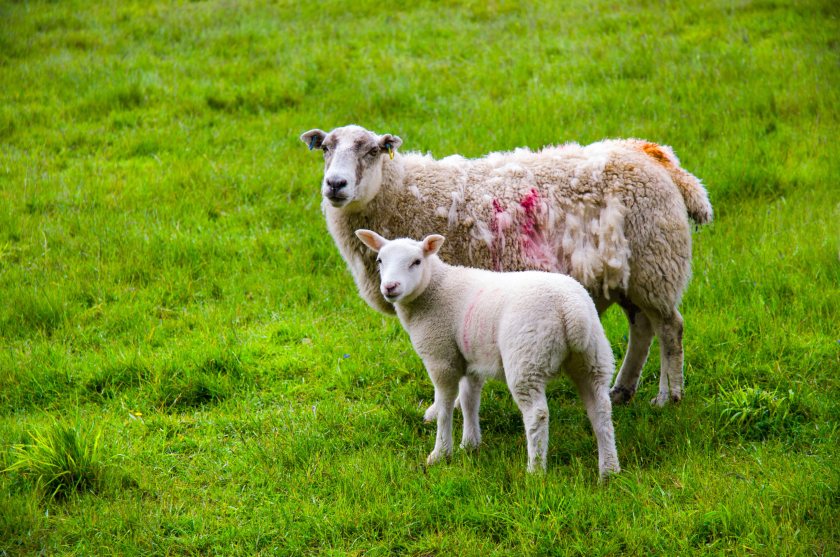
Sheep farmers are being urged to check lamb performance closely after wet weather increased the risk of worm larvae building up on pasture.
Sustainable Control of Parasites in Sheep, known as SCOPS, said recent conditions could raise parasite burdens in lambs across parts of the UK following a period of wet weather after a hot, dry spell.
SCOPS said farmers should combine regular faecal egg counts with daily liveweight gain, lamb condition and general appearance when deciding whether action is needed.
Nerys Wright, technical adviser for SCOPS, said recent weather patterns could create a “perfect storm” for increased worm challenges on pasture.
“Wet weather creates ideal conditions for worm larvae to survive and move up the grass stem, increasing the risk of ingestion by grazing lambs,” she said.
She added that wet conditions could also release larvae from dung pats as they break down, increasing the challenge for grazing lambs.
SCOPS said faecal egg counts remained an important tool for monitoring parasite levels and guiding treatment decisions, but warned that farmers should not rely on test results alone when pasture conditions change quickly.
Ms Wright said there could be a delay of two to three weeks between lambs ingesting larvae and eggs appearing in faeces.
“It is really important to consider how lambs are performing in terms of daily liveweight gains and their general appearance because there can be a delay of two to three weeks between larvae being ingested and eggs appearing in the faeces,” she said.
She said farmers should use their “stockperson’s eye” alongside daily liveweight gain and faecal egg count results.
SCOPS said proactive parasite control did not mean routine blanket treatments. Instead, farmers should combine testing, grazing management, liveweight monitoring and targeted treatments to pick up worm challenges early.
The aim is to protect lamb performance while helping delay the development of wormer resistance.
“By testing regularly and acting early, farmers can avoid performance losses and reduce the need for whole-flock treatments,” Ms Wright said.
She added: “It’s about being strategic and responsive to the conditions on your farm.”
SCOPS also said farmers should remain alert to nematodirus risks in some areas.
Most of the UK is now in the post-hatch phase for nematodirus larvae, but much of Scotland and parts of Northern Ireland are at peak hatch or just after peak hatch, according to the SCOPS Nematodirus Forecast.
This means at-risk lambs born in April and May could face a significant challenge.
In some hill and upland areas of England and Wales, a significant hatch may still occur, particularly at higher altitudes or on north-facing grazing where hatching can be delayed beyond the forecast model’s predictions.
SCOPS said decisions on whether and when to treat for nematodirus should be based on lamb age, pasture contamination and the temperature profile where lambs are grazing.
The group said farmers should continue monitoring lambs closely and use farm-specific conditions to guide parasite control decisions.




