




'Vigilance key' to keeping livestock healthy from Schmallenberg virus
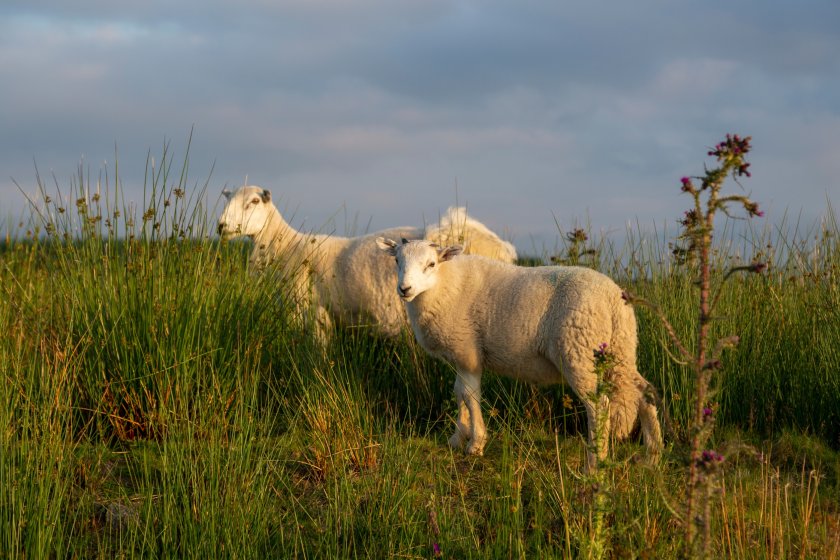
Livestock farmers are being urged to remain vigilant for signs of Schmallenberg virus (SBV) in their flocks and herds as cases continue to rise.
The fresh warning is being issued to the farming industry as cases of SBV in flocks continue to be found.
Hybu Cig Cymru – Meat Promotion Wales (HCC) said more incidences of the virus will likely persist into the lambing season and spring calving herds.
The levy organisation has encouraged farmers across the country to remain vigilant as this is key to keeping flocks and herds healthy.
An insect borne viral disease, SBV is spread by biting midges, affecting all ruminants and camelids.
Symptoms in adult cattle include fever, milk drop and diarrhoea, and can also be the cause of late abortion or birth defects in new born cattle, sheep and goats.
The virus often spreads very quickly – disease can last between 2-7 days, after which immunity is formed. Currently, there is no vaccine available.
Rachael Madeley-Davies, HCC’s head of sustainability, said: “Currently we know that the virus can infect and cause disease in sheep, cattle and goats.
"For herd and flock health we encourage our farmers to remain vigilant and consult their vet if they have any concerns, seeking to test any suspected SBV cases to ensure that other diseases are ruled out.”
Currently, Schmallenberg is not a notifiable virus, meaning that positive cases do not need to be reported to Defra.
The last wave of SBV occurred between 2016-17, where over 200 cases were confirmed across sheep and cattle holdings in Britain.
The NFU has also called for farmers to remain vigilant for signs of disease and report any suspicions to APHA or their private vet.
"Cases of Schmallenberg have been rising across the UK since autumn 2023," the union explained.
"If possible, farms could consider moving the timing of mating until later in the year to avoid the risk of infection."
SBV does not affect humans or food safety; meat and milk from infected animals are also safe to eat and drink.




