




'Bad to worse' as UK harvest drops another million tonnes
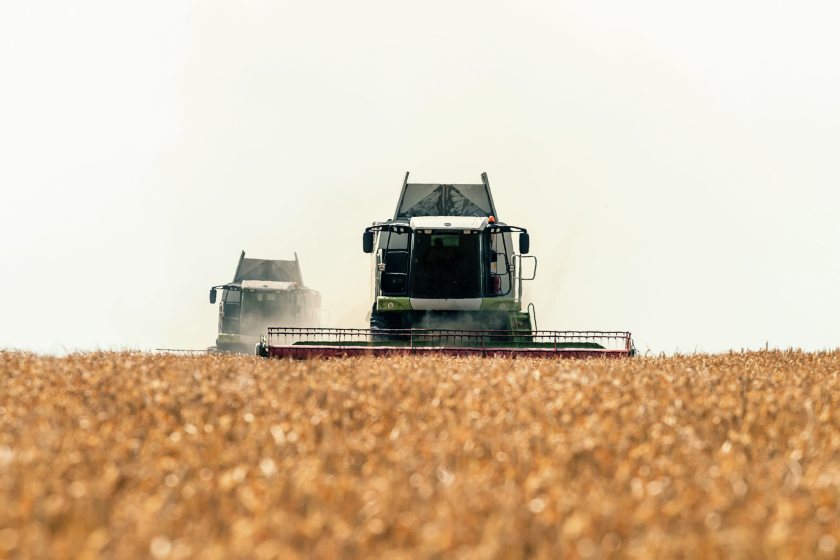
Britain’s arable harvest is set to be one million tonnes smaller than previously feared, with production of key crops now forecast to fall to a record-low 18.5 million tonnes in 2026.
The Agriculture and Horticulture Development Board (AHDB) has cut its previous estimate of 19.5 million tonnes as prolonged dry weather and repeated heatwaves take their toll on crops.
The Energy and Climate Intelligence Unit (ECIU) estimates the downgrade alone could reduce farm revenues by a further £160 million.
That would take the estimated hit against March forecasts to around £550 million, up from an earlier estimate of £390 million based on previous AHDB data.
The value of cereals and oilseeds production is now forecast at £3.64 billion.
Adjusted for inflation, that is around £1.78 billion — or roughly a third — below the average recorded between 2014 and 2023.
The 2025/26 growing season had initially appeared more promising, with yields expected to be around or above the 10-year average.
But a very dry April, followed by heatwaves in May, June, July and August, placed crops under significant stress during key stages of development.
The latest harvest forecast would leave 2026 around 1.35 million tonnes below the previous record-low harvest in 2020.
With around 85% of the wheat harvest complete, the figures also suggest four of the five worst harvests on record could have occurred this decade — in 2020, 2024, 2025 and 2026.
The worsening harvest outlook comes as farmers across England are being offered a £65 million drought support package amid record-dry conditions affecting crop yields, livestock feed and access to water.
The funding will come from within Defra’s existing farming budget, with £50 million added to the Sustainable Farming Incentive and up to £15 million earmarked for on-farm reservoirs.
Around three-quarters of England is in drought, with growers facing poor yields and livestock farmers drawing on winter feed earlier than planned.
More than 1,500 abstraction licence restrictions were also recorded in the week to 12 August.
The support package follows the driest July on record in England and Wales and comes after the prime minister recently chaired a COBR meeting on extreme heat, wildfires and drought.
Chris Jaccarini, food economist at ECIU, said: “The outlook for this year's harvest has gone from bad to worse.”
He added: “Farmers were already facing the prospect of the worst harvest on record, but the latest figures suggest losses will be even greater than first thought.”
ECIU said the difficult conditions have affected farming sectors beyond cereals, including meat and vegetable production.
Jaccarini said: “In just three years, farmers have faced the wettest winter on record, the hottest summer on record, and now what’s on track to be an even hotter summer.”
He said repeated weather extremes were making food production more difficult by reducing yields while many farm costs remained unchanged.
Farmers are already investing in measures designed to improve resilience, including planting more trees to provide shade for livestock, according to ECIU.
But Jaccarini warned there were limits to how far farms could adapt if extreme weather continued to intensify.
He said: “Unless greenhouse gas emissions are cut to net zero, extreme weather will continue to intensify, putting ever increasing pressure on farm businesses, food production and ultimately food prices.”
The revised figures leave the 2026 harvest on course to set a new record low, extending a run in which some of the poorest UK harvests on record have occurred since 2020.




