




Easter lamb prices jump by up to 20% as extreme weather hits farms
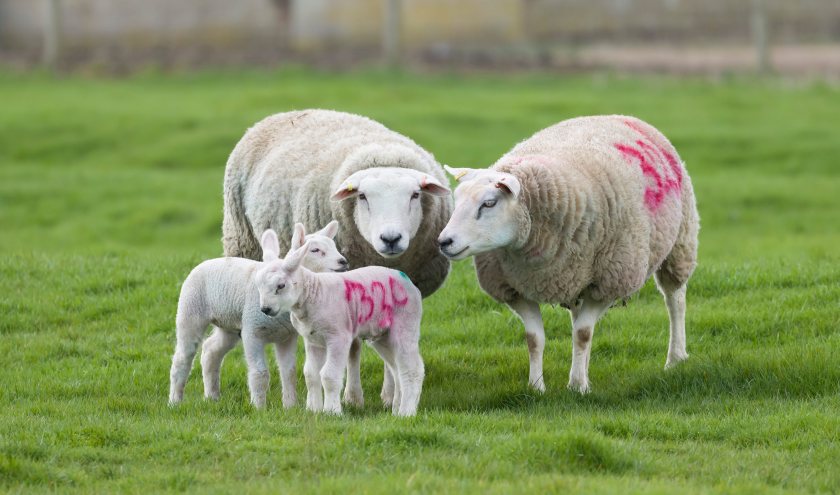
Easter lamb prices have surged by up to a fifth in recent years, with extreme weather driving up costs for both farmers and consumers, new analysis suggests.
For households planning a traditional Easter roast, the impact has been building. A typical 2kg leg of lamb has carried a “climate premium” each year since 2023, adding up to £168 in extra costs over the past three years for the UK’s 2.6 million households that regularly eat lamb.
Figures from Zero Carbon Analytics for the Energy and Climate Intelligence Unit (ECIU) indicate that successive weather extremes since 2022 have pushed prices up by between 7% and 21% at different points.
Chris Jaccarini, land, food and farming analyst at the ECIU, said the effects are now being felt at the dinner table.
“As families and communities sit down to celebrate this Easter, the cost of climate change is hitting home,” he said.
“Lamb prices are through the roof after droughts, extreme heat and heavy rainfall have hit farmers' costs of production, weakening grass growth and not allowing the depleted hay stores they depend on time to recover.”
Weather volatility is increasingly shaping conditions on farm, with producers across the UK facing a mix of extremes.
Sheep farmer Jack Cockburn, based in Ceredigion, said recent seasons have brought persistent challenges.
“Here in West Wales, extreme weather is our biggest challenge,” he said.
“We've had two very wet winters in a row, which has meant poor grass growth due to waterlogged soils and low light levels with the very cloudy conditions.”
He said this has had a direct impact on output.
“This has meant lambs going to the abattoir at lighter weights and less meat per animal,” he added.
The data suggests different weather events have had varying effects on prices.
The 2022 drought pushed farmgate prices up by around 11%, largely due to reduced grass growth and feed availability.
This was followed by the exceptionally wet winter of 2023/24, which had the biggest impact, increasing prices by around 25% as waterlogged conditions limited productivity.
More recent dry conditions in 2025 added a further 13%, again driven by pressure on pasture and forage supplies.
These increases have fed through to consumers. The wet winter alone added around £5 to the cost of a lamb roast at Easter 2024, rising to around £7 the following year.
However, market factors and wider supply pressures can also influence prices alongside weather conditions.
Mr Cockburn said conditions vary across the country, with some areas affected by prolonged dry spells while others struggle with excess rainfall.
“To mitigate this, we now keep fewer sheep as that makes it easier to maintain good-quality pasture by adopting nature-friendly grazing practices and rotating them around,” he said.
He also called for greater support for domestic food production.
“To ensure a consistent food supply, the government needs to invest heavily in nature-friendly farming practices and improving homegrown production… We cannot just keep increasing our reliance for food imports on countries worse hit by climate change than we are.”
The findings come as wider concerns grow about the impact of extreme weather on food production, with beef and dairy also affected by similar pressures.
Sofie Jenkinson, co-director of Round Our Way, said rising costs are being felt across the supply chain.
“We regularly speak to people who are noticing and struggling with the rising costs of food and scarcity of produce… the extreme weather we are seeing in the UK is impacting dinner plates across the country,” she said.
She added that the effects are being felt both in everyday shopping and during key occasions.
“This is happening day-to-day, week-to-week for families… but also affecting moments of celebration too, where families get together, like Easter.”
The pressure is not limited to meat, with the price of Easter eggs also rising sharply in recent years due to weather-related disruption to cocoa production.
The findings underline growing concerns about how extreme weather is affecting UK food production and the long-term affordability of staple foods.




