




Extreme weather costing arable farmers billions, AHDB warns
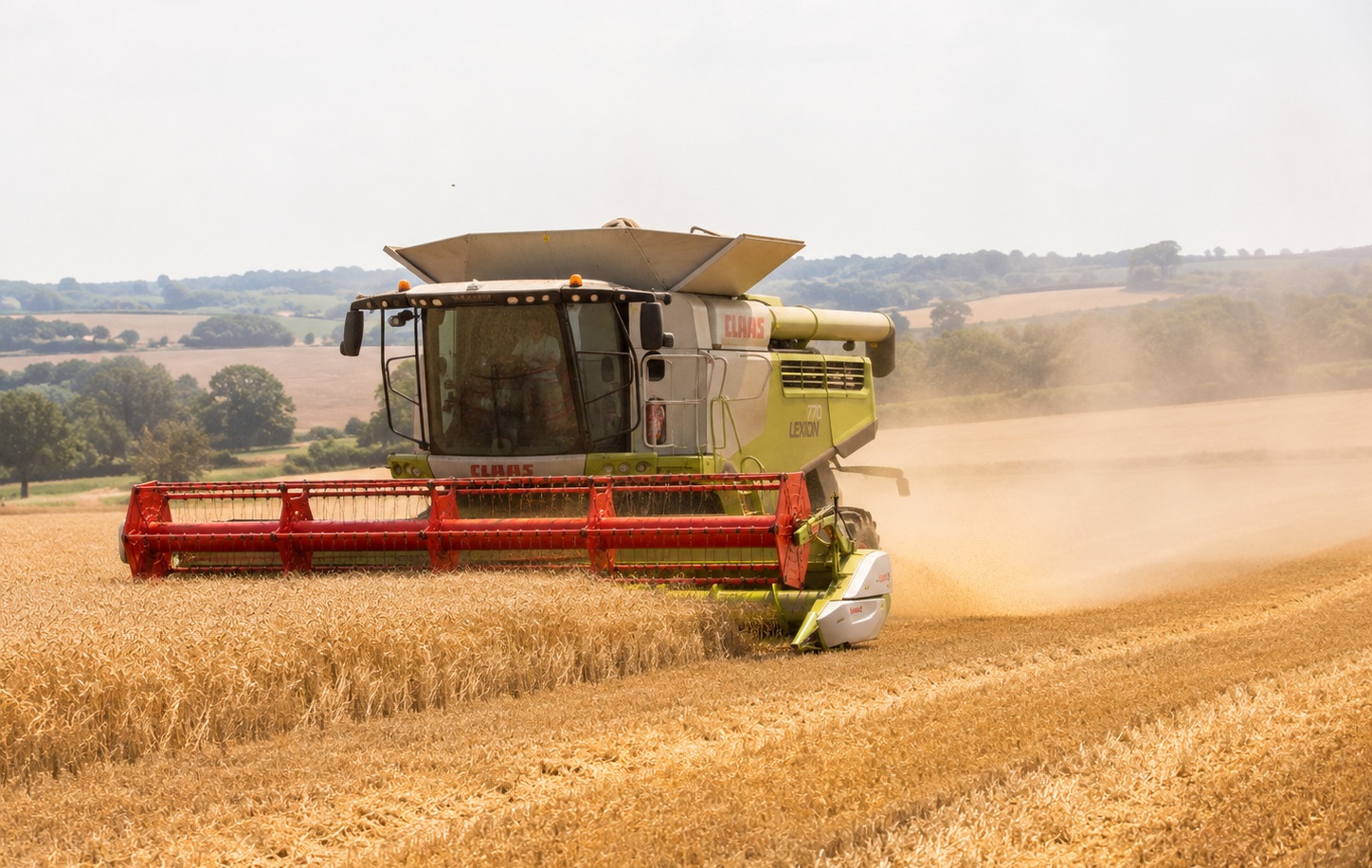
Extreme weather is already costing UK arable farmers billions of pounds, with climate change disrupting crop production, drilling windows and farm profitability, AHDB has warned.
Laura Underdown, AHDB Senior Knowledge Transfer Manager – Cereals & Oilseeds, said climate change was already affecting UK cereals and oilseeds, with growers facing more volatile weather and shifting pest and disease pressures.
The warning follows analysis from the Energy & Climate Intelligence Unit, which estimated that poor harvests in 2024 and 2025 wiped out production equivalent to 13% of England’s wheat, barley and oat area.
The analysis considered both crop yields and planted areas, while the ECIU also estimated that three poor UK harvests this decade resulted in a cumulative weather-related loss of £2.3bn across cereals and oilseed rape.
Those harvests were linked to extreme rainfall in 2020 and 2024, and extreme heat and drought in 2025.
Wet conditions disrupted autumn drilling, establishment and crop growth, particularly where land remained waterlogged.
In 2025, drought contributed to estimated average production revenue across crops falling by 19% compared with long-term UK averages, although difficult seasons can still produce mixed results.
Some winter oilseed rape crops performed strongly in 2025, contributing to an overall average yield of 3.7 tonnes per hectare, although the planted area was relatively small.
However, drought led to significant variation in yields across the UK, while a storm caused some seed losses in the field.
While exact climate-related loss figures can be debated, AHDB said extreme weather was clearly affecting both production and farm profitability.
The warning comes after the UK experienced its third warmest spring on record, while England and Wales recorded their warmest spring.
A May temperature of 35.1C was also recorded at Kew Gardens in London, making it the hottest May-day temperature on record.
The Met Office also issued a red warning for extreme heat, with forecasts suggesting the record for the hottest June day could be broken.
The UK’s highest-ever temperature, 40.3C, was recorded in Lincolnshire in July 2022.
“In our changing climate, we should not be surprised to see weather records broken,” Underdown said in her analysis.
Growers should prepare for greater heat extremes, warmer and wetter autumns and winters, drier springs and summers, more intense rainfall and shifting pest and disease pressures.
To help farmers prepare, AHDB has released climate resilience on-farm action planners designed to help businesses assess their exposure to climate risks and develop practical, proportionate responses.
AHDB described the resources as “simple and practical”, adding that they would not place unnecessary burden on businesses already under pressure.
Available for cereals and oilseeds, as well as livestock enterprises, the planners cover six key climate hazards: high summer temperatures and heat extremes, drier springs and summers, changing winter temperatures, wetter autumns and winters, storms and wind, and rising sea levels for coastal and low-lying land.
Farmers can use the tools to assess their exposure and vulnerabilities, identify what they are already doing well, prioritise risks using a scoring sheet and build short, medium and long-term action plans.
Growers are also being urged to invest in more resilient production systems to help crops withstand future weather shocks.
Options include diversifying rotations, growing more drought-tolerant crops and varieties, improving soil and water management, and monitoring changing pest and disease threats.
Warmer temperatures could create opportunities for new crops in some regions, but milder winters may also favour the survival of pests and pathogens.
Farmers are already seeing changes in the timing, severity and spread of threats including cabbage stem flea beetle, septoria tritici and aphid-spread Barley yellow dwarf virus.
New insect, weed and disease threats are also likely to emerge, meaning integrated pest management strategies will need to keep adapting.
The warning comes as the NFU has also called for urgent government action to help farmers withstand worsening droughts, floods and water shortages, as the UK marks 50 years since the 1976 drought.
The union said food production depended on reliable access to water and urged ministers to make it easier for farms to build water storage.
It is also calling for investment in water efficiency and more resilient growing systems to help farmers adapt to increasingly extreme weather.
AHDB said building resilience would require action on farm, as well as longer-term policy certainty and continued investment in crop research, breeding, climate advice, water storage and soil health.
Grants and schemes are also available to help farmers and landowners prepare for future climate risks.




