




Farmers told to act now as blowfly emergence forecast goes live
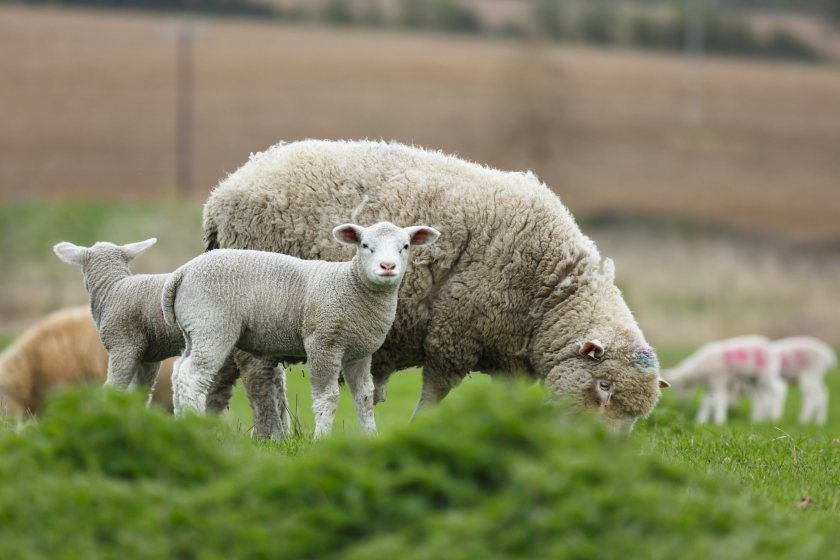
Sheep farmers are being urged to act now to reduce flystrike risk, as a new blowfly emergence forecast goes live across the UK.
The Sustainable Control of Parasites in Sheep (SCOPS) has launched the early warning system to help farmers take a more proactive approach, offering guidance to support flock management decisions and reduce the likelihood of flystrike as temperatures begin to rise this spring.
The forecast, available from Monday 13 April, uses weather data from more than 140 stations nationwide to predict when blowflies are likely to emerge.
SCOPS chair Kevin Harrison said early action is critical. “Prevention is always better than cure when it comes to flystrike,” he said, warning that once cases occur, the impact on “sheep welfare and productivity can be severe”.
He added that having “an accurate indication of when blowflies are first emerging in spring” allows farmers to act in good time with preventative measures.
The system operates separately from the SCOPS Nematodirus forecast but draws on the same high-quality weather data to provide location-specific guidance.
Blowflies typically overwinter as pupae in the soil before emerging in spring, but increasingly unpredictable weather patterns have made it harder to rely on traditional calendar-based treatment timings.
The forecast uses a colour-coded system, from grey indicating low risk through to red, when flies are actively emerging.
Once an area reaches red, it will remain at that level for the rest of the season, reflecting the continued presence of flies capable of causing strike.
SCOPS stressed that the model indicates emergence risk rather than confirmed cases, with outbreaks depending on farm-specific factors such as weather, fleece condition and grazing environment.
Farmers are advised to use the forecast to time closer flock inspections and consider preventative treatments where necessary.
Farmers, vets and SQPs are also being encouraged to report confirmed cases via the Elanco system, helping build a clearer national picture and improve forecast accuracy.
The model has been developed by researchers at Queen’s University Belfast, with input from specialists in blowfly biology and support from Elanco.
SCOPS said the forecast should be used alongside regular flock checks, effective management and targeted treatments to help protect flock health and reduce the risk of costly flystrike cases.




