




Farmers warned: vaccinate now or face bluetongue fertility losses
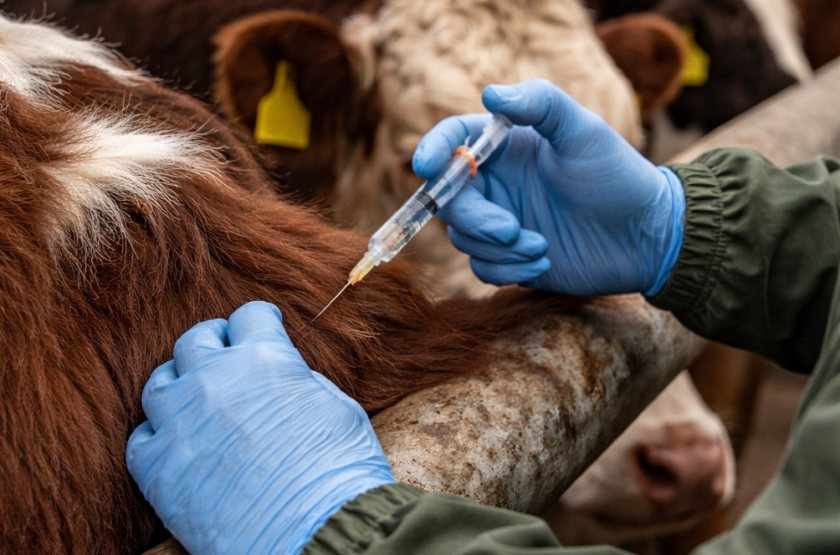
Farmers are being urged to act now and vaccinate cattle against bluetongue before the full impact of the disease hits herds later this year.
Industry leaders and government vets have issued a stark warning as cases continue to rise across England and Wales, with fertility problems expected to emerge months after infection.
The call came during a briefing led by the National Beef Association (NBA) and Ruminant Health and Welfare, part of the AHDB-backed Battle Bluetongue campaign.
Defra has confirmed 320 cases since 1 July last year, but industry figures believe the true scale could be far higher due to under-reporting.
NBA chief executive Neil Shand said early signs from the spring calving season were already deeply concerning.
“From what we are seeing in England and a little bit in Wales… there are higher levels of abortions and dummy calves,” he said.
Some calves are being born with severe deformities, including “partial brains or, in some cases, no brain at all”, highlighting the serious reproductive impact of the virus.
Mr Shand said cases were widespread, but pointed to a clear difference in areas where vaccination had been taken up more widely.
“We are seeing very little in the eastern counties where there would have been a relatively high uptake of the vaccine last year because they were in the restriction zone,” he said.
With livestock values remaining high, he stressed the need for immediate preventative action.
“With the value of livestock currently, it’s a no brainer to protect cattle against bluetongue and the best way to do this is vaccination.”
UK Chief Veterinary Officer Dr Christine Middlemiss said farmers must act before problems become visible, warning that the most damaging effects are delayed.
“The clinical sign you have not yet seen in your cattle is the reproductive one,” she said.
“It is going to come some months down the line… so you have got to be thinking ahead before bulling to give the right protection.”
She urged farmers to take advantage of current conditions while cattle are still housed.
“Think about vaccination now while you can still handle the cattle and they are inside,” Dr Middlemiss said.
Farmers are also being advised to plan carefully for breeding, with bulls and tups vaccinated in advance and semen tested six to eight weeks later to ensure fertility remains optimal.
Mr Shand warned that many cases may be going unreported, masking the true extent of the outbreak.
“The official Defra statistics could just be a fraction of the true picture,” he said.
Bluetongue is a notifiable disease, and any suspected case must be reported immediately. Failure to do so is a criminal offence.




