




Growers sound alarm over 5p Christmas veg deals in supermarkets
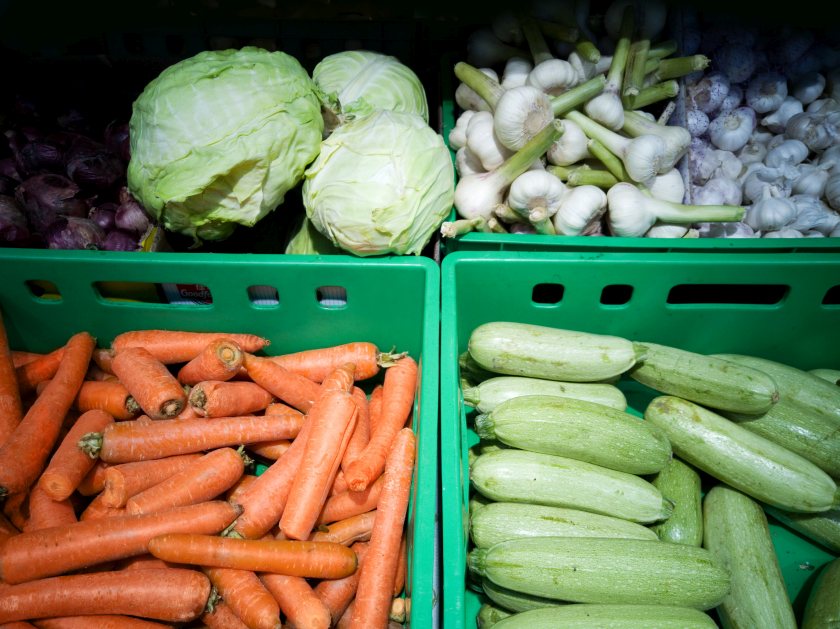
UK supermarkets selling Christmas dinner vegetables for as little as 5p a bag have been warned that deep festive discounting risks undermining domestic food production, as NFU Scotland calls for an end to aggressive price cutting.
Several major retailers have sharply reduced the price of staple Christmas vegetables in recent weeks. Morrisons, Aldi and Lidl have all cut the cost of key festive produce to 5p per item, extending a trend seen in previous years when discounting intensified during the Christmas period.
Aldi and Lidl led similar promotions last year, while Morrisons confirmed that until 26 December, loyalty card customers can buy a range of vegetables — including carrots, parsnips, Brussels sprouts and swedes — at the heavily reduced price.
The union has written to major food retailers across the UK calling for an end to deep price cutting on key food products, particularly vegetables, during the Christmas period.
In its letter, NFU Scotland said aggressive promotions risk devaluing food, setting unrealistic expectations for consumers and weakening the long-term sustainability of domestic production.
Alongside concerns over pricing, NFU Scotland highlighted evidence from its ShelfWatch initiative, which continues to show a heavy reliance on imported vegetables across many major supermarkets.
The union said this raises wider questions about food security and supply chain resilience, particularly when British produce is available.
NFU Scotland also reiterated its support for the timely rollout of Fair Dealing Obligations under the Agriculture Act 2020, arguing that future legislation must protect good practice and ensure promotional pricing agreements are fair, transparent and equitable across the supply chain.
NFU Scotland president Andrew Connon said artificially low prices were damaging for producers and consumers alike. “Artificially low prices are not sustainable for any element of the supply chain,” he said.
“Aggressive discounting devalues food, contributes to waste, and widens the disconnect between consumers and the realities of food production.”
He warned that horticulture businesses were especially exposed. “Horticulture production costs are particularly high, and while promotions can sometimes be used to help manage supply, it is essential that processes and subsequent agreements are fair and transparent,” he said.
Connon added that NFU Scotland was urging retailers to adopt pricing strategies that “reflect the true value of food, support fair pricing across the supply chain, and champion domestic production”.
The union said ShelfWatch data has strengthened its engagement with retailers, enabling it to challenge sourcing decisions, press for stronger commitments to British produce and improve transparency for consumers.
This has included more direct dialogue with supermarkets, including visits to retailer headquarters to meet senior representatives and advocate for fairer treatment of producers.
While NFU Scotland acknowledged that progress has been made during 2025 in building a more sustainable food supply chain, it warned that continued reliance on aggressive festive discounting risks undoing those gains.
The union said retailers now face a choice between supporting domestic production or continuing practices that could weaken grower confidence and long-term food resilience.




