




Jeremy Clarkson warns tax changes could still undermine farm viability
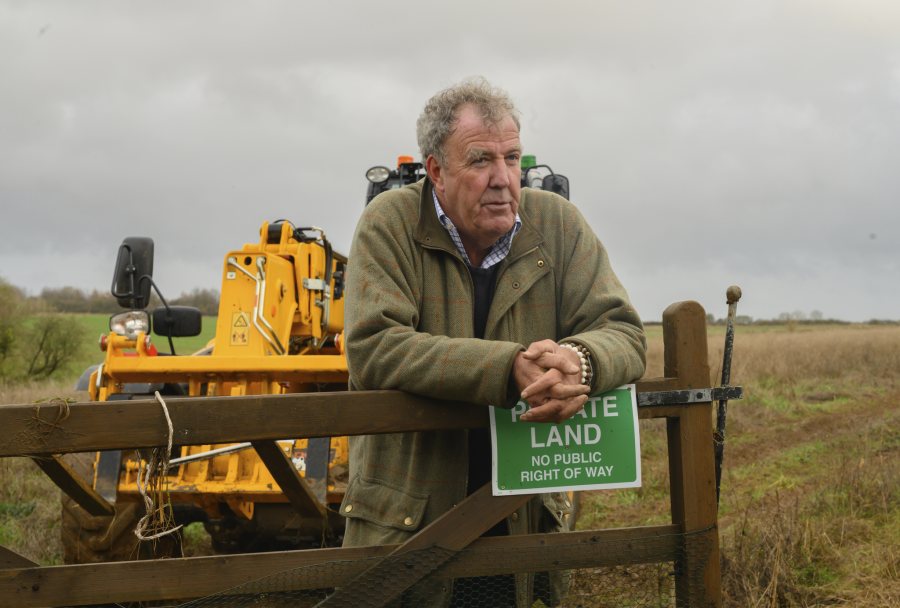
Farm businesses could struggle to remain viable under rising costs and tax pressures, according to Jeremy Clarkson, who has warned his own operation would fall into loss if forced to sell land.
The broadcaster and farmer has warned that current policy direction risks undermining family-run farms, restating his opposition to Labour’s inheritance tax proposals and highlighting the financial fragility of agricultural businesses.
Clarkson, 65, runs Diddly Squat Farm in the Cotswolds and has been a vocal critic of earlier plans outlined by Chancellor Rachel Reeves to apply inheritance tax to agricultural land.
Those proposals triggered widespread concern across the farming sector, with farmers warning that taxing farm assets could force land sales, reduce farm scale and disrupt generational handovers.
Although the government later amended the plans in December 2025 by raising the threshold at which estates would be taxed, uncertainty remains over how future succession and land transfers will be treated.
Writing in a recent Sunday Times column, Clarkson described the financial reality facing many farms when ownership passes from one generation to the next.
“One day, of course, his dad will die, and if the farm is medium-sized, thanks to the Labourites, he will have to pay inheritance tax,” he wrote.
He said selling land would often be the only way to meet the bill, with serious implications for farm viability.
“And the only way he’ll be able to afford to do that is sell a portion of the farm. Which would make it completely unviable,” he said.
Clarkson added that even large holdings are operating on tight margins.
“I have a thousand acres at Diddly Squat and even a farm that big does not make money,” he wrote. “If I had to sell a third of it to pay Rachel Reeves, it would stop breaking even and make a loss.”
For farmers, the issue goes beyond individual businesses. The debate has renewed focus on succession planning, land values and how farms can remain financially viable while passing assets between generations without eroding scale or productivity.
Clarkson also pointed to rising costs facing rural hospitality businesses, which he said reflect the wider pressures on the countryside economy.
He owns The Farmer’s Dog pub and said it faces similar challenges to those highlighted by Michelin-starred chef Tom Kerridge, who recently warned that business rates on his restaurant in Marlow were set to rise sharply.
“At my pub, the Farmer’s Dog, things aren’t quite that bleak but they’re still pretty terrible,” Clarkson wrote.
“The rateable value would shoot up from £27,250 to £55,000 and when you factor in the national insurance rise, which has upped our wage bill by £42,000 a year, we’d be up a gum tree.”
Clarkson’s comments echo wider concerns from farmers and rural business owners about the cumulative impact of tax changes, labour costs and operating expenses.
As policy discussions continue, farmers say clarity will be crucial to allow businesses to plan for the long term, protect family farms and avoid decisions that could permanently reduce productive land.




