




Log on to keep up to date with Sclerotinia progress in carrots
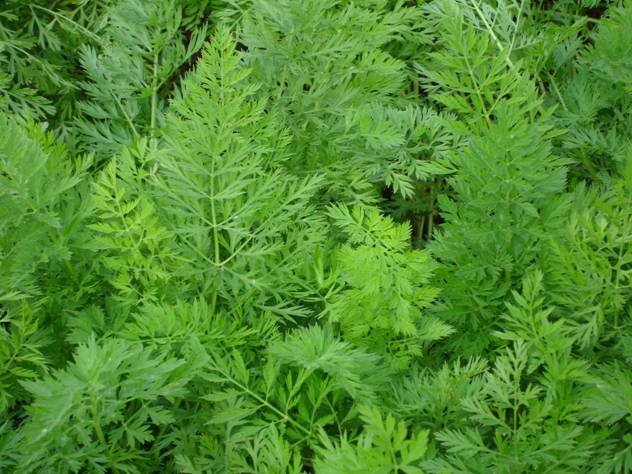
The BASF and ADAS sponsored Sclerotinia monitoring system for carrot growers has just started and growers and advisors are invited to log on each week to the Carrot Sclerotinia Monitoring link on www.agriCentre.basf.co.uk in order to assess disease risk and plan an effective preventative control programme.
Dr. Peter Gladders from ADAS Boxworth explains that carrot crops are vulnerable to infection by Sclerotinia from June through to October, which is when the resting bodies or sclerotia can germinate. "The sclerotia germinate when the soil is moist with the optimum temperature being 15°C. The fungus invades diseased, senescing or decaying leaves of the carrot crop, particularly those in contact with the soil. Roots are infected via the leaf petioles and through the crown."
The ADAS/BASF Sclerotinia monitoring system monitors patterns of germination each week and indicates the extent of disease risk and the need for fungicide treatment. "Growers should keep checking the published information on the AgriCentre web site and be ready to take the right action at the right time," Dr. Gladders advises.
"Carrot growers have been starting their fungicide applications earlier. Timing of the first fungicide in the programme is critical and must be before the canopy closes over. Once Sclerotinia is in the crop it is almost impossible to get rid of it. Currently the most advanced main crop carrots are at the 4-leaf stage, but with later sown crops yet to emerge and most showing low ground cover only. Recent heavy rain combined with irrigation could see further germination and hence a response may be needed in crops sown in April or early May in the next 3-4 weeks."
Robert Storer, Field Vegetable Product Manager for BASF, agrees that timing is key to the successful prevention of Sclerotinia in carrots. "Signum is a protectant fungicide and it should be placed at the base of the plant where infection starts and where old leaves come into contact with the ground. The first Signum spray should be applied before the crop canopy has closed over and the ground is still visible. A closed canopy not only creates the right conditions for further infection, but shields the base of the plant from fungicide sprays."
Nigel MacDonald, Horticultural Consultant for ADAS, concurs that Signum is best used early in the programme, not just for effectiveness but also for good stewardship. "Signum is an excellent material with good efficacy and growers are advised to ensure good application techniques which get the fungicide around the carrot crown and lower leaves. Early application before the disease is seen maximises control and minimises residues."
Mr. MacDonald also advises growers to carry out a risk assessment for Sclerotinia. "High risk factors include a history of this disease on the farm. Sclerotinia attacks carrots and also peas, beans, potatoes, field vegetables and oilseed rape. If you have had a problem with this disease in other susceptible crops on the farm and in particular in that field, risk will be high. Other high risk factors to be aware of are crops with large and vigorous canopies, crops that lodge, when rainfall is above average or if the crop is irrigated."
"Signum is fully approved in carrots and provides broad spectrum disease control of Sclerotinia, Alternaria and Powdery Mildew. Trials data show that Signum also gives good control of diseases responsible for the loss of yield and quality in carrots such as Cercospora, Black Liquorice Rot and Acrothesium," says BASF’s Rob Storer.
He reports that trials and commercial usage show that it is an effective option. "In ADAS trials Signum gave 58% control of Sclerotinia, compared with just 5% for azoxystrobin and 28% for tebuconazole. For Alternaria, Signum also gave the highest level of control, reducing infection levels to 19% from 55% in the untreated, with azoxystrobin reducing infection down to 30% and tebuconazole to 28%. For Powdery Mildew Signum reduced this to just 3% infection from 62% in the untreated, compared with both azoxystrobin and difenoconazole resulting in 10% infection."
Background Notes – A protectant and systemic fungicide, Signum contains 267g/kg boscalid and 67g/kg pyraclostrobin, formulated as a water dispersible granule. It is recommended in carrots as a protectant spray or at the first signs of disease for the control of Sclerotinia, Alternaria and Powdery Mildew at a dose rate of 0.75 to 1 kg/ha in 200-900 litres of water. Two applications can be made to the crop. It is subject to LERAP B and has a harvest interval of 14 days in carrots. It should be alternated in a programme with other fungicides with an alternative mode of action as part of an anti-resistance strategy.
For further comment and information please contact Robert Storer, BASF on 0161 488 5731 or 07768 464037 (mobile)




