




NFU Scotland backs government opposition to lynx reintroduction
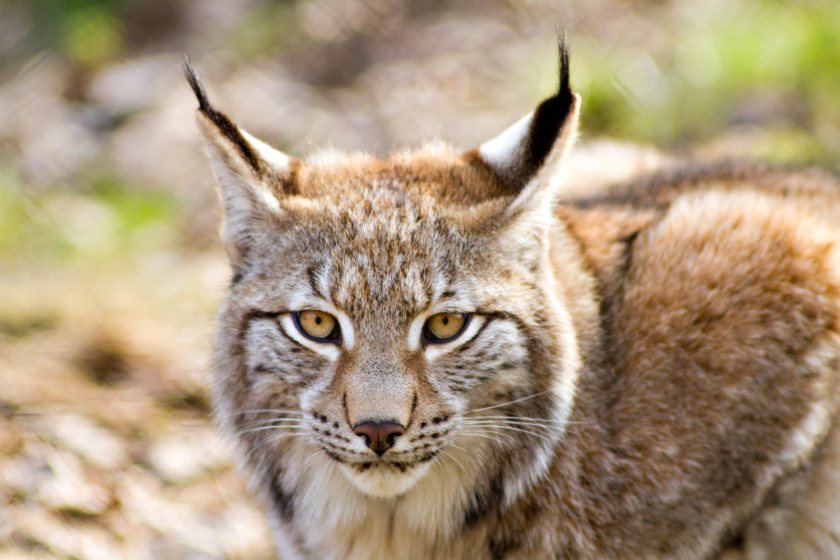
NFU Scotland has backed the Scottish government’s opposition to the reintroduction of lynx amid renewed debate over bringing large carnivores back to Scotland, warning the move would pose unacceptable risks to livestock and farms.
The union said proposals to reintroduce lynx or other large predators were wholly unacceptable to farmers and crofters, stressing that its position was firm from the outset.
The issue has re-emerged as a group of rewilding charities promote the potential ecological and environmental benefits of restoring lynx to parts of Scotland.
Under existing rules, any reintroduction would require a licence from NatureScot, with applicants expected to set out how risks to livestock, communities and the wider environment would be managed.
However, the Scottish government has said it does not intend to allow the reintroduction of lynx or other “large carnivores” in the foreseeable future.
Public debate on the issue is set to intensify, with more than 40 engagement events planned across the Highlands and Moray, beginning on Monday (26 January).
NFU Scotland warned there were still major unanswered questions around livestock predation, animal welfare, wider unintended consequences and, critically, who would bear responsibility and cost if things went wrong.
While recognising the importance of public discussion and engagement, NFU Scotland said farmers were deeply concerned about the practical realities of introducing a large predator into landscapes where it has been absent for centuries.
The union said Scotland's farms already operate in some of the most challenging conditions in Europe, while producing high-quality food, delivering environmental benefits and sustaining rural economies.
Claims that lynx would pose little threat to livestock were also challenged. Although they are often described as primarily preying on roe deer, NFU Scotland said this behaviour could not be guaranteed in Scotland.
Many sheep grazing areas include woodland, shelter belts and scrub, which sheep rely on for shelter from the elements but which could also provide cover for ambush predators.
Unlike in parts of mainland Europe, Scotland’s sheep systems are highly extensive, with animals spread across large areas rather than kept in smaller groups or brought into secure enclosures overnight.
The union said there was insufficient evidence to predict how lynx would behave in these conditions, meaning the risks to livestock producers and animal welfare remained significant.
Supporters of reintroduction argue that lynx could bring ecological benefits, but NFU Scotland said such claims did not reflect the realities of Scotland’s livestock systems.
The union pointed to past experience with other species to underline its concerns, citing the reintroduction of sea eagles as an example of how predator behaviour can vary depending on origin and experience.
It said captive-bred birds released in Scotland lacked natural hunting experience, which is believed to have contributed to impacts on lambs, highlighting the unpredictability that could also surround any potential lynx release.
As consultation events take place, NFU Scotland has urged farmers and crofters to make their voices heard. The union said its stance was “clear and unequivocal: reintroduction must not proceed”.
It added that discussions around compensation did not alter its position, arguing that any credible scheme would need to cover worst-case scenarios, operate indefinitely for as long as lynx remained in Scotland, and fully reflect the real costs to farm businesses and animal welfare.
NFU Scotland said such guarantees would be extremely difficult for any government to deliver and reinforced why reintroduction was the wrong approach.
The union said the focus should remain on supporting those who live and work on the land, rather than introducing new and unnecessary risks that could upset the balance between food production, biodiversity and rural livelihoods.
NFU Scotland said it would continue to engage constructively with the Scottish Government and other stakeholders, while continuing to oppose any move towards the reintroduction of lynx in Scotland.




