




Rare breeds charity urges stronger support for small abattoirs
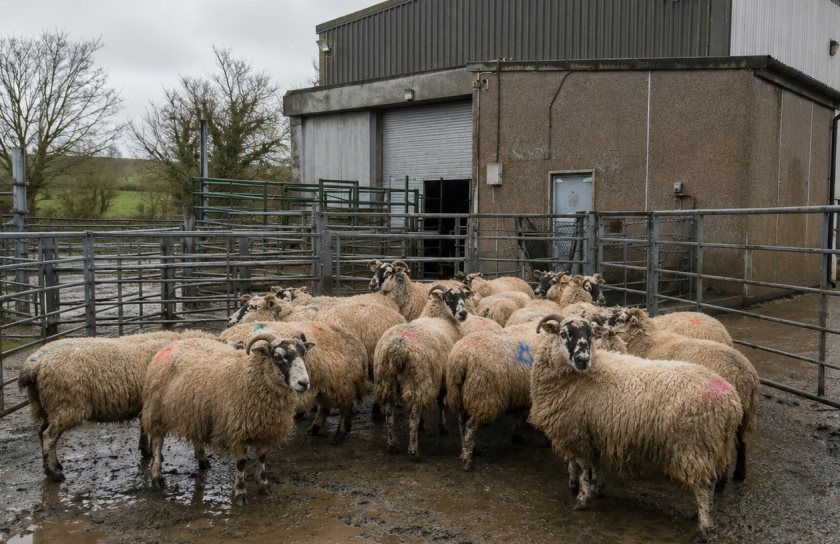
Small and medium-sized abattoirs could lose vital support under proposed meat inspection charge reforms, the Rare Breeds Survival Trust has warned.
The charity has welcomed plans by the Food Standards Agency to reform the discount system applied to meat inspection charges in England, Wales and Northern Ireland.
However, it said the proposals must go further to protect the local abattoir network that many livestock farmers rely on.
Small local abattoirs are important for farmers because they provide shorter journeys, flexible services and access for rare and native breeds, while also supporting shorter supply chains and resilient local livestock systems.
The FSA consultation, which closes on 12 June, proposes replacing the current banded discount system with a new model based on throughput.
This would use livestock units, known as LSUs, or animal numbers to determine whether abattoirs qualify for financial help and how much they receive.
The current system provides different levels of discount on official control charges, with smaller abattoirs receiving proportionately greater support.
RBST said it agreed that throughput would provide a more transparent and predictable basis for deciding eligibility.
However, the charity said the proposed cut-off for automatic support was too low.
Under the FSA’s model, the smallest abattoirs would continue to receive maximum assistance, with financial backing then tapering down before automatic relief is removed once a business passes 5,000 LSUs.
RBST said that threshold should be increased to 10,000 LSUs.
It said the higher limit would allow more small and medium-sized abattoirs to benefit and would better reflect the point at which businesses can absorb regulatory costs without disproportionate impact.
Christopher Price, chief executive of the Rare Breeds Survival Trust, said small local abattoirs were essential to livestock farming.
He said: “A thriving network of small, local abattoirs, capable of handling low volumes and a diverse range of breeds, is fundamental to a sustainable and resilient livestock sector.
“These businesses face significant regulatory and operational pressures, and RBST supports a reform of the current discount system that maintains strong support for smaller abattoirs.
“However the proposed threshold of 5,000 LSUs for removal of all automatic support is too low and will abruptly cut this important support from many small and medium-sized abattoirs.
“A higher threshold of 10,000 LSUs would create a more sensible taper and enable more small and medium sized abattoirs to benefit from the system.”
RBST has long warned that the decline of small abattoirs creates challenges for farmers who need local, flexible slaughter services.
The charity said any new support model must recognise the role these businesses play in handling low volumes, diverse breeds and specialist livestock systems.
In June 2025, RBST welcomed an FSA decision to retain discounts on official control charges for smaller abattoirs, following the agency’s 2024 call for evidence on its charging structure for official controls in abattoirs.
RBST said the latest consultation was a positive step, but warned that the final model must provide enough financial backing for a wider network of small and medium-sized abattoirs.
The charity said a higher threshold would help maintain local slaughter capacity, support livestock farmers, protect rare breeds and strengthen shorter supply chains.




