




Scientists develop promising vaccine system targeting pig coronaviruses
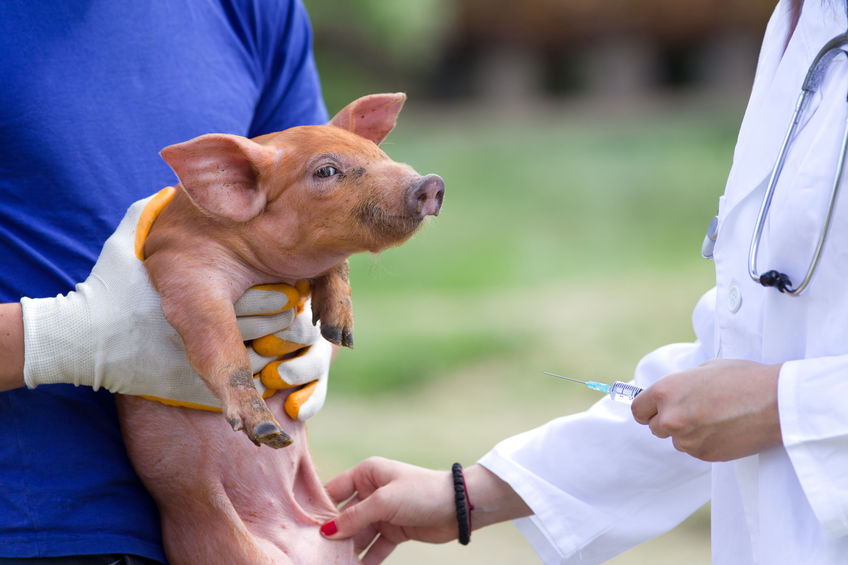
Scientists say a new vaccine platform could help protect pigs against multiple coronaviruses while also supporting efforts to prevent future animal-to-human disease outbreaks.
Researchers at The Pirbright Institute and biotechnology company SpyBiotech have tested an experimental vaccine system designed to tackle respiratory coronaviruses in pigs, with results showing strong protection against infection and lung damage.
The findings, published in the journal Vaccine, come as scientists continue to monitor the risk posed by emerging coronaviruses following the COVID-19 pandemic.
There are currently no licensed vaccines for several major pig coronaviruses, including Porcine Hemagglutinating Encephalomyelitis Virus and Porcine Deltacoronavirus.
Pig coronaviruses can cause serious health and productivity problems in livestock systems, creating significant welfare and economic challenges for producers. Scientists also closely monitor the diseases because some strains have the potential to spread between animals and humans.
The research team used a natural pig model of respiratory coronavirus infection to test what they described as a next-generation vaccine approach.
The system uses an engineered virus to safely deliver vaccine material into cells and is enhanced using a molecular “superglue” system that attaches coronavirus proteins to the surface of the vaccine particle.
Vaccines targeting key coronavirus proteins significantly reduced viral load and almost eliminated lung damage in infected pigs.
Researchers found immune responses improved further when vaccine particles were “decorated” with an additional spike protein fragment known as the receptor-binding domain.
Animals receiving the enhanced vaccine produced stronger immune responses in both blood and lung samples, while researchers also observed signs of reduced viral shedding from the upper respiratory tract.
Scientists said this suggested the vaccine could potentially help reduce transmission as well as protect against disease.
Recognising the wide range of coronaviruses affecting pigs, researchers also tested a “cocktail” vaccine combining three separate adenovirus constructs targeting different porcine coronaviruses.
The multivalent approach generated strong antibody responses against all targeted viruses, raising hopes the technology could provide broader protection across the livestock sector.
Professor Elma Tchilian, group leader in mucosal immunology at Pirbright and lead researcher on the project, said the study highlighted the value of pigs as a natural model for studying respiratory coronavirus infections.
“Our study highlights the value of the pig as a large, natural host model for studying respiratory coronavirus infections and testing vaccine strategies,” she said.
Tchilian said the findings could also help inform future vaccines for emerging human coronaviruses and improve understanding of viral evolution and immune escape.
Dr Matthew Dicks, group leader at SpyBiotech and co-lead author of the study, said the vaccine system had shown encouraging levels of protective immunity in a large animal model.
“We were particularly encouraged by the reduced viral burden observed in the upper respiratory tract, suggesting the platform could support efforts to reduce transmission of respiratory pathogens,” he said.
SpyBiotech, which was spun out of the University of Oxford in 2017, develops vaccine technologies targeting infectious diseases, cancer and chronic illnesses using its proprietary protein “superglue” technology.
Researchers believe the technology could eventually help farmers better protect pig herds against emerging respiratory diseases while also improving preparedness for future outbreaks.




