




BCPC attacks anti-GM wheat stance
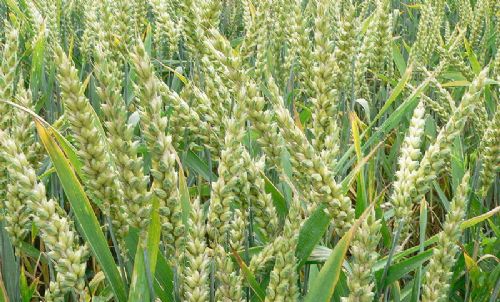
An anti-GM lobby group has asserted that the Rothamsted GM wheat trial poses a ’contamination’ threat to the local environment and wheat industry.
Rothamsted scientists have responded with an open letter containing a science-based case for the experiment, and proposing dialogue with the activists on 27 May as a more democratic and constructive alternative.
"BCPC considers that the illegal actions of the type proposed by the lobby group are an ’unjustified attack’ on an experiment which has been researched and controlled" said Dr. Colin Ruscoe, Chairman of BCPC.
"It is also a general attack on scientific advances aiming to meet one of the world’s biggest challenges - providing safe and nutritious food for a growing global population, whilst reducing the environmental impact of production."
The Rothamsted letter properly refutes a number of the arguments emphasizing that the insect repellent substance in the GM wheat is toxicologically innocuous, being present in over 400 species of plants, many of which are consumed daily as food or drink.
Furthermore, Rothamsted has taken numerous measures to contain the experiment to prevent escape of genetic material, measures approved by the Government’s Advisory Committee on Releases to the Environment (ACRE).
Wheat is a self-pollinating plant, the pollen is heavy, so travels only a short distance and it is short-lived and the experiment involves using extensive ’trap crops’ and herbicides to prevent cross-pollination.
One objective of the trial is to investigate the extent to which any genetic material from the plants persists in the soil.
Despite this, a key argument given by the lobby group for attacking the Rothamsted experiment was that contamination of neighbouring wheat crops would occur.
An organic farmer activist expressed this concern on the Radio 4 Today programme stating that contamination from the experiment would ruin the UK market for wheat exports.
"It is particularly disappointing to hear that an organic farmer is aiming to join in the proposed decontamination, i.e. to destroy work on technology that could lead to many of the benefits that supporters of organic agriculture espouse - particularly reduction in the use of pesticides, and maximisation of biological control," said Dr. Ruscoe.
"Indeed, Rothamsted has expressed a wish that its technology would be freely available and used in organic systems, given the benign, plant-derived chemistry involved."
Evidence continues to accumulate that crop yields from organic agriculture particularly vegetables and cereal crops are lower (up to 34% in the most recent survey) than from conventional farming systems.
"Under these circumstances, rather than attacking GM research, we encourage supporters of organic crop production to embrace technologies, including relevant GM, which have the potential to enhance yields whilst providing environmental benefits, rather than allying with anti-GM activists pursuing emotive, unscientific agendas," advises Dr. Ruscoe.
"Of course, the potential commercial impact on wheat exports (to the EU), should the technology ever be commercialised, would clearly be an issue given the continuing debacle of EU GM crop legislation. The beneficial aspects of this GM wheat, if confirmed by the experiment, will add to the growing list of examples which demonstrate that the EU is ’shooting itself in the foot’ with its anti-GM stance.
This is in addition to the many other good reasons for allowing such well-designed experiments, posing no identifiable environmental risk, to proceed, to provide understanding of the benefits and disadvantages of the technology," explains Dr. Ruscoe.




