




Blight outbreaks from dumps are on the rise
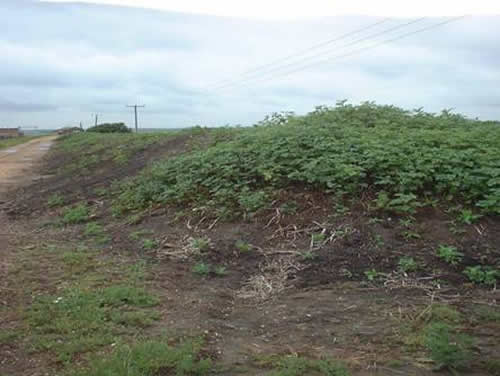
More blight may be originating from outgrade piles as a result of growers losing focus on control, according to Potato Council.
Through the Fight Against Blight (FAB) campaign, Potato Council has been raising awareness and monitoring the disease. In previous years this has led to a substantial reduction in blight from outgrade piles and volunteers. However, in 2008, figures show that blight from outgrade piles has increased since the previous year. This is something Potato Council is keen to keep in check.
"During the 2003 season, blight scouts reported that over 18% of outbreaks originated from outgrade piles. This led to a campaign to target this major source of infection," notes Potato Council blight specialist Gary Collins.
"The result was to reduce the level dramatically, with only 1.6% of outbreaks in 2007 attributed to outgrade piles. During 2008 the level rose to 5.8%, showing that everyone needs to be vigilant when it comes to controlling any growth from this potential blight source."
The rise in potatoes grown in allotments poses another risk for growers. Mr Collins comments: "The credit crunch has increased the trend in producing home-grown potatoes, grown in gardens and allotments. This may result in increased levels of blight from areas that are seldom treated."
He urges growers to be vigilant, especially near allotments, and to report any signs of infection through the FAB scout network. Potato Council is also planning separate communications with garden and allotment associations.
Mr Collins recommends growers stick to the following principles:
Vigilance. Stay alert for signs of blight and control sources of infection, such as outgrade piles and volunteers. Sign up for the free FAB/Blightwatch alerts at www.potato.org.uk/blight
Planning. Discuss your control strategy with your agronomist well before the season begins. Spray programmes should be well-timed applications around a realistic threat-based blight control strategy
Timeliness. Where the threat of blight is high, an early start to the programme may be necessary, and there may be less scope to extend spray intervals
Product. The current fungicide armoury, used well, will bring you good control. But growers should also ensure a good mix of active ingredients in their fungicide programme, particularly being mindful of a more cautionary approach to Phenylamide use being recommended by manufacturers, and possibly customer restrictions, such as limits on the total dose of propamocarb.
There is still little evidence to suggest that recombination is taking place in British crops, which would result in the formation of oospores, but it is important to look out for the common signs which will indicate that blight possibly originated from this soil-borne source. A new Growers’ Advice sheet on identifying outbreaks that may be associated with oospores, will be available on the website soon.
"An early indication of infection from oospores will be many small lesions affecting lower leaves that are touching, or close to, the soil surface. Airborne blight typically affects the upper leaves first. Infection will look particularly aggressive and needs urgent treatment," warns Mr Collins.
"Although the viability of oospores over time in different British soils is not known, growers should remain alert. The A1 and A2 mating types that can lead to recombination were present in fields that can be back in potato production from this season," he highlights.
Growers are encouraged to sign up to Fight Against Blight on www.potato.org.uk/blight which provides free access to the latest, localised information on blight outbreaks and Smith periods via Blightwatch, which can be accessed through the Potato Council website. Alerts are available via both email and mobile phone.
Any grower who finds evidence of blight, especially if it may be related to oospores, and anyone interested in becoming a blight scout should contact Gary Collins at gcollins@potato.org.uk.




