




Bovine viral diarrhoea database reaches 1,000-herd landmark
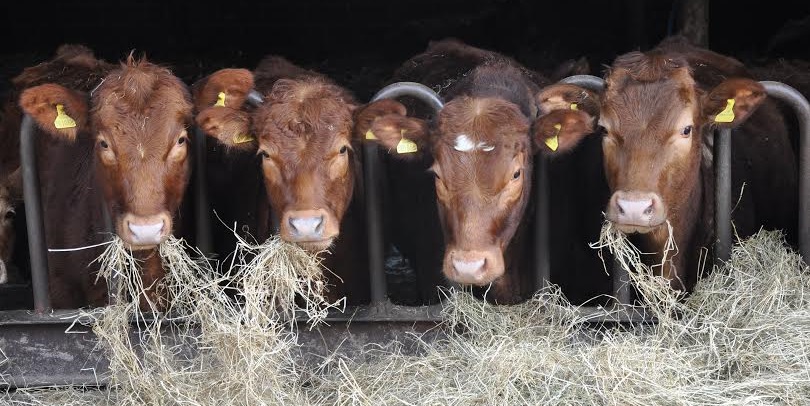
The BVDFree England scheme reached a significant milestone this week, with 1,000 herds now registered to take part in the nationwide eradication scheme.
In total 25,000 individual animal Bovine viral diarrhoea (BVD) statuses are searchable on the BVDFree database.
This has been achieved with support from 100 vet practices who are actively supporting the scheme and working with farmers to help improve performance.
The BVD virus is transmitted in a number of ways, either through a congenital infection during pregnancy to the foetus giving rise to a persistently infected animal, or between cattle within the herd, often spread from nose-to-mouth, and giving rise to a wide variety of clinical signs.
It is estimated that more than 90% of UK herds have had exposure to BVD.
The Royal Veterinary College has estimated the impact of BVD on the English dairy and beef sectors to be £11.36 million per year – with the impact doubling to over £22 million in a 'worst case scenario'.
'Essential'
The BVDFree scheme provides a framework for farmers to work towards a BVDFree herd status, which includes assessing the risks of bringing BVD onto the farm and testing to find out if the disease is circulating in the herd.
Once a herd is signed up to the scheme and begins testing, it must continue to test annually, either by completing a youngstock check test for each management group or by tag testing all calves born.
“Knowing a herd’s BVD status and understanding farm-specific risk factors is now an essential part of herd health planning,” said Emyr Rowlands of Willow Farm Vets, Cheshire.
“As a predominantly dairy practice, our aim is to know the BVD status of 90 per cent of our dairy farms by the end of 2017 by engaging clients through general meetings and small group discussions.
“Farms which have removed BVD persistently infected (PI) animals notice a rapid improvement in calf health and fertility, and, for those confirmed free of BVD, it has highlighted the importance of biosecurity and an effective vaccination protocol.”
BVDFree England is an industry-led scheme designed to eliminate BVD virus from all cattle herds in the country by 2022. It will develop a national database, storing individual and herd test results for scheme members.




