

BYDV alert as one in three aphids test positive this autumn
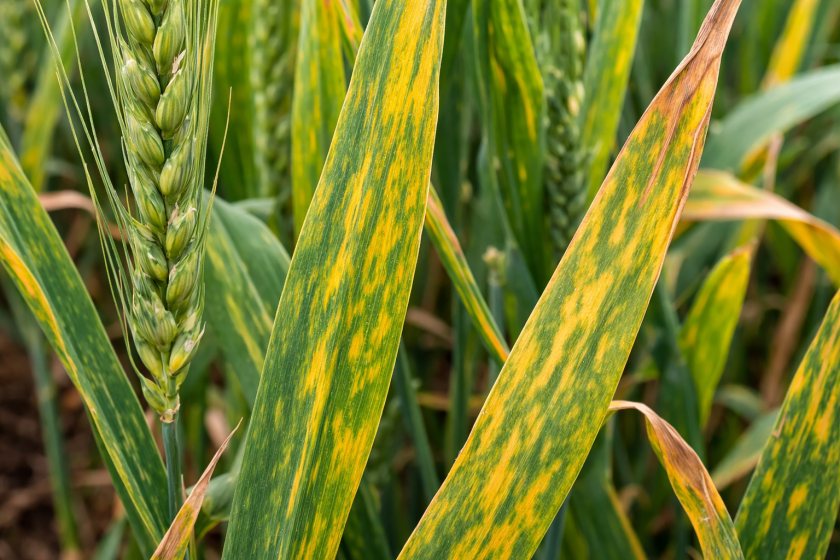
More than one in three aphids tested this autumn are carrying barley yellow dwarf virus (BYDV), raising concerns for wheat and barley growers as virus prevalence remains well above the recent five-year average.
New preliminary figures from the Agriculture and Horticulture Development Board (AHDB) show that 35% of aphids tested in autumn 2026 are carrying the virus.
This is 12.7 percentage points above the 2020–24 average of 22.3%, although only slightly higher than the 34% recorded in autumn 2025.
The findings highlight continued disease pressure for cereal growers, with BYDV capable of stunting plant growth and reducing yields, particularly when crops become infected early.
However, AHDB has stressed that the figures represent virus prevalence in tested aphids, rather than the proportion of cereal crops infected.
The results come from the UK Aphid Monitoring Network, delivered by Rothamsted Research with support from AHDB.
More than 1,000 aphids collected through a network of suction traps are tested each year to monitor virus prevalence and assess potential risks to cereal crops.
Bird cherry-oat aphids account for most of the samples, as they fly in greater numbers during autumn than grain aphids.
Sacha White, AHDB's lead crop protection scientist, said: “The majority of aphids still do not carry BYDV, but the latest results suggest a higher proportion are testing positive for the virus than we've typically seen in recent years.”
He added: “Monitoring this trend is important because virus incidence is one of several factors that influence the potential risk to crops.”
Despite the elevated figures, AHDB has warned against making insecticide treatment decisions based on virus prevalence alone.
Growers are instead being encouraged to consider drilling dates, local aphid activity, crop values and treatment costs when assessing the need for crop protection measures.
White said an integrated pest management approach would help farmers make more informed decisions, taking account of several risk factors rather than relying on a single indicator.
AHDB's BYDV management tool combines information on aphid pressure, virus incidence, crop value and establishment timing to estimate whether an insecticide application is likely to provide an economic return.
The tool is also updated with regional virus-incidence figures as fresh monitoring results become available, allowing growers to respond to changing conditions.
Further aphid samples are still being analysed, meaning the preliminary 35% figure could change as monitoring continues throughout the autumn.
With aphid flights potentially continuing while weather conditions remain suitable, growers are being encouraged to use local monitoring data alongside crop-specific risk assessments before making treatment decisions.