




Dog attack leaves four alpacas dead and sparks police warning to walkers
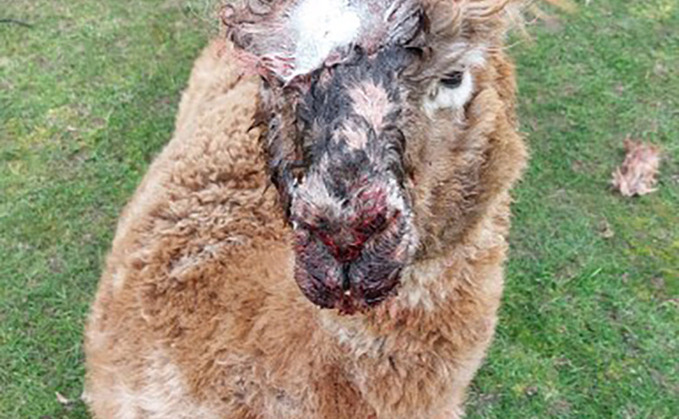
Four alpacas have been killed in a dog attack that has sparked a police warning to countryside walkers in Cambridgeshire.
Officers were called to a farm in Wisbech St Mary shortly after 6.30am on Tuesday, 24 March, following reports that two dogs were attacking livestock.
Four alpacas were killed, while two others suffered serious facial injuries requiring urgent veterinary treatment.
Police from the Rural Crime Action Team (RCAT) seized the dogs involved following the attack. An investigation into livestock worrying remains ongoing.
Sergeant Tom Nuttall said the incident was “an extremely distressing incident for all involved” and thanked both the victim and the dog owner for their cooperation.
He also reminded owners that “livestock worrying is a criminal offence under UK law”.
Under new laws introduced last month, alpacas and llamas are now officially classed as livestock.
The incident comes amid a wider rise in livestock attacks. New figures from NFU Mutual estimate that farm animals worth £1.95 million were severely injured or killed in dog attacks in 2025 — a 10% increase on the previous year.
Mr Nuttall urged dog owners to ensure animals are “kept secure and on a lead in rural areas… to keep all animals safe”.
Police said incidents of livestock worrying can be reported via 101 or through the Cambridgeshire Constabulary website. In emergencies, people should dial 999.
Dog owners are being urged to keep pets on leads near livestock, follow local restrictions and ensure animals cannot escape.
Farmers and landowners are encouraged to install clear signage, maintain secure fencing and consider measures such as CCTV or electric fencing to deter attacks and gather evidence.
Police said incidents like this are preventable and urged walkers to act responsibly when visiting rural areas.




