

Eleven farming groups challenge National Trust over Eryri sheep losses
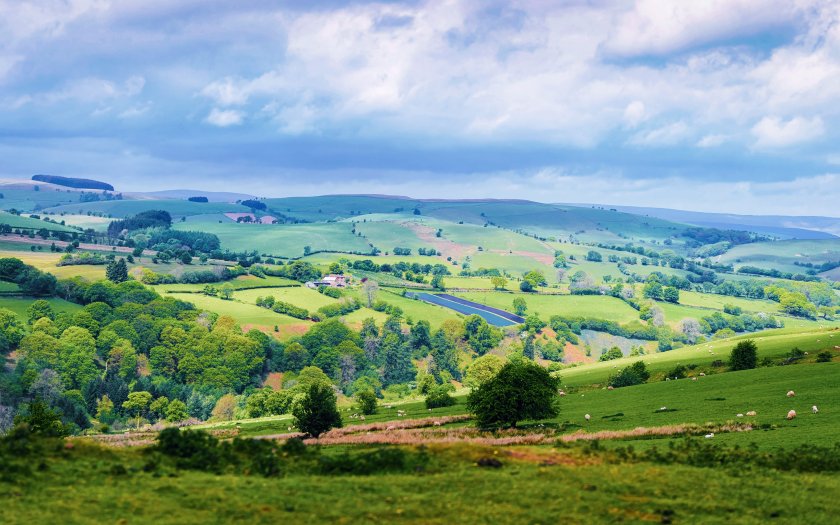
Eleven farming and rural organisations are demanding an urgent rethink of National Trust plans in Eryri (Snowdonia), amid claims that sheep numbers in Nant Ffrancon have fallen by around 5,000.
The Farmers' Union of Wales (FUW) is leading calls for the conservation charity to reconsider its land management decisions following the removal of historic Welsh Mountain sheep flocks.
In an open letter published on 23 November, the organisations warn that traditional upland farming practices and rural livelihoods are being undermined by changes to the landscape.
According to the FUW, established hefted flocks have been removed from four National Trust-owned farms in recent years, leaving just two holdings in the valley still keeping Welsh Mountain sheep.
The estimated reduction of 5,000 sheep is measured against previous peak numbers in the area, rather than representing a confirmed total removed by the Trust.
The concerns follow earlier warnings from four farming unions over declining upland livestock numbers, raised during a summit in Eryri in September.
The signatories are calling for the National Trust to pause and review its plans, improve consultation with local communities and provide evidence justifying its decisions.
"Such changes are a significant concern to us all," the letter states.
Hefted flocks are central to traditional hill farming, with sheep learning to remain within particular grazing areas without the need for physical boundaries.
This knowledge passes from older ewes to younger generations, helping animals navigate the mountain and identify suitable grazing and shelter.
Removing established flocks can disrupt neighbouring sheep populations, while rebuilding a traditional heft can take several generations, creating long-term challenges for upland farmers.
The National Trust has previously recognised the importance of maintaining hefted flocks elsewhere in Eryri, with a 2021 tenancy opportunity at Ty Nant Eidda requiring the incoming farmer to maintain a traditional flock of Welsh Mountain ewes.
The wider debate over grazing levels has also been highlighted by research questioning blanket sheep stocking targets in the Lake District, which found that habitat recovery and viable hill farming could work together when management reflected local conditions.
The dispute in Nant Ffrancon has intensified following the National Trust's launch of its Nature for the People of Nant Ffrancon project in September.
Backed by nearly £1 million from the Nature Networks Fund, the scheme aims to restore habitats and improve biodiversity across approximately 1,635 hectares of land.
Plans include peatland restoration, improvements to rivers and wildflower grasslands, and more targeted livestock grazing to support threatened wildlife.
However, the farming organisations argue that the project was introduced without sufficient engagement with those whose livelihoods depend on the landscape.
Their letter raises particular concerns about the removal of entire hefted flocks, including groups of more than 1,000 ewes, alongside what they describe as inadequate consultation.
The signatories also question whether the National Trust has properly considered the economic and social consequences of its decisions for farming families and rural communities.
"We seek true transparency and evidence that justifies the National Trust's land management decisions in Nant Ffrancon and demonstrates that plans have been informed by environmental and socio-economic assessments," the letter states.
The National Trust has previously acknowledged concerns about consultation over the project.
Speaking to S4C's Ffermio programme, National Trust representative Trystan Edwards accepted criticism that insufficient time had been allowed to consult farmers and residents properly before the scheme was announced.
He indicated that local communities would still have opportunities to influence the project and stressed that agriculture remained important to the future management of the valley.
The Trust has said its restoration programme aims to improve biodiversity while working alongside farmers, communities and conservation partners.
Elsewhere in North Wales, National Trust Cymru has worked with tenant farmers on river restoration and water quality improvements, demonstrating how agricultural activity and environmental management can be combined.
Another project involving a National Trust tenant farmer restoring rare hay meadows on the Llyn peninsula has highlighted the potential for traditional farming practices to support biodiversity and livestock health.
At the Nant Ffrancon project's September launch, National Trust Cymru outlined plans to restore fragmented habitats and help threatened wildlife populations recover.
The scheme also includes the use of GPS livestock collars to manage grazing more precisely, alongside river and peatland restoration.
However, farming organisations remain concerned that environmental objectives could come at the expense of traditional agricultural practices.
Alongside the FUW, the letter has been signed by NFU Cymru, the National Sheep Association, Tenant Farmers Association Cymru, Hybu Cig Cymru and the Countryside Alliance.
Welsh Mountain sheep organisations, local community representatives, language groups and livestock auctioneers have also supported the intervention.
The signatories insist they are not opposed to nature recovery, but want environmental improvements to recognise the importance of farming livelihoods and rural communities.
"We are not opposing environmental improvements," the letter states, before calling for decisions affecting upland farming to be transparent and based on evidence.
The organisations are urging the National Trust to publish the environmental and socio-economic evidence underpinning its land management decisions.
They also want clarification over how the purchase, removal or compensation of hefted sheep has been handled, particularly where tenant farmers are affected.
The open letter calls for urgent discussions with farming representatives and affected tenants to identify ways of improving biodiversity while protecting traditional agricultural practices.
Although the National Trust has previously acknowledged consultation shortcomings and outlined its commitment to working with farmers, a direct response to the latest demands has not yet been established.