




Environment Agency's waste crime survey seeks farmers' views
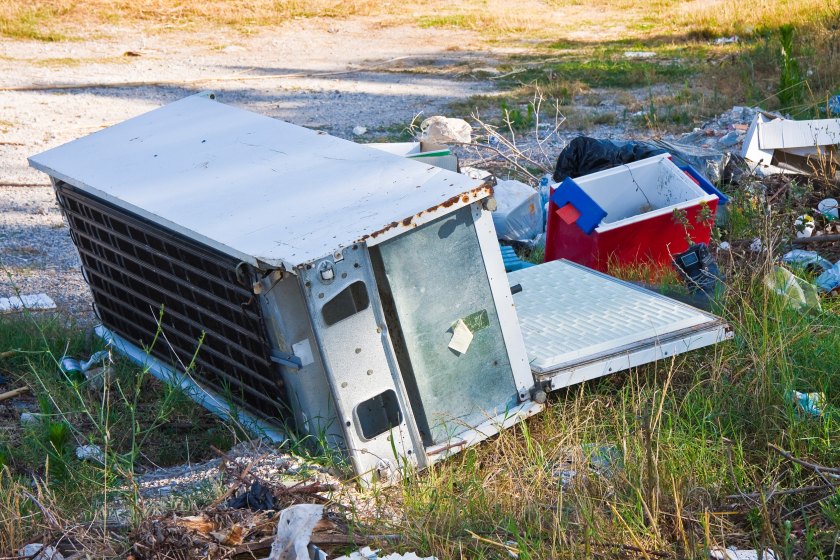
The Environment Agency is conducting an online survey to gather views on waste crime, with farmers and landowners urged to respond.
The National Waste Crime survey was established by the agency to identify trends and understand the effectiveness of its approach to eliminating waste crime.
By completing the survey, farmers and landowners will be helping the agency to understand the scale and impact of waste crime.
For the first time, the will include small scale fly-tipping - no more than one lorry load of waste.
Results of the survey may lead to better interventions, as well as an increased understanding of the effectiveness of action taken by the agency and the government.
Affected businesses, such as farming and rural businesses, may also be given increased support depending on the survey's results.
Defra's annual fly-tipping statistics, released just a few days ago, show that local authorities dealt with 1.09m fly-tipping incidents last year, a decrease of 4% in 2020/21.
While the figures were welcomed, rural groups warned they did not scrape the surface of the full scale of the crime, as cases on private land were not recorded.
The NFU is encouraging its farmer members to respond to the Environment Agency's survey in order to build a better picture of the impact of fly-tipping on farmland.
NFU Environment Forum chair, Richard Bramley said: "Fly-tipping continues to plague the lives of so many of us living and working in the countryside.
"The NFU continues to call for urgent action. This includes making it easier for the public to reduce and recycle waste, and properly punishing offenders who are caught dumping waste illegally with punitive fines, so they act as a deterrent.
“We also want to see a consistent approach across the country where police, government agencies and local authorities are working more closely together to tackle the problem.”
The survey takes no more than 15 minutes to complete, with all information provided confidential and anonymous.
It will close for responses on 27 February 2023.




