

Farm borrowing costs set to rise as Bank of England hikes interest rates
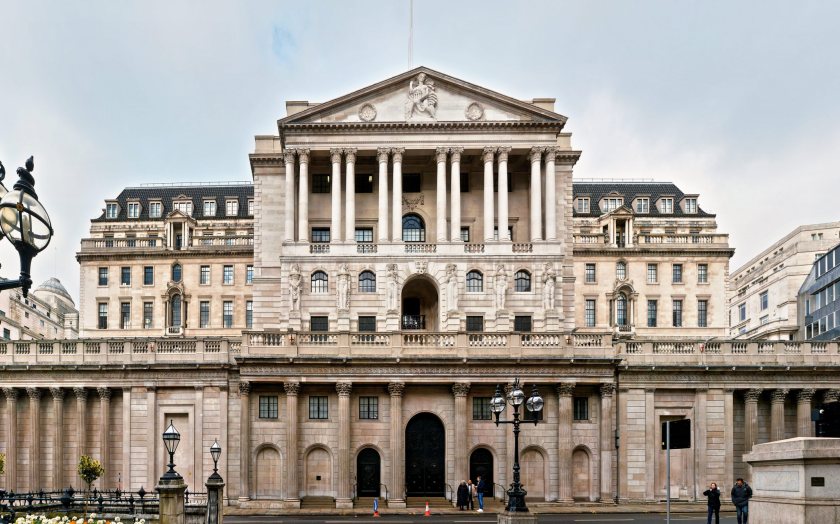
British farmers face another financial squeeze after the Bank of England raised interest rates to 4%, with government figures revealing that agriculture already faced a £799 million interest bill across the UK last year.
The central bank increased its base rate from 3.75% on Thursday (5 November), raising concerns over the cost of farm borrowing, machinery finance and future investment.
The decision comes as farmers grapple with rising production costs and falling farmgate prices, leaving businesses increasingly exposed to additional financial pressures.
Recent Defra figures showed agricultural input prices climbed 8.6% in the year to August 2026, while prices received by farmers for their produce fell by 5.4%.
The widening gap has added to concerns over profitability, particularly in sectors where weaker commodity prices are already restricting margins.
The latest interest rate increase could now make borrowing more expensive for farmers with variable-rate loans, overdrafts and other finance agreements.
Government figures underline the scale of the industry's existing financial commitments.
According to Defra's Total Income from Farming statistics, agricultural interest costs across the UK reached £799 million in 2025, compared with £821 million in 2024.
In England alone, interest costs rose to £641 million in 2025, up from £618 million the previous year.
These figures reflect borrowing costs incurred before the Bank of England's latest decision and do not represent the additional financial burden resulting from Thursday's increase.
Separate findings from Defra's Farm Business Survey revealed that average liabilities among commercial farms in England stood at £302,000 in 2024/25.
Bank loans accounted for 37% of those liabilities, while institutional loans represented a further 29%.
Specialist pig and poultry businesses carried the highest average liabilities, at £969,000 per farm, highlighting the significant financial commitments facing some livestock producers.
Defra also found that net interest payments represented an average of 15% of farm business income in 2024/25, down from 20% the previous year.
For a farming business with £1 million in variable-rate borrowing, a 0.25 percentage point increase could add £2,500 to annual interest payments if passed on in full by lenders.
However, the actual impact will depend on individual borrowing arrangements, with fixed-rate agreements offering some protection against immediate increases.
Higher financing costs could nevertheless affect farmers planning to replace ageing machinery, invest in livestock housing or expand their operations.
Access to finance is already proving difficult for some producers, particularly tenant farmers who may lack land or property assets to offer as security.
A recent Tenant Farmers Association survey found that nine in ten tenant farmers seeking additional borrowing anticipated difficulties securing finance.
Half of the 110 members surveyed said they needed to increase borrowing through loans or overdrafts to keep their businesses operating.
The findings have intensified concerns over whether otherwise viable agricultural businesses can access sufficient working capital to maintain production.
Farming organisations have also called for emergency interest-free loans to support businesses struggling with cashflow pressures caused by drought, disease and higher operating costs.
The Bank's latest decision comes alongside a worsening inflation outlook, driven largely by continued disruption to global energy markets.
UK inflation reached 3.5% in September and is now forecast to climb to around 5% by the middle of 2027, well above the Bank's 2% target.
The continuing conflict in the Middle East has pushed up oil and gas prices, raising the prospect of further increases in fuel, electricity and other essential farming inputs.
The NFU has previously called for government intervention over soaring fuel costs, warning that rising production expenses are placing additional strain on British agriculture.
Energy-intensive businesses, including poultry units, dairy farms and grain-drying operations, could be particularly vulnerable to sustained increases in energy prices.
Eight members of the Bank's nine-strong Monetary Policy Committee voted to increase rates by 0.25 percentage points, while Catherine Mann supported a larger rise to 4.25%.
Bank of England governor Andrew Bailey defended the decision, saying "the case is clear for a 25-basis point rise now".
He also indicated that a further increase could be justified if inflationary pressures failed to ease, although future decisions would depend on economic developments.
The Bank's chief economist, Huw Pill, went further, warning that "a single 25-basis point hike is unlikely to be sufficient".
His comments raise the prospect of further tightening, potentially prolonging the period of expensive borrowing for agricultural businesses.
However, the Bank stressed that monetary policy was not following a predetermined course and that future decisions would depend on inflation, energy prices and wider economic conditions.
The prospect of sustained borrowing costs adds to an already difficult outlook for agriculture, with the NFU previously warning major banks that rising costs are undermining farm confidence.
For farmers contending with higher input costs and weaker returns, further increases in interest rates could place additional pressure on cashflow and discourage investment.
Attention will now turn to the Bank's next interest rate decision on 17 December, amid uncertainty over how long inflationary pressures will persist and whether further increases could follow.