

Farmers face no compensation as River Ness beaver releases approved
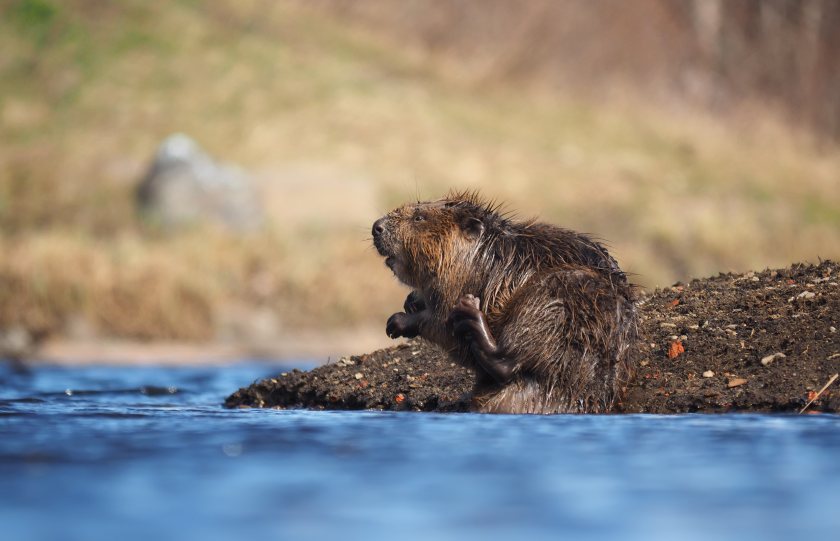
Plans to release up to 15 beaver families into the River Ness catchment have sparked concerns over flooding, farmland damage and the lack of compensation for affected Scottish landowners.
NatureScot approved the releases on Friday (30 October), allowing conservation charities Trees for Life and the Beaver Trust to relocate the animals to agreed sites over the next three years.
NFU Scotland has raised concerns about the potential impact of expanding beaver populations on productive farmland, riverbanks and rural infrastructure.
The union has previously warned that beaver dams can interfere with farmland drainage, while burrowing may undermine riverbanks and protective flood banks.
However, NatureScot confirmed that it will not provide financial compensation to farmers or landowners for damage caused by beaver activity.
Instead, the agency offers practical assistance through its Beaver Mitigation Scheme, including preventative measures and licensed intervention where necessary.
Landowners must meet specific licensing requirements before undertaking certain management activities, such as removing dams or relocating beavers.
The arrangements raise questions over how affected farmers would manage potential flooding, damaged riverbanks and additional costs.
NatureScot acknowledged that farming was the most frequently raised concern during consultations, particularly the risk of localised flooding and erosion caused by beaver activity.
The agency also recognised potential impacts on silage fields, which provide an important source of winter livestock feed.
Areas identified as potentially vulnerable include low-lying land around Glen Moriston, Fort Augustus and Stratherrick.
However, NatureScot concluded that much of the catchment's steep, rocky landscape would limit opportunities for beavers to construct dams or burrow into riverbanks.
Its assessment found that the environmental benefits would outweigh the potential negative impacts, with existing mitigation arrangements available to address serious conflicts.
More than 73% of respondents to the consultation supported the proposals, although concerns were raised by land managers, fisheries interests and local residents.
Robbie Kernahan, NatureScot's director for wildlife management, said the agency had carefully considered the concerns raised during the consultation.
"Some concerns have been raised by land managers and residents through the consultation process and we take these seriously," he said.
He added that the applicants' monitoring arrangements, alongside NatureScot's existing Beaver Mitigation Scheme, should help resolve conflicts arising from the releases.
Conservation groups argue that reintroducing beavers could improve biodiversity by creating wetlands, restoring freshwater habitats and helping regulate water flows during floods and droughts.
Alan McDonnell, head of nature restoration at Trees for Life, welcomed the approval, highlighting the environmental benefits of restoring the species.
"Beavers are key allies in tackling the interconnected climate and biodiversity crises facing us all, so this successful result brings real hope for the future," he said.
The animals will be relocated under licence from other parts of Scotland where their activity has caused problems on prime agricultural land and mitigation measures have proved unsuccessful or impractical.
All beavers will undergo health screening before release.
The project forms part of Scotland's Beaver Strategy 2022–2045, which aims to restore the species across suitable habitats and expand its geographical range.
The first releases could take place as early as November, according to Trees for Life, with further introductions planned over the following three years.
Specific release locations will be announced after the animals have been safely relocated to minimise disturbance.
A monitoring and mitigation group will oversee the project, track beaver activity and provide a channel for landowners to raise concerns.
However, with NatureScot ruling out compensation for beaver damage, questions remain over whether existing safeguards will provide sufficient protection for affected farmers and crofters.