

Farmers' hidden health risks laid bare in major NHS report
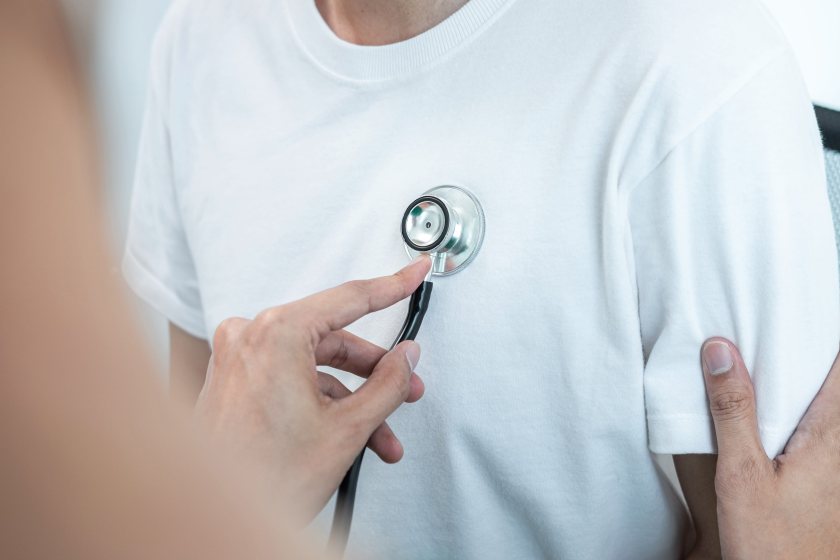
Farmers are facing some of Britain's highest workplace injury risks while struggling to access basic healthcare, according to a major new report from England's chief medical officer.
Professor Sir Chris Whitty has called for health services to better accommodate farming life, warning that long working hours, isolation and financial pressures can leave agricultural communities particularly vulnerable.
His 2026 annual report, published on Wednesday (4 November), highlights the physical and mental health challenges facing farmers, agricultural workers and their families.
The findings reveal that agriculture, forestry and fishing recorded 8.09 fatal workplace injuries per 100,000 workers in 2025/26, the highest rate of any major industry group in Great Britain.
This compares with 5.47 deaths per 100,000 workers in waste and recycling, the second-highest-risk industry group.
The report identifies workplace safety as a major public health concern, highlighting the dangers associated with heavy machinery, livestock and exposure to hazardous substances.
It also warns that farmers face significant mental health pressures, particularly on smaller family-run holdings where financial uncertainty, demanding workloads and personal responsibilities are closely connected.
Despite these risks, many agricultural workers struggle to access routine NHS care because of long and unpredictable working hours.
Busy periods such as lambing and calving can make attending appointments particularly difficult, while long distances and limited public transport create additional barriers for rural communities.
The report states: "Agricultural communities have historically been poorly understood and underserved by healthcare services."
Sir Chris has called for more flexible NHS appointments, improved mental health outreach and greater use of agricultural events, including livestock markets, to bring healthcare directly to farming communities.
One example highlighted in the report is Bakewell livestock market in Derbyshire, where NHS staff are offering free health checks to farmers during their visits to the market.
The Farmers' MOT Day initiative, organised by Derbyshire Community Health Services NHS Foundation Trust, aims to reach agricultural workers who may otherwise struggle to find time for routine healthcare.
More than 40 people had health measurements recorded during an event in May, including blood pressure, cholesterol, blood sugar, pulse, height and weight checks.
A further event was held at Bakewell Agricultural and Business Centre on 26 October, providing another opportunity for farmers to access health advice and support.
The service also brings together organisations offering mental health support, cancer screening information, physiotherapy advice and other preventative healthcare services.
By delivering checks at a livestock market, the initiative allows farmers to seek advice while attending to their normal business, reducing the need to arrange separate appointments.
Derbyshire County Council's director of public health, Ellie Houlston, helped write the agricultural communities chapter of Sir Chris's report.
She said: "Agricultural communities face particular pressures that can affect both their physical and mental health, while the demands of farming life can make it difficult to access support."
Ms Houlston also highlighted the importance of providing healthcare in familiar locations that fit around farmers' working commitments.
"The work at Bakewell Market shows the value of listening to farming communities," she said.
The report also recognises the contribution of Derbyshire Rural Chaplaincy, which provides pastoral and emotional support to agricultural communities at livestock markets, on farms and at local events.
Healthcare professionals involved in the Bakewell initiative believe taking services directly into farming communities can help overcome barriers to accessing support and encourage earlier intervention.
However, detailed findings showing how many previously undetected health conditions have been identified through the checks have not been published.
Beyond agriculture, the report raises wider concerns about access to healthcare in rural England, where longer journeys, limited public transport and difficulties recruiting NHS staff can make obtaining treatment more challenging.
Sir Chris recommends that healthcare services be designed around local needs rather than simply applying models developed for urban populations.
The findings also highlight the potential for greater use of remote consultations, although the report stresses that face-to-face appointments must remain available when needed.
For the farming sector, the recognition of Bakewell's initiative raises questions about whether similar health checks could be made more widely available at livestock markets across England.
No nationwide rollout has been announced, but the report recommends greater use of agricultural events to reach farmers who may otherwise struggle to access routine healthcare.