




Farmers warned extreme heat could damage long-term food production
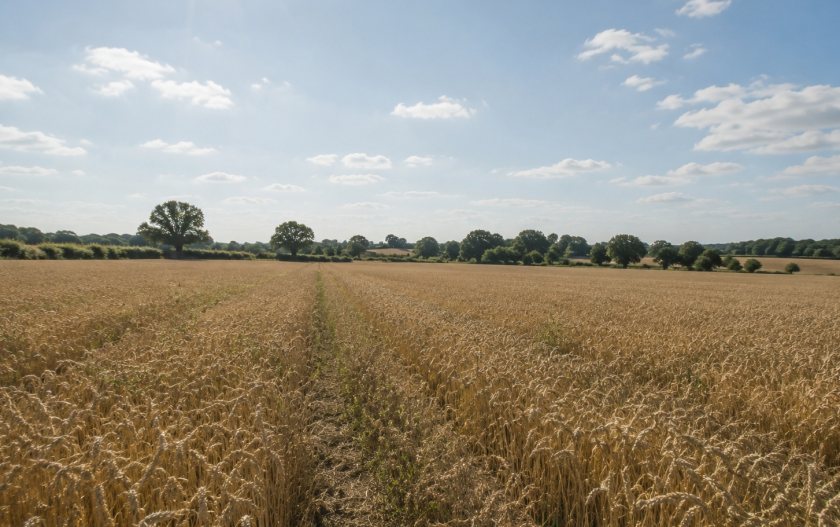
Extreme heat is becoming a major threat to UK farming, with experts warning that rising temperatures are hitting crops, damaging soils and putting long-term food production at risk.
As heatwaves become more frequent and intense, attention is turning to the impact of high temperatures on crop productivity, soil health and the resilience of farming systems.
The warning comes as farmers face more frequent weather extremes, with heat, drought and intense rainfall putting growing pressure on crop performance and soil resilience.
Professor Nicola Cannon, professor of agriculture at the Royal Agricultural University, said extreme heat could disrupt the basic processes that crops rely on to grow.
She said: “Extreme heat fundamentally disrupts how crops grow and function.”
Professor Cannon said that when temperatures exceed optimum levels, plants can shut down key processes including photosynthesis.
She added: “When temperatures exceed optimal thresholds, plants shut down critical physiological processes such as photosynthesis, which directly reduces growth and yield.”
High temperatures can increase evaporation, causing plants to lose water faster than roots can replace it. This can cause plants to wilt as they close the tiny pores in their leaves to conserve water, reducing carbon dioxide uptake and slowing photosynthesis.
Professor Cannon said that under sustained or extreme heat stress, plants may “effectively cease growth”, limiting biomass accumulation and carbon capture.
Heat stress can be particularly damaging during key growth stages such as flowering and grain filling, when high temperatures can lead to poor pollination, reduced grain set and lower yields.
Winter wheat, the UK’s main cereal crop, has largely passed its most heat-sensitive stage, with peak vulnerability usually occurring during pollen development from late May to mid-June.
Spring wheat, however, reaches this phase later, typically from late June to early July, leaving it more exposed to current and forecast periods of high temperature.
The impact of heat is not limited to the crop above ground.
Higher soil temperatures can accelerate the breakdown of organic matter, affecting the microbial communities that support soil fertility. This can increase carbon and nitrogen losses, contribute to higher greenhouse gas emissions and reduce nutrient availability as soil moisture declines.
As soils dry and organic matter breaks down more quickly, farms can lose some of the natural resilience that helps crops cope with drought, heavy rain and compaction.
However, Professor Cannon said the response of soils can be difficult to predict because it depends on soil type, exposure and local conditions.
Professor Cannon said heat could weaken soil biology and nutrient cycling.
She said: “Soil is a living system, and extreme heat places that system under stress.”
She added: “We see reductions in biological activity, changes in nutrient cycling, and ultimately a loss of the resilience that healthy soils provide.”
Dry and degraded soils are also more vulnerable to erosion and compaction, reducing their ability to support crops and retain water.
Experts warn that the combined impact of heat stress on crops and soils presents a major challenge for sustainable agriculture.
Lower yields, greater demand for inputs such as irrigation and declining soil health could affect both the environmental and economic resilience of farm businesses.
Professor Cannon said the concern went beyond one difficult season.
She said: “This is not just about reducing current growing conditions.”
Repeated exposure to extreme heat, she warned, can damage the resource base that farming depends on.
She added that this could make farming systems “less resilient and more vulnerable over other extreme weather events such as flooding or erosion caused by intense rainfall.”
Globally, experts are increasingly stressing the need to adapt farming systems to more frequent heat extremes.
Measures such as greater crop diversity, maintaining living roots in the soil, improving soil organic matter and adopting regenerative practices can help farms buffer against high temperatures.
Extreme heat can also reduce plant growth and photosynthesis, lowering carbon sequestration and, in some cases, increasing greenhouse gas emissions from stressed or degraded systems. This weakens the land’s ability to store atmospheric carbon and can further contribute to climate warming.
Professor Cannon said: “Building resilience into farming systems is critical. Practices that improve soil structure, protect soils from extreme weather events, retain moisture, and support biological activity can help mitigate the impacts of high temperatures and make agriculture more adaptable to climate change.”
With climate projections indicating that extreme heat events will become more common, Professor Cannon called for coordinated action from policymakers, industry and farmers.
She said: “Farmers are on the frontline of climate change.”
Professor Cannon added: “Supporting them with knowledge, tools, and long-term policy frameworks is essential if we are to safeguard food production and environmental sustainability for the future.”




