

Farms at risk as MPs warn UK is unprepared for major wildfires
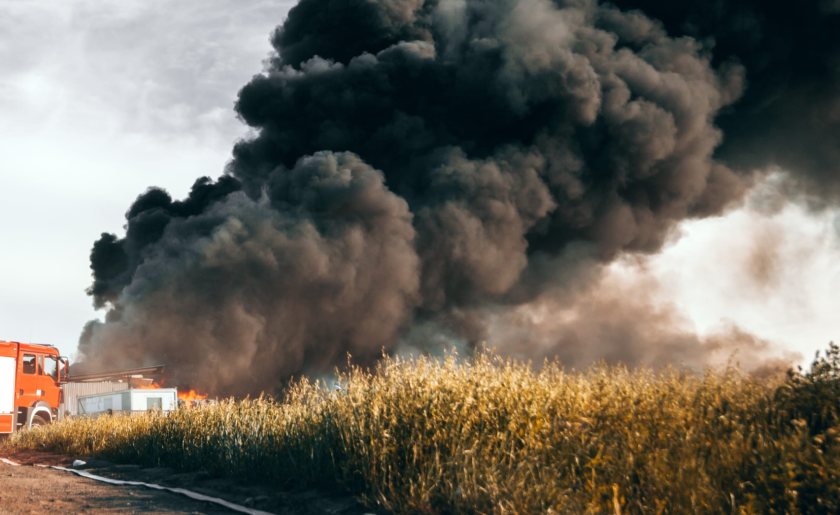
More than 1,300 wildfires have been tackled across England and Wales this year, prompting MPs to demand urgent action to protect farms, livestock and rural communities.
A new parliamentary report calls for dedicated firefighting aircraft, tighter restrictions on disposable barbecues and a national strategy to tackle the growing threat.
The Environment, Food and Rural Affairs (EFRA) Committee warns that the UK remains poorly prepared for severe wildfires, despite two consecutive record-breaking years.
Farmers, land managers and gamekeepers are frequently among the first to respond, helping fight flames, plough firebreaks and rescue livestock.
MPs say preparations must begin immediately to strengthen the country's response before spring 2027.
EFRA Committee Chair Alistair Carmichael MP warned: “Two consecutive, record-breaking years of wildfires should be ringing alarm bells in Westminster.”
Fire and rescue services in England and Wales have responded to more wildfires in 2026 than during the whole of 2025.
Major incidents have also affected Scotland, with thousands of hectares of countryside damaged and rural communities facing mounting pressure.
The committee says the contribution of farmers and other rural volunteers must be recognised, particularly those who put themselves at risk to protect farmland, livestock and surrounding communities.
MPs heard evidence of the psychological toll on people living and working in affected areas, including the strain of remaining constantly alert during periods of heightened wildfire danger.
The report calls for improved wellbeing support for firefighters and rural volunteers, alongside greater involvement of affected communities in government decision-making.
Land management is another major concern, with MPs calling for a review of controlled burning regulations and their impact on wildfire prevention.
The committee heard that grazing, vegetation cutting and controlled burning can help reduce the build-up of dry vegetation that fuels fires.
However, environmental organisations raised concerns that repeated burning can damage peatland and potentially increase longer-term wildfire risks.
MPs recommend a flexible approach that makes different land management techniques available, taking account of local conditions while supporting peatland restoration.
They also want Defra and Natural England to rebuild trust with farmers, land managers and rural communities over wildfire prevention.
Water shortages are another significant challenge, with 81% of fire and rescue services reporting changes to emergency response plans in areas where access to water is a concern.
The committee wants clearer legal responsibilities for water companies during major incidents, alongside fewer barriers to creating wildfire suppression ponds and on-farm reservoirs.
A lack of dedicated firefighting aircraft has also been highlighted, despite some fire services having arrangements with private providers.
MPs are demanding a detailed plan by January 2027 for improving aerial firefighting capabilities, including consideration of military aircraft currently based in Cyprus.
The report also welcomes £97 million announced for a pilot scheme involving specialist wildfire teams across five regions, but calls for their effectiveness and national coverage to be assessed.
With human activity responsible for most wildfires, MPs want temporary nationwide restrictions on the sale of disposable barbecues during periods of heightened risk.
They are also calling for consistent public awareness campaigns, drawing on approaches used in countries such as Australia.
Wildfire risk information should become a regular feature of weather forecasts and apps, while funding should be made available for fire wardens in vulnerable areas.
The committee wants a cross-government Wildfire Action Plan published by the end of 2026, followed by a longer-term National Wildfire Strategy for England.
It is also calling for a coordinated UK-wide approach, bringing together ministers from all four nations to improve preparedness and share lessons from recent fires.
Mr Carmichael stressed that farmers and rural communities must have a stronger voice in shaping future wildfire policy.
“More than anything else, however, government has got to start listening to and respecting the communities most directly affected by the blight of wildfires.”
The committee warns that without urgent improvements to prevention, equipment and emergency planning, farms and rural communities could face further damaging wildfire seasons.