

Fewer than one in five vaccinated as bluetongue threatens rare breeds
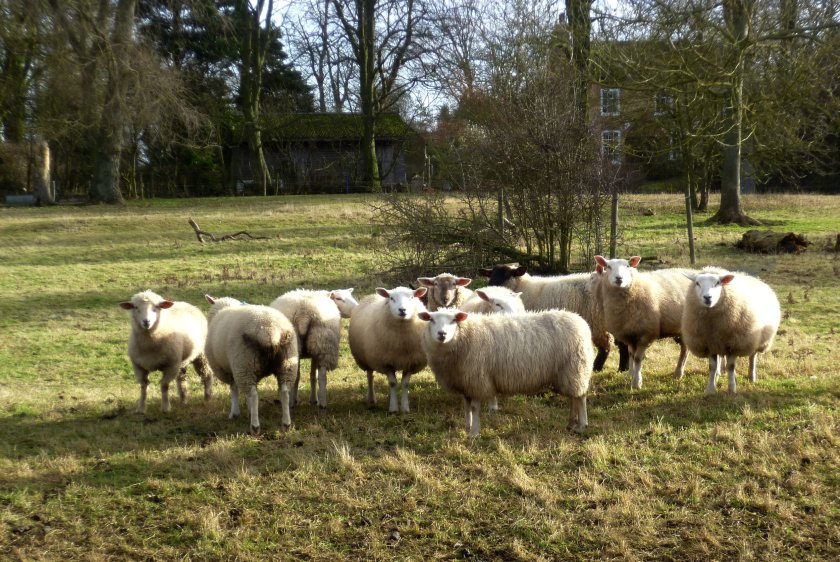
Fewer than one in five registered animals have been vaccinated against bluetongue in some of the UK's rarest livestock breeds, prompting calls for urgent government action to improve vaccine access.
The Rare Breeds Survival Trust (RBST) has warned that low vaccination coverage could threaten vulnerable native breeds, with farmers and livestock keepers struggling to secure suitable supplies.
A recent consultation by the charity found that many rare breeds have vaccination rates below 50%, with some recording coverage of less than 20%.
Of the breed societies and breeder groups consulted, 60% reported that their members were experiencing difficulties obtaining vaccines.
RBST has now written to Defra Minister for Biosecurity, Borders and Animals Sue Hayman, urging measures to improve availability, particularly for smaller herds and flocks.
The charity warned that rare breeds face particular risks from bluetongue because of their already limited populations and the importance of preserving their genetic diversity.
RBST chief executive Christopher Price said: "With low population numbers already, the Bluetongue virus is a concerning threat to the breed-level survival of the UK’s rarest native livestock, and to the crucial genetic diversity these breeds maintain for food and farming."
Bluetongue is a viral disease spread primarily by biting midges and can cause serious illness in sheep and cattle, including fever, lameness, reproductive problems and, in severe cases, death.
The disease remains a significant concern for livestock farmers, with Defra figures published on 16 October recording 3,412 affected premises across the UK during the 2026–27 bluetongue season.
One of RBST's main concerns is the difficulty smaller livestock keepers face in obtaining vaccines in quantities appropriate for their herds and flocks.
The charity is calling for manufacturers to supply smaller vaccine packs and for Defra to provide veterinary guidance on safe and legal vaccine sharing to reduce waste.
Mr Price said: "We are asking Defra to ensure vaccine manufacturers produce consignments of smaller packages as soon as possible, particularly Bultavo-3 which is already approved for sale in 10 dose packages."
Separately, guidance published by the Veterinary Medicines Directorate (VMD) on 13 October clarified that vets can administer bluetongue vaccine from a single bottle to animals belonging to different owners, provided strict handling, storage and time limits are followed.
However, livestock keepers cannot legally sell, exchange or transfer vaccines directly to other owners, with the VMD warning of potential risks to animal health.
RBST is also pressing ministers to ensure the needs of rare breeds are considered in government preparations for the 2027 bluetongue season.
The charity believes more research is needed into potential differences in how livestock breeds respond to the virus, following anecdotal reports that some may be more susceptible than others.
It wants Defra to collect and share relevant data to inform future vaccination strategies and help direct resources towards vulnerable breeds.
Mr Price added: "The needs of the UK’s rare breeds should be recognised and acted upon as part of the government’s wider efforts to increase vaccine availability for 2027."