




Global food commodity prices set for respite in 2024, report says
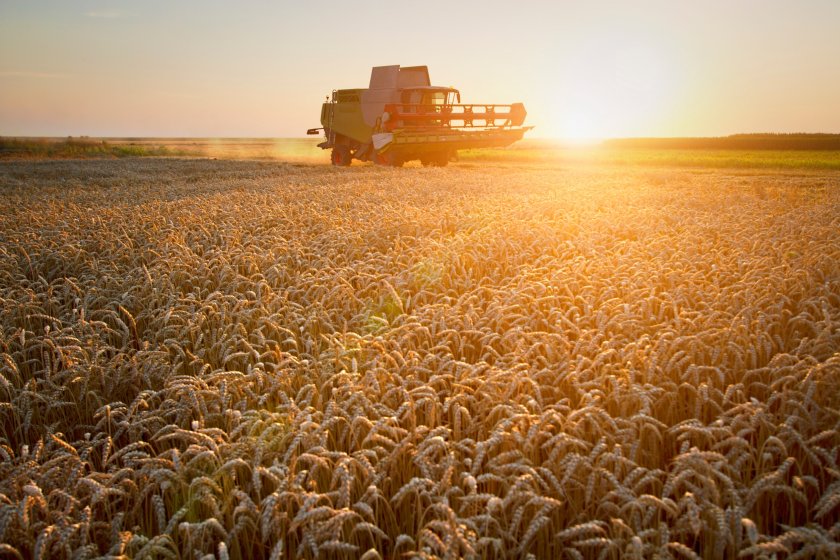
Global food commodity prices are set for respite in 2024 after three years of record highs caused by war, adverse weather and rising energy and input costs, a new report says.
Rabobank predicts that the price of key food staples will fall as production has some time to adjust to higher prices, bringing down costs for buyers and in some cases for consumers too.
Despite relief on prices and availability, the agribusiness bank still predicts demand to remain weak as consumers continue to deal with economic challenges, including high inflation and interest rates.
Rabobank's report says it expects weak economic growth in 2024 to limit the growth in agricultural commodity demand.
Uncertainty will persist for wheat as the crop will be subject to weather-related disruptions and potential restrictions on Russian exports, despite large volumes being produced and in storage in the country.
Carlos Mera, head of agri commodities at Rabobank, said that describing the last three years of global agricultural commodity prices as volatile was an understatement.
"Producers are still grappling with the after-effects of war, adverse weather, high farm input inflation and weak consumer demand, but eyeing 2024 as the return to a semblance of normality.
“Winners and losers will emerge as agricultural commodities go through different points of the cycle next year.
"We anticipate those in the bakery, dairy and animal protein sectors will be the biggest beneficiaries, as the South American market returns to a healthier position and bolsters supplies.”
Brazilian farmers are expecting to see a record soybean production crop in 2024 as La Niña weather gives way to El Niño. The bank expects a bumper 163m metric ton crop haul.
Argentina, the biggest exporter of soy products, is also expected to recover after last year’s harvest failure, boosting global stockpiles, although it will be subject to an uncertain FX policy.
Sugar prices hit a 12-year high in 2023 as Thailand and India produced disappointing crops, but Rabobank expects a return to more normal conditions in Thailand in 2024/25, which could bring prices down further than the current forward curve predicts.
The bank forecasts that the coffee market will hit a surplus of 6.8m bags in 2024/25, spurred by a recovery of the arabica crop in Brazil and Colombia.
Yet challenges persist as farmers continue to be squeezed by high input costs, labour shortages and weak consumer demand, although demand will likely be slightly stronger in 2024 than in 2023.
For wheat, Rabobank expects another deficit in the global market, the fifth in a row. There will be little relief from the Southern Hemisphere crops in the coming months, with both Argentina and Australia underperforming.
El Niño could leave fields in Australia with little moisture ahead of the 2024 planting season, the report explains.
And Russia’s 2024 harvest will likely stay above 87m metric tons, but any expectation today is subject to weather uncertainty and export restrictions.
Meanwhile, the war in Ukraine will also continue to affect production and exports and will lead to a shrinking exportable surplus.
Carlos Mera added: “It won’t be plain sailing but the more positive outlook for the majority of agri commodities should lead to relief for buyers.
"Governments, businesses, farmers and consumers will all feel beleaguered after a volatile few years.
"Now’s not the time to toast a recovery, but the outlook for inflation in agricultural commodities is far more positive than in previous years.”




