

Lamb weighing set for shake-up as automated systems enter farm trials
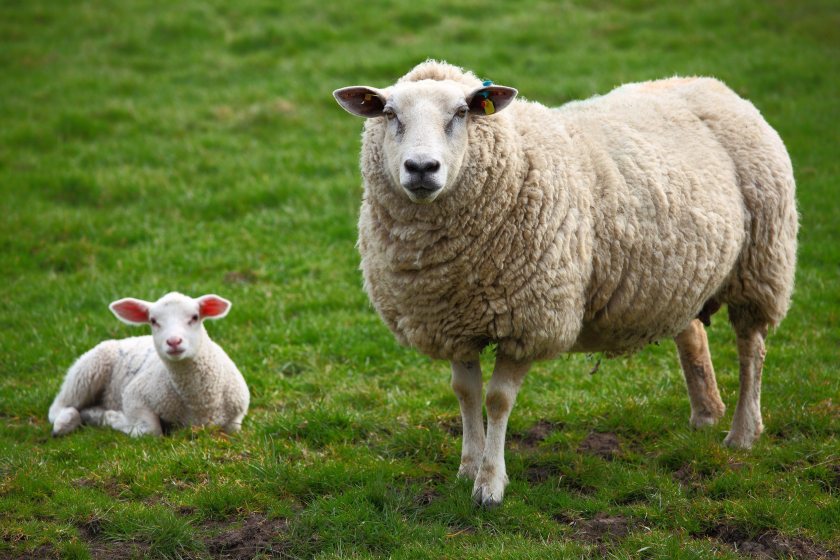
Lambs could soon be weighed automatically while feeding, walking or playing, as three new technologies undergo trials on commercial UK farms.
The Lamb Monitor project aims to help sheep farmers track growth rates without repeatedly gathering and handling animals, potentially reducing labour requirements, improving welfare and supporting better finishing decisions.
The project brings together the National Sheep Association (NSA), UK Agri-Tech Centre and Ritchie Agricultural to develop practical weighing systems suited to everyday sheep farming.
Three prototypes are being tested, each designed to collect weight information through lambs' natural behaviour.
The first uses a creep feed or mineral lick station, where lambs voluntarily enter a unit to feed while their weight is recorded.
A second features a walk-over platform positioned between grazing paddocks, allowing animals to be weighed as they move between fields.
The third takes a different approach, using a climb-on platform that encourages lambs to play and explore while capturing weight measurements.
Each system uses electronic identification (EID) tags to identify individual lambs and record their weights automatically.
One variation measures the weight placed on a lamb's front foot, using this information to estimate its overall liveweight.
The data is uploaded to Ritchie's online platform, where farmers can monitor growth, set target weights and receive alerts on phones, tablets or computers.
Continuous monitoring could help producers identify lambs approaching market weight without repeatedly gathering their flocks.
It could also highlight slower growth linked to poor forage quality, parasite burdens or other health issues, allowing farmers to investigate potential problems sooner.
NSA project manager Abby Cook welcomed the progress towards developing technology that could make flock management easier.
“It is exciting to see this technology develop into a practical, farmer-focused solution which can deliver real benefits on the ground.”
She said the NSA's involvement had helped bring practical sheep farming knowledge into the development process, ensuring the systems reflected the needs of commercial producers.
Although automated weighing is already established in beef production, developing similar technology for sheep has proved more challenging because of lamb behaviour and extensive grazing systems.
Charlie Brown, product development manager at Ritchie, said the equipment had been designed to work alongside existing flock management practices.
“Our aim has always been to develop a practical system that fits naturally into the way sheep behave, rather than requiring farmers to change the way they manage their flock.”
He said reducing repeated gathering and manual weighing could help farmers identify market-ready lambs sooner and respond more quickly to growth problems.
The prototypes are now being evaluated across the UK Agri-Tech Centre's commercial farm network to assess their accuracy, reliability and performance under everyday farming conditions.
Researchers are examining how consistently the systems record individual lamb weights, with feedback from participating farmers helping guide further development.
Hayley Gerry, project manager at the UK Agri-Tech Centre, said demonstrating reliability outside controlled environments was essential.
“One of the biggest barriers to adopting new technology is demonstrating that it works reliably in real commercial farming situations.”
She said the trials would provide independent validation of the data while helping developers understand how the equipment performs across different sheep farming systems.
The findings will help determine whether the prototypes can provide reliable weight monitoring under commercial conditions, potentially paving the way for wider adoption across the UK sheep sector.