




Lower-fat milk replacers could boost calf growth and cut costs
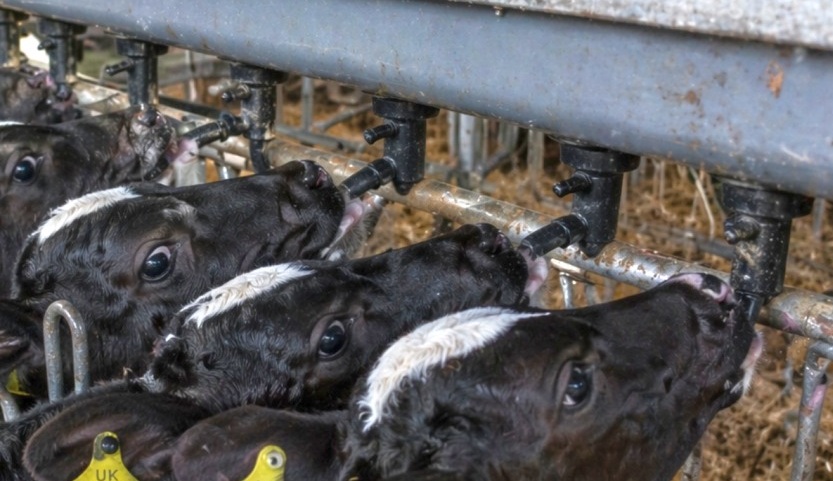
Calf rearers could cut costs and boost growth by rethinking milk replacer strategies, as tighter margins put increasing pressure on profitability.
Experts say adjusting fat levels and feeding volumes in calf milk replacers (CMR) offers a practical way to improve efficiency without compromising performance during a critical stage of development.
Dr Jessica Cooke, R&D manager at Feed For Growth, said producers should resist the temptation to scale back investment in youngstock, despite lower milk prices.
“It’s always worth investing in calf growth, whatever the milk price,” she said, warning that cutting back risks missing the benefits of high feed conversion efficiency during the milk feeding phase.
Instead, she highlighted fat inclusion as a key area for improvement. Higher-fat milk replacers — typically above 22–23% — are more expensive and can suppress starter feed intake, potentially limiting long-term growth.
“Feeding a CMR with a fat content of less than 22% typically stimulates the earlier consumption of solid feed,” she explained, noting that early starter intake is essential for rumen development and smoother weaning.
A Canadian study of 128 Holstein calves found those fed a 17% fat milk replacer were 13.6kg heavier after 91 days and consumed 33kg more starter feed than calves on higher-fat diets.
This increased intake of solid feed supports better rumen development and helps maintain growth rates after weaning, when calves transition onto more cost-effective dry feed.
In contrast, higher-fat diets combined with large milk volumes — around 90kg per calf — may deliver strong early growth but risk a sharp drop in performance post-weaning if starter intake is insufficient.
“The research suggests feeding 50–60kg of milk solids across the rearing period is the optimum,” Dr Cooke said.
She added that reviewing milk replacer specifications and feeding rates could deliver immediate on-farm gains, improving both performance and cost efficiency.
The findings also highlight the risks of switching to whole milk as a cost-saving measure. While it may appear cheaper, Dr Cooke warned it can introduce diseases such as Johne’s, bovine TB and Mycoplasma bovis, making it a false economy.
“A quality CMR is not only more hygienic but also has a more consistent macro and micro-nutrient supply for calves than whole milk,” she said.
With margins under pressure, the advice points to targeted nutritional adjustments as a way for producers to protect performance while improving efficiency.




