




Lungworm surge and drug resistance spark warning to cattle farmers
Cattle farmers are being urged to act before turnout as rising lungworm cases and growing resistance to commonly used wormers increase disease risk on pasture.
Concerns have intensified following new research highlighting reduced effectiveness of widely used treatments, prompting renewed emphasis on vaccination as a preventative measure.
Studies from the University of Glasgow have added to evidence of resistance to macrocyclic lactones such as ivermectin and moxidectin, with findings showing these products failing to control lungworm infections in cattle.
Dr Kat Baxter-Smith, veterinary adviser with MSD Animal Health, says the scale of the problem has increased sharply in recent decades.
“There’s been a tenfold increase in lungworm infections since the mid-1990s – particularly in Scotland and northern England,” she says.
She adds that reported cases have continued to climb in recent years. “Between the 2018 and 2024, cases of parasitic pneumonia diagnosed and reported to the GB Veterinary Investigation Diagnosis Network (VIDA) rose by 100% across the UK.”
While lungworm has traditionally been associated with youngstock, evidence suggests the disease is now affecting adult cattle more frequently.
Dr Baxter-Smith says changes in grazing patterns and reduced natural exposure are leaving older cattle with lower immunity, increasing their vulnerability later in the grazing season.
“Clinical disease in adult cattle can occur late in the season due to a lack of immunity from natural challenge, immunosuppression from other disease, or very high worm burdens,” she says.
Lungworm infection occurs when cattle graze pasture contaminated with larvae of Dictyocaulus viviparus, which can rapidly increase infection pressure across grazing areas.
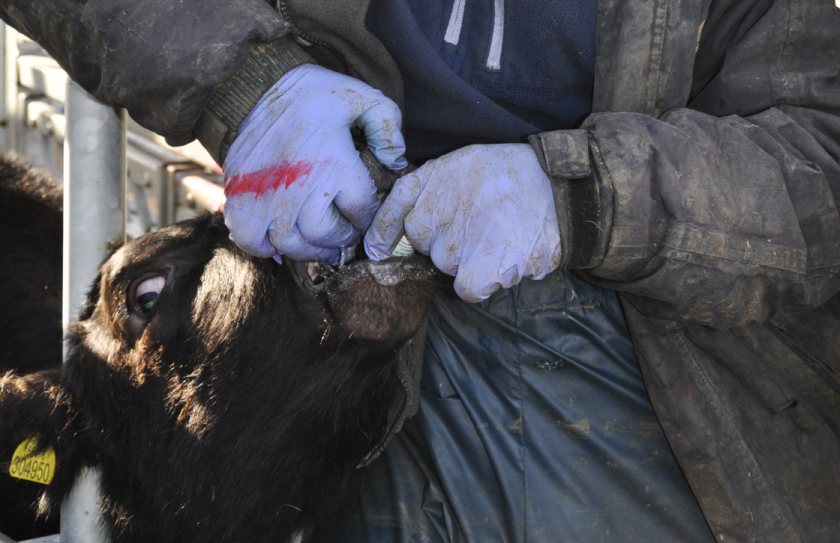
Vaccination is being promoted as a sustainable approach that allows animals to build immunity before exposure on pasture.
“Routine use of wormers can encourage resistance as highlighted by recent studies and reduce the animal’s ability to develop natural immunity,” Dr Baxter-Smith says.
“Vaccination, however, stimulates immunity through controlled exposure to irradiated larvae, offering long-lasting protection without driving resistance.”
She notes that while vaccination remains common, long-acting wormers and pour-on treatments have become increasingly popular in recent years.
“Now, with evidence of resistance emerging, we need to prioritise sustainable practices like vaccination,” she says.
On farms where lungworm risk is identified, two doses of Bovilis® Huskvac should be administered four weeks apart before turnout, with calves at least eight weeks old at the time of the first dose.
The economic impact of lungworm outbreaks can be significant. “Outbreaks can cost £50–£100 per affected animal, and up to £3 per head per day in lost milk yield in dairy cows, which is far more costly than vaccinating,” Dr Baxter-Smith says.
She stresses that decisions should be made as part of a wider herd health plan.
“Every farm is different. Talk to your vet about your grazing system, the age of animals at risk, and the worming policy you use,” she says.
“A vaccination plan tailored to your farm can help safeguard herd health, reduce financial losses, and protect the efficacy of the wormers we still have.”




