

Nearly one in five TB-free dairy herds test positive for antibodies
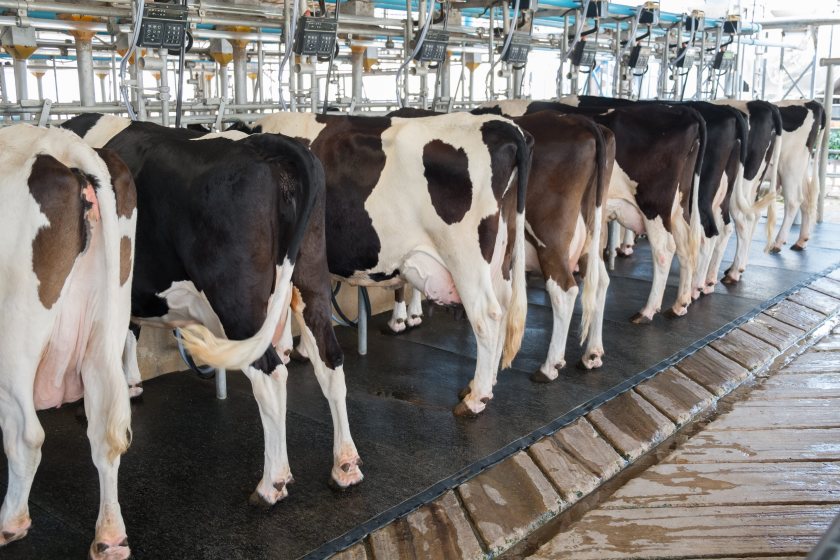
Almost one in five dairy herds officially classified as free from bovine TB returned a positive milk antibody test in a major study, raising concerns that some infections may be escaping existing surveillance.
The research, involving 4,830 dairy herds across England, Scotland and Wales, examined whether testing milk from bulk tanks could help identify possible infections missed by conventional methods.
Published in the scientific journal Frontiers in Immunology, the findings suggest that additional screening could strengthen efforts to tackle bovine tuberculosis (bTB), which continues to cause serious disruption for British cattle farmers.
The NFU welcomed the research, calling for further investigation into how the technology could complement existing disease control measures.
Researchers analysed milk samples from more than 5,000 dairy herds, with 4,830 included in the final assessment.
The project involved Synergy Farm Health, Scotland's Rural College (SRUC) and National Milk Records, with support from milk processors, government agencies and Innovate UK funding.
Using the Enferplex bovine TB antibody test, scientists collected three sets of bulk tank milk samples at approximately three-month intervals.
The results showed that 25.1% of participating herds returned at least one positive antibody result during the study.
More significantly, 19.4% of the 3,473 herds officially classified as TB-free throughout the research period also tested positive.
Researchers believe the findings raise questions about whether some infections are remaining undetected through established surveillance programmes.
However, a positive antibody result does not automatically mean a herd has active bovine TB, and additional investigation would be required to establish the presence of infection.
The results also varied considerably depending on the geographical risk of bovine TB.
Among officially TB-free herds, 31.8% in high-risk areas returned a positive antibody test, compared with 24.8% in edge areas and 5.9% in low-risk regions.
These differences suggest that the findings are closely associated with the established geographical distribution of the disease.
Further concerns emerged among herds already subject to TB movement restrictions.
Of 240 restricted herds where animals reacting positively to statutory tests had been removed, 40.4% still returned positive results through bulk milk antibody screening.
Researchers suggested this could indicate that some infected animals remain within herds despite existing testing and removal procedures.
Such residual infection could potentially contribute to further disease transmission, including through cattle movements between farms.
The study also examined whether positive antibody results were associated with future TB breakdowns.
Officially TB-free herds returning positive results were found to be between 1.5 and 1.9 times more likely to experience a subsequent TB breakdown within 13 months.
Purchasing cattle from herds that had tested positive was also associated with an increased risk of future disease incidents, with some analyses indicating risks up to 2.8 times higher.
Although these findings demonstrate an association, they do not establish that every positive herd was infected or that the antibody results directly caused later breakdowns.
Researchers also examined the accuracy of the Enferplex test, reporting a herd-level specificity of 99.2% in a carefully defined group of herds considered free from bovine TB.
The findings suggest that false positive results were relatively uncommon under those conditions, although interpretation remains important when considering wider use.
A smaller part of the research investigated whether more frequent milk testing could improve the identification of positive herds.
This involved 73 dairy herds, predominantly located in areas where bovine TB is considered a high risk.
Monthly sampling identified more antibody-positive herds than quarterly testing, suggesting that regular screening could provide additional information about possible infection.
However, the researchers acknowledged that the smaller group was not representative of the entire British dairy industry.
One potential advantage of bulk tank milk testing is that samples can be collected without initially handling individual cattle.
This could offer farmers and veterinary professionals a relatively straightforward additional way of monitoring herd disease risks.
Alastair Hayton, a veterinary specialist in cattle health and scientific director at SureFarm, said the research raised important questions about the effectiveness of current surveillance.
He explained that bovine TB breakdowns continue despite decades of statutory testing, suggesting some infected animals may remain undetected.
Researchers are now examining how regular milk antibody screening could be incorporated into existing disease control strategies without compromising a herd's official TB status.
NFU deputy president Paul Tompkins said the findings supported concerns that "some TB infection can remain in cattle herds" even after established control measures have been applied.
However, he emphasised that the research should not undermine progress already achieved through statutory surveillance.
The union maintains that skin testing and abattoir checks must remain central to Britain's bovine TB control programme.
It also wants greater access to scientifically reliable diagnostic tools, alongside improved farm biosecurity, wildlife measures and veterinary support.
For dairy farmers, the potential benefits of detecting infection earlier could be significant.
A bovine TB breakdown can result in cattle movement restrictions, compulsory slaughter of affected animals and disruption to breeding, livestock sales and herd management.
Repeated outbreaks can also place considerable financial and emotional pressure on farming families.
The NFU believes additional screening methods could help farmers and vets make better-informed decisions about managing disease risks.
However, further consideration is needed over how positive antibody results should be investigated and what practical consequences wider testing could have for individual businesses.
Deputy Chief Veterinary Officer Ele Brown described bulk tank milk testing as "a non-invasive additional tool to our existing bovine TB surveillance system".
She confirmed that government would continue assessing the findings with industry partners to understand how the approach could support future disease control.
The NFU also stressed that the research does not indicate any additional food safety risk to consumers from milk, dairy products or beef.
Existing surveillance and food safety controls remain in place, while the vast majority of milk consumed in Britain is pasteurised.
The union said maintaining public confidence would remain important as the potential introduction of new testing methods is considered.
Although the research highlights possible gaps in bovine TB detection, the Enferplex test is not being proposed as a replacement for established statutory controls.
Instead, the findings suggest regular milk antibody screening could provide another means of identifying potential infection and helping farmers manage disease risks.
The challenge now facing government and industry is establishing whether the technology can be incorporated into a practical, affordable testing system without placing unnecessary additional burdens on dairy businesses.