




Performance recording boosts maternal traits in Welsh hill flock
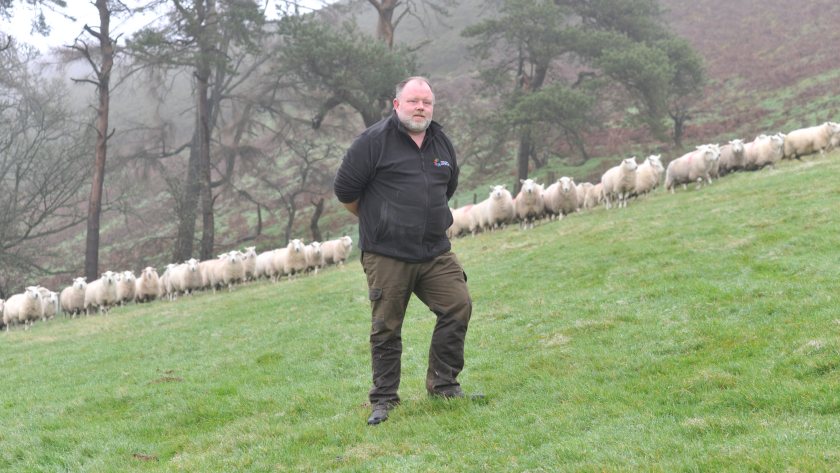
Genetic performance recording is strengthening maternal traits and improving flock efficiency in a Welsh hill system running at up to 1,300ft.
College Cambria Llysfasi, near Ruthin, grazes 120 pure Welsh Mountain ewes on mountain ground ranging from 1,000 to 1,300 feet, where harsh winters demand hardiness, sound structure and strong mothering ability.
At that altitude, resilience and the ability to rear lambs with minimal intervention are essential, making breeding decisions a key driver of long-term performance.
The college joined the Farming Connect Welsh Sheep Genetics Programme in 2023, introducing structured performance recording and genetic indexes to support selection for maternal ability, growth and carcase traits.
Although breeding progress takes time, measurable gains are already being seen. By removing the bottom 20% of performers, the hill flock index has risen from £13 to £16.24, reflecting stronger overall genetic potential.
Historically, triplet-bearing ewes were lambed indoors, increasing housing and labour costs. But improved maternal performance has given shepherd Alun Jones the confidence to lamb them outside on the hill.
“The ewes are holding their body condition better, we haven’t had any problems with lambing them outdoors and they keep their lambs very well,” he said.
Losses have reduced across the flock, with far less need for intervention.
“We are getting fewer losses, no mismothering, and there is less intervention needed – in the 2025 lambing season we only needed to assist two ewes out of 120,” he added.
Llysfasi runs 600 ewes in total, including Welsh Mountain crosses with Abertex and mule ewes crossed with Beltex or Texel rams. The pure Welsh Mountain flock had previously been reduced, but its value within the hill system prompted a rebuilding of numbers.
Farm manager Dewi Jones said joining a benchmarking group helped sharpen selection decisions.
“As we were rebuilding the flock we wanted to gain better ewes so joining a group of farmers who benchmark and record was a good opportunity,” he said.
Performance recording began in October 2023 with tissue sampling, body condition scoring and weighing to establish a clear data baseline.
“At that stage we were creating a baseline of data… we weren’t getting the rigour, the hard evidence,” Mr Jones explained.
Genetic indexes are now guiding decisions on maternal ability, muscle depth and growth rates.
The data is also transforming ram selection.
“This is where the magic happens,” Mr Jones said, explaining that having clear figures at sales gives “power” to selection decisions.
However, he stressed that figures must sit alongside good physical type.
“Some breeders would say that the data is a bonus but you do need both,” he said, adding that performance data helps avoid rams that could take the flock “in the wrong direction”.
The Welsh Mountain ewes lamb from the second week in April and are supplemented only with mineral blocks. Lambs are creep-fed for finishing, sold through Ruthin livestock market and to ABP at 38–42kg liveweight and 17–18kg deadweight.
Looking ahead, the college sees potential to retain or sell high-index ram lambs that might previously have gone for slaughter.
While sheep farming has traditionally been less data-driven than dairy, Mr Jones believes the commercial case is growing.
“The commercial rewards are there for having that data,” he said. “If we don’t do it, how do we improve, and how will we know if we have improved?”




