




EA gets police-style powers to target organised waste crime networks
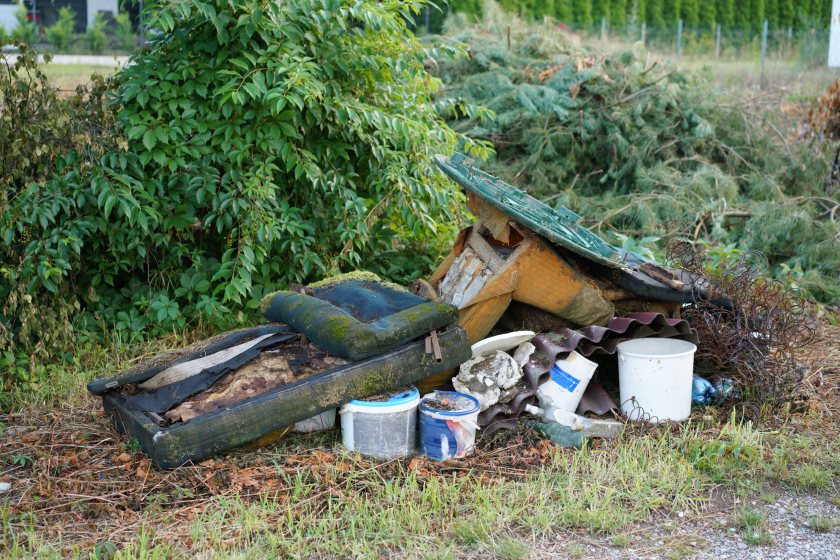
Waste criminals could soon face police-style powers from the Environment Agency under a major government crackdown on illegal dumping and organised crime.
The move comes as the issue continues to cost the UK economy an estimated £1 billion each year, with fly-tipping incidents climbing to 1.26 million in England — a 9% rise on the previous year — highlighting the growing scale of the problem.
Under the proposals, enforcement officers at the Environment Agency would be given expanded powers under key legislation including the Police and Criminal Evidence Act and the Proceeds of Crime Act, allowing earlier intervention, financial disruption and more prosecutions.
Ministers said the changes would put the Environment Agency among a small number of bodies with such authority, signalling that these offences are being treated as serious organised crime.
The announcement comes ahead of a new Waste Crime Action Plan, which will set out a “zero-tolerance approach” to illegal dumping and related offences.
Fly-tipping and illegal waste activity have long been a concern for farmers and rural communities, where large sites and repeated dumping can cause significant disruption, including blocked access, clean-up costs and land contamination.
Defra Secretary Emma Reynolds described the issue as “a disgrace”, warning it damages both the environment and the economy.
She said the government is taking “decisive action” by giving the Environment Agency the “police-like powers they need to stop waste criminals in their tracks and bring those responsible swiftly to justice”.
The plans also include exploring how enforcement bodies can share intelligence with banks and financial institutions, enabling them to make informed decisions about working with businesses linked to illegal activity.
Environment Agency chief executive Philip Duffy said stronger powers must go hand in hand with collaboration.
“Waste crime causes misery across communities,” he said, adding that officers need “as many powers as possible to bring them down”, alongside support from police, local authorities and the public.
Crime and Policing Minister Sarah Jones said fly-tipping is “an attack on our countryside, our communities, and the environment we all share”, adding that the measures will help authorities “crack down on these reckless criminals”.
Legislation will be introduced when parliamentary time allows, as the government steps up efforts to tackle increasingly sophisticated criminal networks operating in the waste sector.
Between July 2024 and the end of 2025, the Environment Agency secured 122 prosecutions, resulting in 10 immediate custodial sentences, and shut down more than 1,200 illegal waste sites.
The Joint Unit for Waste Crime, which brings together agencies including police forces and the National Crime Agency, has expanded to 20 specialists, including former officers, intelligence analysts and financial investigators.
Those caught transporting or dealing with waste illegally can face up to five years in prison.
The measures mark a significant escalation in efforts to tackle organised waste crime, which continues to cause widespread environmental damage and cost the economy billions.




