




Pollen Beetle migration to coincide with green bud
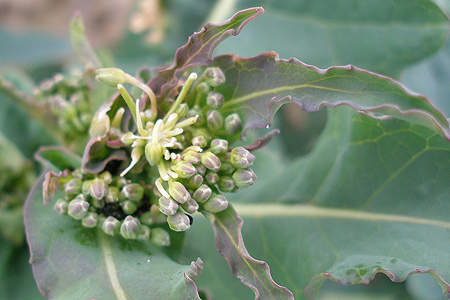
Oilseed rape growers could face intense and potentially more damaging attacks of Pollen Beetle this season, if there is a repeat of experience from previous years, where higher populations at the green bud stage have followed a cold winter.
With delayed crop growth this season, there is an increased risk of Pollen Beetle mass migration coinciding with the crops’ green to yellow bud stage, when flower buds are most susceptible to feeding damage.
Dr Steve Ellis of ADAS highlights that Pollen Beetle populations and migration normally peak during the winter oilseed rape crops’ flowering period, when plants are relatively safe from feeding activity. However, where crop growth is delayed and attacks occur at the green to yellow bud stage the pest could prove far more damaging – as is the experience of growers in Germany and northern France.
He reports the migration of Pollen Beetle typically coincides with pre-flowering stages of spring oilseed rape crops in the UK, which explains why these crops have suffered so badly in the past.
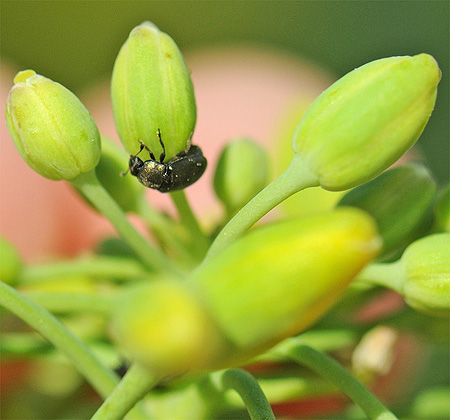
Researchers believe that hard frosts, as experienced this season, could be putting Pollen Beetle into deeper hibernation that conserves their energy, so that more survive to migrate into crop, compared to a mild winter. Dr Sam Cook of Rothamsted Research warns growers will have to be extra vigilant for signs of pollen beetle build up at the green bud stage this year. "The timing of migration into crops is crucial in determining the risk of damage," she added.
Battling resistance
Testing of Pollen Beetle populations has revealed a significant rise in the level and spread of resistance. Last year resistance was shown to have extended from the southern counties, up to Yorkshire, the eastern counties and even up to the borders of Scotland. In tests, over half of beetle populations showed some resistance to pyrethroids, with up to a third showing complete resistance.
This season, for the first time, growers have the option to use Plenum to control Pollen Beetle at the important green to yellow bud growth stage. Syngenta Oilseed Rape Manager, Gary Jobling, advises the key benefit is the control of all Pollen Beetle, including those strains resistant to pyrethroid insecticides that have been the mainstay of control in the past.

Mr Jobling advocates Plenum treatment as soon as treatment thresholds are reached in crops at the green bud stage. "Plenum gives extremely high levels of control at a very cost effective low rate of use. Growers should be mindful of their crops’ plant populations and flowering capability in assessing treatment thresholds and timing this season."
Research has shown that, once some plants in the field come into flower, the beetles are physically attracted to the yellow petals and the open pollen source, so any further flower bud damage will be limited. "Targeting the beetles at the green to yellow bud stage is the crucial factor in protecting flowers and consequently yield," advises Mr Jobling.
"Furthermore, if growers shift away from pyrethroid sprays for Pollen Beetle in the flowering crop, there is a better chance to reduce the risk of resistance spreading and to retain the use of Hallmark Zeon for other pests, such as Pod Weevil and Pod Midge, later in the summer."




