




Rare livestock breeds 'at risk' under new disease control plans
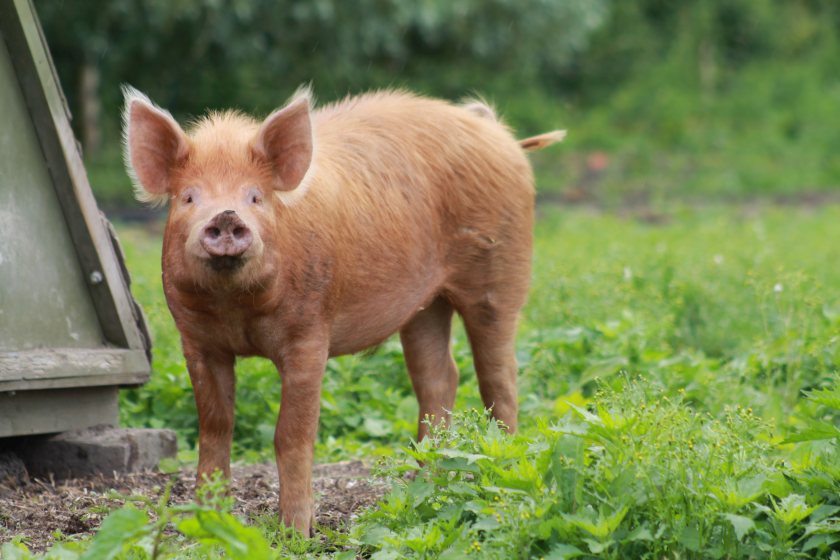
Rare livestock breeds could be left vulnerable to disease outbreaks if smaller herds and flocks are excluded from new government animal health measures, the Rare Breeds Survival Trust has warned.
The charity is urging Defra to ensure proposed disease control rules apply to farms of all sizes, arguing that gaps in protection could have serious consequences for the future of the UK’s native breeds.
RBST said many rare livestock populations remain small but carry significant genetic importance, making them especially vulnerable to disease threats.
The organisation warned that losing native breeds would not only affect conservation efforts, but could also weaken long-term livestock resilience, biodiversity and food security.
The warning comes in response to Defra’s Animal Health and Welfare Pathway consultation, which includes proposals for some farmers to introduce sheep flock health plans and take part in disease control programmes for cattle and pigs.
The consultation forms part of wider government efforts to strengthen livestock health and improve disease resilience across UK farming.
RBST is also calling for the new measures to be introduced in a “risk-based” and proportionate way, particularly for extensive, low-input grazing systems commonly associated with native breeds.
Many smaller native breed farms operate conservation grazing systems with limited intervention, where standardised monitoring or reporting requirements may be harder to apply.
RBST conservation adviser Tracy Wathen-Jones said disease risk should not be judged purely on herd or flock size.
“Many of the UK’s native livestock breeds are sadly rare, with small populations of high genetic significance,” she said.
“The future of these important breeds is put under greater threat by gaps in disease management.”
Wathen-Jones warned that excluding smaller herds or flocks from national schemes could reduce the effectiveness of wider disease prevention efforts.
“Disease risk is not determined solely by scale, and excluding smaller herds or flocks could undermine the effectiveness of national disease control,” she said.
The charity said a coordinated national approach could deliver major long-term benefits for animal health, farm productivity and trade confidence.
However, RBST stressed that any new requirements must work across the wide range of farming systems found across the UK, including conservation grazing and low-intervention native breed farms.
Wathen-Jones also cautioned against creating unnecessary paperwork for farmers.
“Defra must also ensure that requirements such as data reporting are proportionate, meaningfully supporting disease control and welfare improvement rather than unnecessarily increasing the administrative burden,” she said.
RBST added that protecting a diverse range of livestock systems would remain essential for long-term agricultural resilience and environmental delivery.
The charity warned that native breeds and smaller-scale farming systems would continue to play a key role in supporting biodiversity, conservation grazing and the future resilience of British agriculture.




