




Rural campaigners fear Dartmoor pony herds could be cut
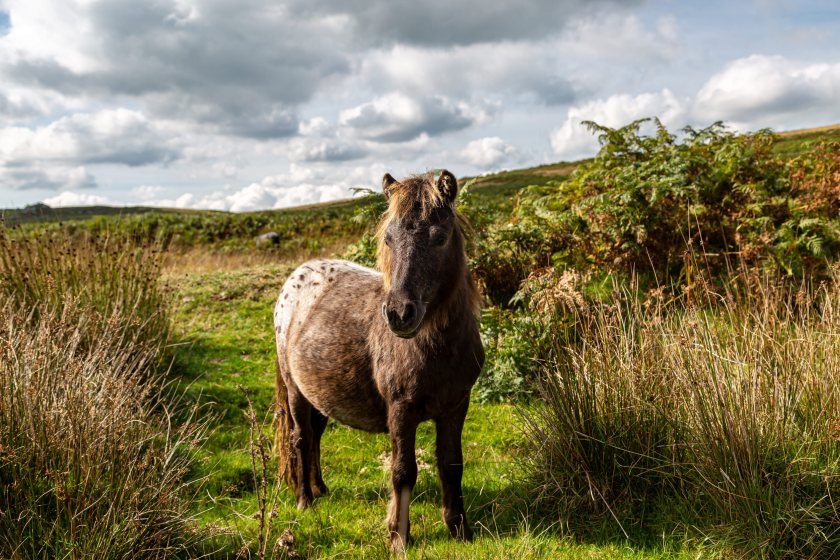
Dartmoor commoners could be forced to choose between farm viability and protecting endangered hill ponies under new grazing agreements, campaigners have warned.
Opponents claim new contracts from Natural England could sharply reduce livestock grazing on Dartmoor’s commons, including semi-wild ponies.
They say the changes could result in the removal, and possible cull, of up to 90% of Dartmoor hill ponies.
Natural England said it wanted to maintain numbers of semi-wild ponies on the moor “for generations to come”, while Downing Street said the government would not allow a cull.
Dartmoor hill ponies have been part of the landscape for thousands of years, but numbers have fallen sharply.
There were around 6,000 ponies on Dartmoor 25 years ago, compared with fewer than 1,000 now.
The row centres on Natural England’s new moorland agri-environment schemes, which pay farmers to graze upland areas in ways intended to benefit nature.
Under the proposals, ponies are being included in livestock counts alongside sheep and cattle, which campaigners say could force commoners to reduce numbers in order to stay within grazing limits.
Commoners are farmers with rights to graze livestock on Dartmoor’s commons, with pony herds traditionally managed alongside sheep and cattle.
Campaigners say the remaining hill pony herds depend on those farming businesses remaining viable.
The Dartmoor Hill Pony Association said the approach risked forcing commoners to choose between commercial livestock and the ponies they have traditionally protected.
Campaigners have warned that the new schemes could cut livestock, including hill ponies, by between 56% and 89%.
Joss Hibbs, secretary of the Dartmoor Hill Pony Association, told the BBC the loss of the ponies would be damaging for Dartmoor’s biodiversity.
She said the ponies were important grazers of Molinia grass, which has come to dominate parts of the moor.
Supporters of the breed say the ponies help manage vegetation and shape upland habitats.
Ms Hibbs told the broadcaster: “Natural England's approach will devastate the Dartmoor hill pony population, it will make farms financially unviable and it's extremely doubtful there will be any environmental benefit.”
The Devon-based Friends of the Dartmoor Hill Pony charity has called for long-term legal protection for the remaining herds.
It also wants a separate agreed moor-wide herd size, similar to arrangements included in previous contracts.
Campaigners have urged Natural England to wait for the outcome of the Land Use Management Group, which is drawing up a land use plan for Dartmoor by 2027.
The issue has also prompted political criticism, with Conservative leader Kemi Badenoch calling the situation “total madness”.
A Defra spokesperson said the government was working with partners, including the Dartmoor Hill Pony Association, following the Independent Review of Protected Site Management on Dartmoor.
The spokesperson said the aim was to ensure semi-wild ponies remain on the moor “for generations to come”.
Campaigners say the key issue is whether future schemes will recognise ponies separately from commercial livestock, allowing commoners to keep viable farm businesses while maintaining the herds.




