




Sector remains disagreed on need to move away from purely preventative antibiotic use
The Alliance to Save our Antibiotics and the Food Research Collaboration co-hosted a roundtable on farm antibiotic use.
The event was held to consider the major barriers blocking progress in this area, and to identify the actions and interventions required to overcome them.
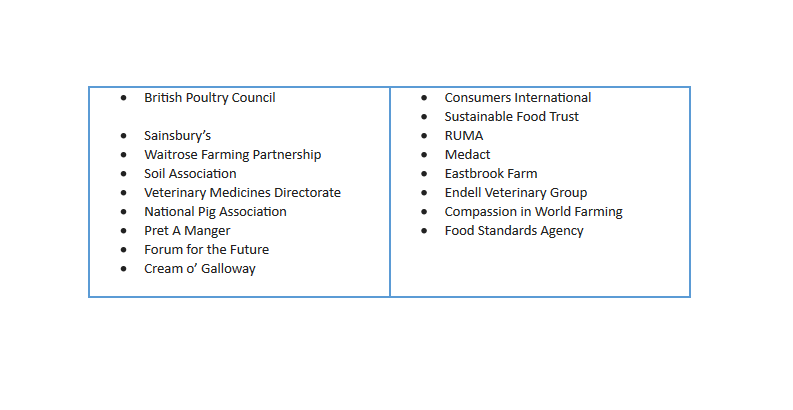
The discussion was chaired by City University’s Professor Tim Lang, and brought together 26 experts from across the organic and non-organic livestock and veterinary industries, civil society and animal welfare organisations, retail and foodservice sectors, and policy and human health representatives.
The roundtable marked a ground-breaking convening of stakeholders with a long history of disagreements about the extent of farm antibiotics use, whether it is a problem, and if so, the best way of tackling it.
While there is wide consensus that the UK farming industry needs to move away from practices such as the routine preventative mass-medication of groups of animals, there is still disagreement about specific steps recommended by the Alliance to Save our Antibiotics, such as the reducing or ending the use of last resort antibiotics for human medicine - Fluoroquinolones in poultry, for example.
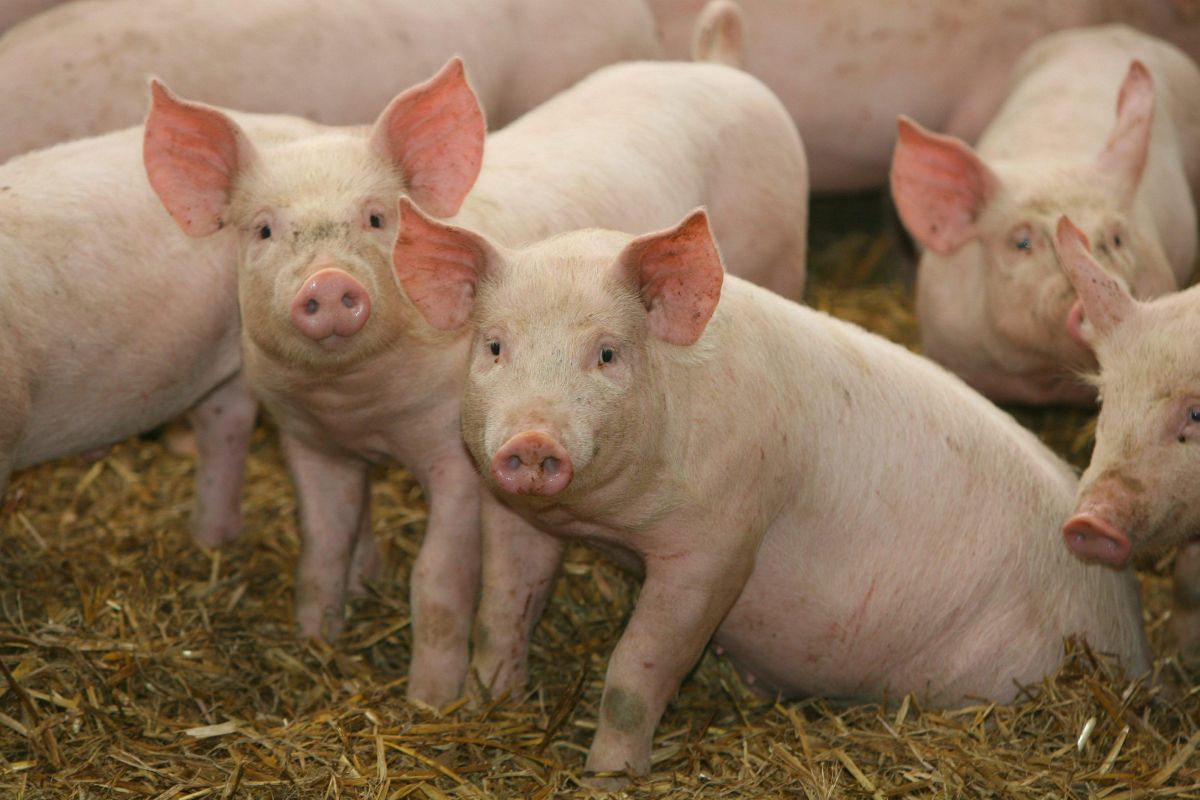
Industry representatives pointed to significant recent reductions in antibiotic use in poultry and suggested that the pig industry, currently the largest consumer of farm antibiotics, may also be on the cusp of reducing its use.
Suggestions that changing certain practices linked to more intensive farming systems, such as later weaning of piglets, were, however, dismissed by some participants.
There remains some disagreement on the need to move away from purely preventative antibiotic use.
Mark White, due to become president of the Pig Veterinary Society in 2017, recently referred to purely preventive use of antibiotics as ‘necessary to prevent suffering’.
Whilst NFU livestock chairman Charles Sercombe said that the UK industry wide target of reducing levels to 50 mg per kg by 2018 was ‘totally unachievable for the wider industry’ and ‘totally devoid of evidence’ - comments dismissed by some roundtable participants as out-of-step with wider industry opinion.
Gywn Jones, Chairman of RUMA said: "I do believe that understanding the issues and co-operation in finding common ground is the solution to this challenge – and we made good progress yesterday."
'Sea change in thinking'
Emma Rose, from the Alliance to Save our Antibiotics said: "The discussion showed that there has been a sea change in thinking.
"However, translating this into ambitious action still represents a major challenge. Many are already demonstrating that it’s possible to farm with far less antibiotic use.
"We must focus on highlighting, researching and scaling-up these alternative approaches, rather than spending our time fighting old battles".
Professor Tim Lang said: "AMR has long been on the horizon. The evidence and scientific concerns have been clear for decades.
"At last the food industry, particularly the meat industry, is alive to the consequences. The public health world is, too.
"Politicians who need to lead the change are slowly engaging. This seminar was further proof that, after decades of policy failure, we are now seeing real engagement on the AMR issue in the farming and veterinary sectors.
"It is now imperative, given the uncertain political climate, that progress is not halted.
"Safeguarding our antibiotics must be at the heart of a new people’s food plan which seeks to protect environmental and human health."




