




Sheep farmers warned over parasite in pregnant ewes
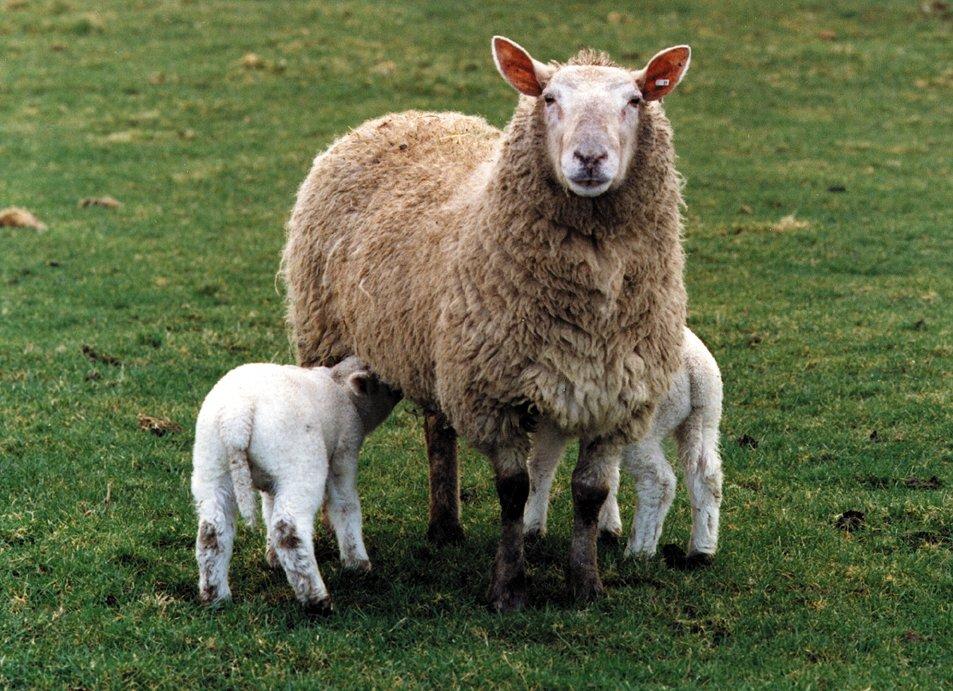
UK sheep producers should 'assume' their flock has been exposed to a parasite that causes toxoplasmosis and aim to protect young ewes, according to vets.
Toxoplasma gondii is apparently the world's most common parasite.
It has been estimated that over 90% of sheep flocks in England, Scotland and Wales have had some exposure to it.
Sheep producers who are not already vaccinating against it should assume it's only a matter of time before new ewes succumb to an infection.
The disease can also cause abortion and weak lambs.
"If you've had more than 2% of your flock aborting during the 2017 lambing season you should ask your vet to investigate while the issue is still in the front of your mind," said Dr Fiona Lovatt from Flock Health Limited.
"Now is the time to work out what caused this year’s problems with a view to avoiding similar next year.
"But your real focus should be on preventing infection in pregnant ewes in the first place and the best way to do that is to vaccinate replacement ewes well before they go to the ram."
Vaccination
The complex Toxoplama gondii parasite lifecycle presents significant disease management challenges to sheep producers.
The sheer volume of infectious oocysts produced by the parasite and their resistance to destruction leads to widespread environmental contamination.
According to MSD Animal Health livestock veterinary adviser Stephanie Small, this is one of the main reasons why toxoplasmosis is so prevalent in GB flocks.
"Sheep are very vulnerable to picking up the toxoplasma parasite from the environment, so normal biosecurity measures are not enough to control the disease.
"Fortunately, toxoplasmosis can be controlled effectively by a simple vaccination regime.
"What's more, an investment in vaccination will payback handsomely by a reduction in future flock barren and abortion rates.
"The clear industry advice now is that every ewe should have been vaccinated before it breeds, but we estimate that less than one in five female flock replacements actually get protected before they go to the ram for the first time."
Intervention
Ms Small points out that ewe lambs can be vaccinated from five months of age.
Shearlings and older ewes can be vaccinated anytime between four months and three weeks before tupping.
"Immediately post lambing and up until the typical autumn breeding season there’s a very wide window of opportunity to vaccinate most female breeding sheep against toxoplasmosis, so it makes sense to schedule this crucial intervention as soon as possible, alongside other routine summer procedures.
"Correct pre-tupping vaccination will protect ewes for two breeding seasons," she says.
Farmers needing a differential diagnosis for the cause of any abortion issues during the 2017 lambing season should contact their vet for advice as soon as possible.




