




Spore Scout results reveal widespread light leaf spot
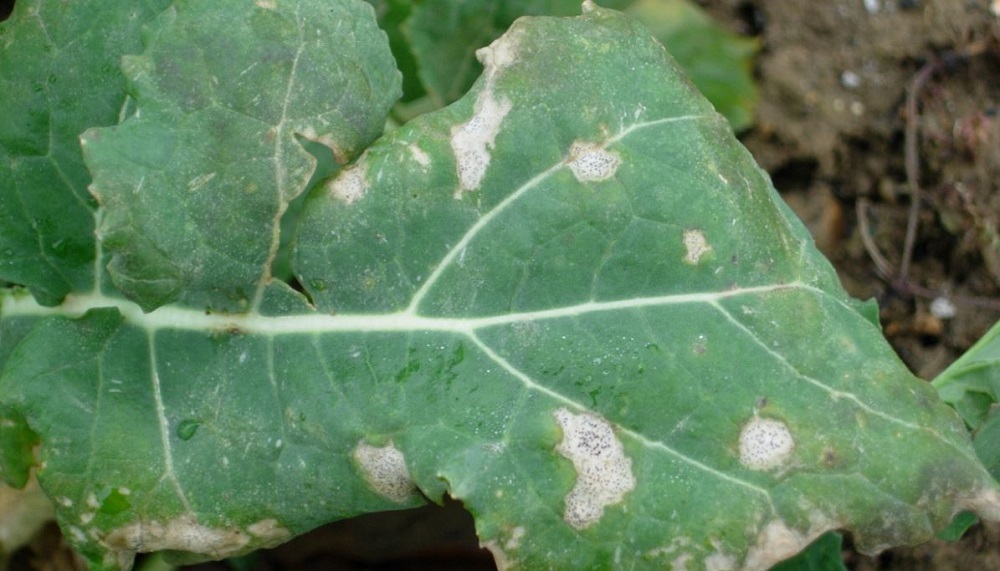
Severe light leaf spot symptoms found in oilseed rape crops across the UK have strengthened calls for growers to prioritise genetic resistance when choosing varieties for next season.
Early findings from the farmer-led Spore Scout campaign show widespread and often severe symptoms of light leaf spot in OSR crops.
Researchers said Scottish samples generally showed higher disease pressure, but some English samples also showed significant levels of infection.
The campaign forms part of the £2.5m Defra-funded LLS-ERASED project, which is working to improve understanding and management of the disease.
Growers and agronomists were asked to send oilseed rape leaf samples to scientists at the University of Hertfordshire, who assessed disease severity before incubating the samples to encourage the pathogen to produce spores for further testing.
Professor Yongju Huang, professor of plant pathology, said the early results showed growers should not underestimate the disease when selecting varieties for the 2026-27 season.
She said: “We have seen severe light leaf spot symptoms on many of the leaf samples submitted through the Spore Scout campaign. Overall, the Scottish samples showed higher levels of disease pressure than those from England, although there were some interesting exceptions.”
One notable finding involved the cultivar Crusoe, where disease levels recorded in Edinburgh were similar to those seen in samples from Cirencester.
Prof Huang said: “Traditionally, we have associated the most severe light leaf spot pressure with Scotland, but these findings suggest significant disease levels are now being seen much further south as well.
“This highlights how disease pressure can vary between seasons, varieties and locations, and reinforces the importance of growers looking carefully at resistance ratings when making variety choices.”
Researchers said the findings underline the importance of using varieties with stronger resistance ratings to help reduce disease pressure and improve crop resilience throughout the season.
The work will also help build a clearer picture of how pathogen populations vary between regions and how current varieties perform under field conditions, with the findings arriving as growers begin planning for autumn 2026 drilling.
Prof Huang added: “As growers start thinking about drilling plans for autumn 2026, these findings are a timely reminder that genetic resistance remains one of the most important tools for managing light leaf spot.
“Choosing varieties with good resistance can help reduce disease pressure and improve the resilience of crops throughout the season.”
Around 65% of the leaf samples received produced enough spores for researchers to isolate the pathogen for further testing.
Scientists are now working to establish pathogen isolates, which will later be tested as part of the wider three-year project.
The results are expected to support future disease forecasting and management strategies for light leaf spot.
Tom Allen-Stevens, Oxfordshire farmer and managing director of the British On-Farm Innovation Network, which leads LLS-ERASED, said growers’ involvement had been vital.
He said: “The response from growers to the first year of our Spore Scout campaign has been hugely valuable. Every sample submitted is helping build a clearer picture of how light leaf spot is developing across the country.
“We will be repeating the campaign again in spring 2027 and 2028 to develop our knowledge of this devastating disease further.”
LLS-ERASED is funded by Defra’s Farming Futures R&D Fund and led by BOFIN.
The project brings together farmers, plant breeders, crop scientists and agronomists to tackle light leaf spot using precision breeding alongside improved disease-management tools.
The project aims to support future disease forecasting, variety selection and light leaf spot management strategies.




