




Turkey farmers face tougher welfare rules under RSPCA update
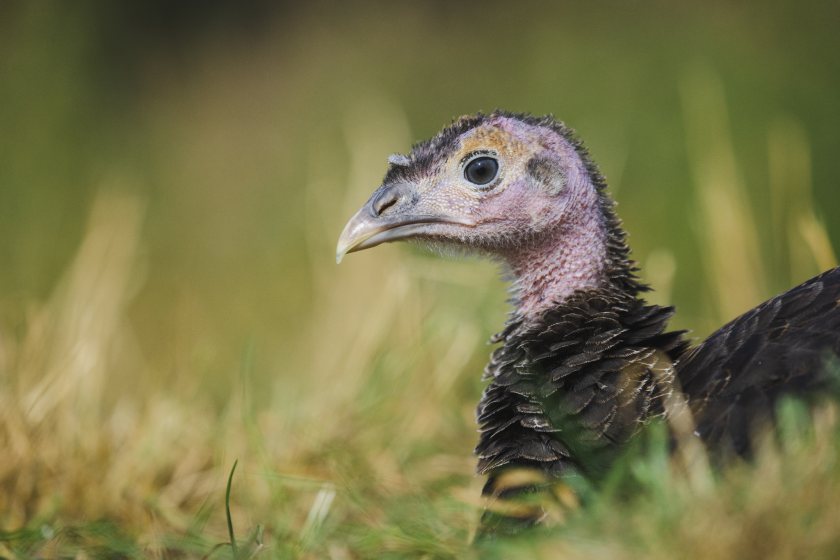
Turkey farmers supplying the RSPCA Assured scheme will face stricter welfare requirements under updated standards aimed at strengthening bird welfare across housing, transport, enrichment and disease management.
The revised standards, which come into force on 17 August 2026, are designed to improve conditions throughout a turkey’s life while pushing higher welfare production standards across the sector.
Members were formally notified of the changes this week following the organisation’s standard three-month notification period.
The updates come as poultry producers face increasing pressure from retailers, consumers and welfare groups to strengthen welfare standards, particularly following recent avian influenza outbreaks and ongoing scrutiny around bird handling, transport and slaughter practices.
A major focus of the revised standards is disease preparedness.
Farms will now be required to have formal contingency plans in place for mass culling during disease outbreaks such as avian influenza, reflecting growing concerns around resilience and emergency planning within the poultry sector.
The changes also tighten handling and transport rules.
Birds weighing more than 5kg must now be carried upright, while the RSPCA said it is encouraging more upright handling methods for smaller birds as well.
New slaughter guidance covering electrical stunning has also been introduced, with slaughterhouses now required to have a back-up killing method available.
Housing and flock management requirements are also being strengthened.
Non-permanent structures such as polytunnels will now need independent site suitability surveys alongside tougher maintenance and safety checks.
Additional guidance has also been introduced for periods when free-range birds must be temporarily housed indoors.
For younger birds, new feeding space requirements have been introduced for poults kept in ‘brood and move’ systems, together with updated drinker guidance.
The standards place greater emphasis on enrichment and bird engagement, with farms expected to provide a broader range of rotating materials designed to encourage natural behaviours and keep flocks stimulated.
Examples include pecking blocks, brassicas and hanging objects, with producers expected to monitor and regularly rotate items to prevent birds losing interest.
Some producers may need to review housing systems, handling methods and enrichment management ahead of the 2026 deadline as part of wider welfare planning.
Chloe Pate, scientific and policy officer at the RSPCA, said the revised standards were intended to deliver “impactful welfare improvements” across UK turkey farming.
“These science-based changes will give turkeys a more stimulating environment, clearer welfare safeguards during transport and slaughter, and stronger protections during disease outbreaks,” she said.
The updated standards also include expanded advice sections, known as “iboxes”, aimed at helping producers understand possible future welfare expectations and prepare ahead.
Ms Pate said the guidance would help both new and existing members stay ahead of potential future changes while offering practical advice from welfare experts.
She stressed that the latest revisions represent additions and updates to the existing standards rather than a completely new rulebook.
“The full standards, including these updates, will be published in August,” she said.
RSPCA Assured said support would be available for farmers needing help to meet the revised requirements.
Izzy Candy, head of farming and technical engagement at RSPCA Assured, said producers seeking advice should contact the organisation’s farming and technical engagement team.
The revised standards will apply from August 2026, giving turkey producers just over a year to assess housing, handling and welfare systems before the changes take effect.




