

UK milling wheat quality hits record high despite drought-hit harvest
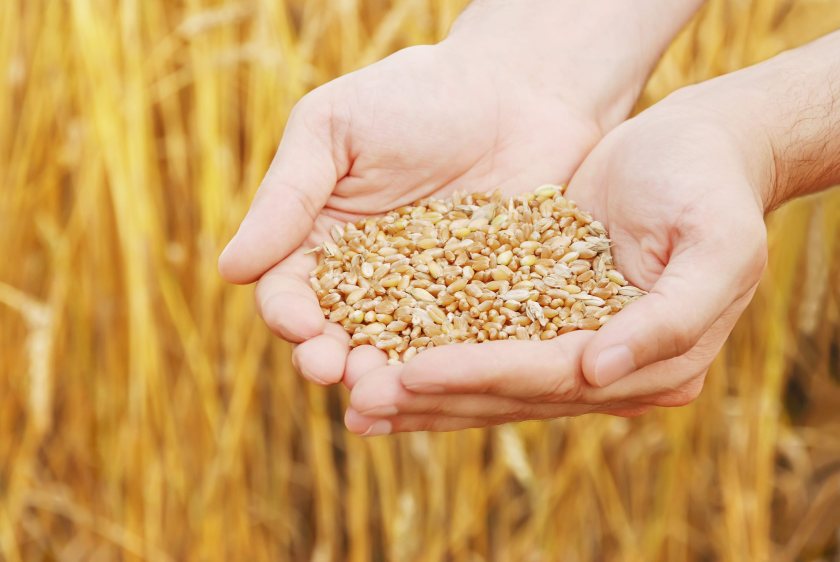
A record 79% of Group 1 milling wheat samples have met quality standards in 2026, but drought-hit yields and squeezed premiums have left many growers facing a difficult harvest.
AHDB's latest Cereal Quality Survey reveals exceptional grain quality, with protein levels reaching their highest point in four decades.
The proportion of Group 1 wheat samples meeting typical milling specifications reached 79%, comfortably surpassing the previous record of 52% set in 2003.
However, the strong results contrast sharply with disappointing yields, following prolonged dry conditions across much of the UK.
AHDB's final harvest report recorded average winter wheat yields of 6.9 tonnes per hectare across surveyed farms, around 11% below the national five-year average.
Yields ranged from just 3.9t/ha to 11.5t/ha, highlighting significant differences between farms and growing regions.
Helen Plant, AHDB's lead analyst for cereals and oilseeds, said: "Average yields only tell part of the story."
She highlighted how soil type, drilling dates, previous cropping and moisture availability had contributed to substantial differences in crop performance.
Despite the disappointing yields, milling wheat quality has reached unprecedented levels.
Average protein content for Group 1 varieties climbed to 13.8%, up from 13.4% in 2025 and the highest recorded since the series began in 1986.
The figure was also comfortably above the typical milling requirement of 13%, with 83% of samples meeting that threshold.
Other quality measures were equally strong, with average specific weights reaching 81.4kg/hl, compared with 77.8kg/hl last year.
Hagberg Falling Numbers, an important measure of wheat's suitability for milling and baking, averaged a record 360 seconds for Group 1 varieties.
The exceptional results follow the UK's hottest summer on record, with England and Wales also experiencing their driest July.
AHDB said the combination of reduced yields and above-average sunshine likely contributed to higher protein concentrations, while the largely dry harvest helped preserve grain quality.
However, the abundance of milling-quality wheat presents another challenge for growers hoping to secure stronger prices.
With significantly more domestic wheat meeting flour milling requirements, alongside strong global supplies, milling premiums have come under considerable pressure.
The improved quality is also expected to reduce Britain's need for imported bread-making wheat during the 2026/27 season, with more of the domestic crop suitable for flour production.
The financial pressures come after another difficult growing season for many arable businesses, particularly those already struggling with high production costs.
AHDB cereals and oilseeds director Anthony Hopkins warned that "arable farmers in the worst-affected areas are really feeling the financial pressure right now."
The findings highlight the contrasting fortunes of the 2026 harvest, with record grain quality offering limited reassurance to growers facing lower yields and weaker milling premiums.
With more British wheat meeting milling specifications, growers could face continued pressure on premiums despite producing some of the highest-quality grain recorded in four decades.
The full findings and datasets are available through the AHDB's 2026 Cereal Quality Survey.