

Wales urged to prove badger vaccination is cutting cattle TB
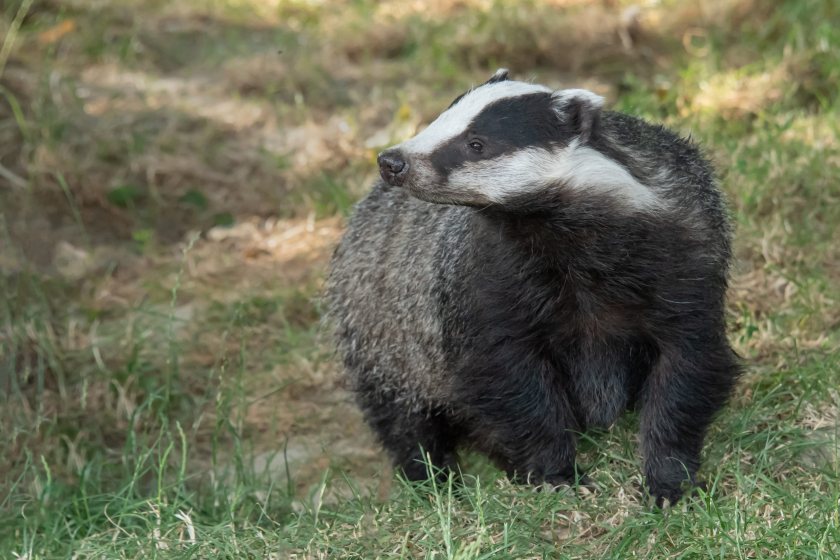
Wales needs stronger evidence that badger vaccination is reducing bovine TB in cattle, researchers have warned, despite clear evidence that the vaccine protects badgers themselves.
A new policy brief from Aberystwyth University, Cardiff University and the British Ecological Society’s Welsh Policy Group says current programmes need better monitoring, longer-term evaluation and stronger involvement from farmers and vets.
The researchers say key gaps remain around how many badgers are actually being vaccinated, whether high coverage leads to lower cattle disease levels, and how programmes can be targeted more effectively.
Dr Niall McKeown, lecturer in the Department of Life Sciences at Aberystwyth University and vice-chair of the British Ecological Society’s Welsh Policy Group, said: “What Wales needs now is not simply more vaccination, but vaccination that is better targeted, measured and evaluated.”
Badger vaccination already forms part of Wales’s wider bovine TB eradication programme.
Research cited in the policy brief shows vaccination can reduce the risk and severity of infection in badgers, as well as their infectiousness.
Modelling studies also suggest vaccination could help reduce disease transmission over time if enough animals are reached and the programme is combined with effective cattle controls.
However, the authors say evidence that operational vaccination programmes are reducing disease in cattle remains limited.
Dr McKeown said: “There is strong evidence that BCG vaccination protects badgers, but evidence that operational vaccination programmes reduce disease in cattle remains limited.”
BCG, or Bacillus Calmette–Guérin, is the vaccine used in badger vaccination programmes.
He said any benefit for cattle was likely to depend on vaccination being sustained over time and reaching a sufficiently large proportion of the badger population alongside effective cattle controls.
The policy brief identifies three main priorities for improving the strategy.
The first is better data on local badger populations and vaccination coverage, using methods such as sett surveys, camera traps, GPS tracking and non-invasive genetic monitoring.
Researchers say this would help establish how much of the badger population is actually being reached and where gaps remain.
The second priority is to link vaccination coverage with cattle outcomes over several years.
That would include measures such as herd incidence, the duration of TB breakdowns and recurrence rates in areas with high vaccination coverage compared with similar unvaccinated areas.
Dr McKeown said: “Those coverage data should then be linked to multi-year measures of cattle outcomes, including herd incidence, breakdown duration and recurrence.”
The authors say this would help distinguish between programmes that are not reaching enough badgers and vaccination that is being delivered well but having a genuinely limited effect on cattle disease.
The third priority is stronger engagement with farmers and veterinary professionals.
The policy brief calls for clearer communication, more locally relevant evidence and greater opportunities for farmers and vets to help shape how vaccination programmes are delivered.
Researchers argue that stronger involvement from those working directly with cattle could improve confidence in vaccination and make it easier to assess whether it is delivering meaningful benefits.
Dr McKeown said: “Bovine tuberculosis remains one of the biggest animal health challenges facing Wales, with serious consequences for farmers, livestock and rural communities.”
He also warned against treating badger vaccination as a single solution to the disease.
“Badger vaccination should not be presented as a stand-alone route to eradicating bovine tuberculosis,” he said.
The authors argue it should remain part of a wider package of measures that includes cattle testing, movement controls, disease surveillance and improved farm biosecurity.
The policy brief was produced by the British Ecological Society’s Welsh Policy Group to inform ongoing discussions over the future of bovine TB control in Wales.