




Welsh farms hit by 'perfect storm' of costs and weak milk prices
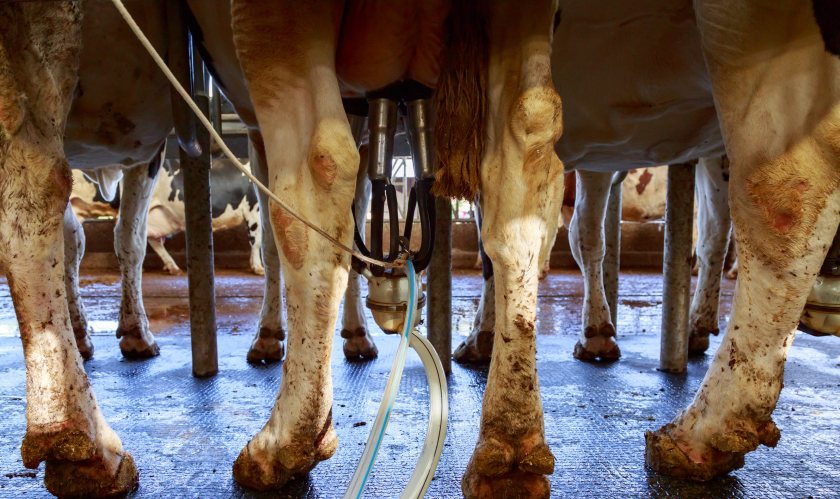
Welsh dairy farmers are facing a deepening cashflow squeeze as soaring fertiliser and fuel costs collide with weak milk prices, the Farmers’ Union of Wales has warned.
The union said farm businesses were being hit by global energy volatility, rising overheads and depressed farmgate returns.
It warned that many producers were now facing growing uncertainty over their financial viability in the months ahead.
The FUW has held talks with major lenders, including HSBC and NatWest, over the pressures facing the agricultural sector.
Discussions have focused on cashflow support, lending flexibility and overdraft arrangements for farm businesses.
The union is urging farmers not to wait until financial problems become acute before speaking to banks, accountants or advisers.
The warning comes amid escalating geopolitical tensions in the Gulf, where concerns over the security of the Strait of Hormuz have added to volatility in global energy markets.
The Strait of Hormuz is a key shipping route for energy supplies, and disruption can feed through into oil, fertiliser and fuel markets.
The FUW said fertiliser prices had risen by as much as 53% compared with pre-conflict levels.
It also warned that red diesel costs had effectively doubled in recent months.
At the same time, many dairy farmers are continuing to deal with weak milk prices.
The Welsh-language version of the union’s statement said milk prices had fallen by more than 7p per litre between September and December 2025.
The FUW said this had left many producers operating below the cost of production.
The union warned that the situation could intensify further as the spring flush approaches.
The spring flush, when seasonal milk production rises, can increase supply and place further downward pressure on prices.
The FUW said this could put additional strain on farm cashflow at a time when input costs remain high.
Recent analysis from the Central Association of Agricultural Valuers has also warned that tightening global oil markets could reach a tipping point in early June.
The FUW said the sharp rise in fuel and fertiliser prices showed how vulnerable farming systems were to energy market shocks.
For Welsh dairy businesses, the combination of global instability, rising operating costs and weak returns is creating a severe margin squeeze.
FUW president Ian Rickman said farmers were being hit by factors beyond their control.
“Welsh farmers are currently facing a perfect storm of international instability and soaring input costs,” he said.
“The sharp increases we are seeing in fertiliser and fuel costs are placing enormous pressure on farm businesses at a time when many dairy farmers are already producing milk below the cost of production.”
Mr Rickman said the challenges were having a direct impact on family farms and rural communities across Wales.
“These challenges are completely outside farmers’ control, yet they are having a direct and immediate impact on the viability of family farms and rural communities across Wales,” he said.
He urged farmers to seek support as early as possible if they were facing difficulties.
“It is therefore vital that farmers speak openly and early with their banks and professional advisers if they are facing difficulties,” he said.
The FUW said its recent meetings with major banks had been constructive.
Mr Rickman said it was encouraging that lenders recognised the exceptional circumstances currently affecting agriculture.
“Flexibility and understanding will be crucial in helping viable farm businesses navigate this period of uncertainty,” he said.
The union said many lenders understood the external pressures affecting the industry and remained willing to work constructively with farm businesses.
It said early engagement with lenders could be crucial for otherwise viable farms facing short-term cashflow difficulties caused by global volatility, rising input costs and weak dairy returns.




