




Whisky demand slowdown hits Scottish barley growers
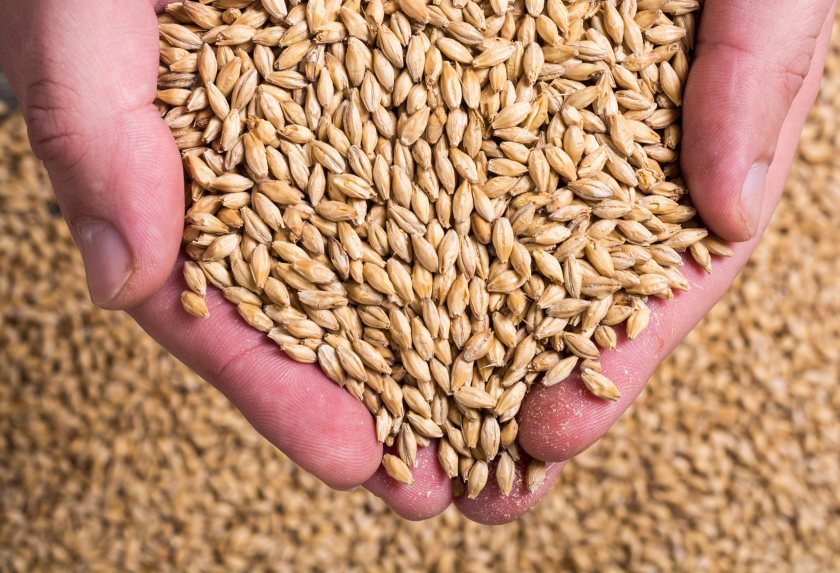
Scottish arable farmers are facing uncertainty over 2026 malting barley contracts as weaker whisky demand reduces intake requirements across the supply chain, according to analysis by Savills.
Maltsters are signalling lower demand for spring barley, while some contract offers are being delayed.
That is leaving growers with difficult decisions over rotations, margins and cropping plans for the 2026 harvest.
The Savills analysis said the pressure follows a slowdown in demand from distilleries.
With consumers drinking less alcohol, demand for whisky and other spirits has weakened, and the impact is now feeding back to farm level.
Many growers rely on malting premiums to make spring barley stack up financially.
Without those premiums, margins can tighten significantly.
A recent cut in China’s import tariff on Scotch whisky, from 10% to 5%, could offer some longer-term support to the wider whisky supply chain.
The change is estimated to be worth £250 million to the UK economy over five years.
However, Savills said it is unlikely to ease immediate contract pressure for growers.
Last season’s quality issues have added to the challenge.
Unusually high levels of skinnings, where the barley husk detaches during harvest or handling, led to inconsistent malt performance and higher rejection rates.
The issue prompted some maltsters to reduce intake of affected batches.
For growers, deductions and rejections created further financial pressure at an already uncertain time.
Scotland has long been a dominant producer of malting barley, supported by a climate suited to high-quality, low-nitrogen crops.
Its proximity to distilleries has also helped reduce haulage costs and support local supply chains between growers, maltsters and distillers.
That close relationship has traditionally provided a degree of stability.
But when demand slows in one part of the chain, the effect can quickly move back to growers.
The uncertainty around 2026 contracts is now raising questions over whether spring barley can remain a core crop on some farms.
Alternative markets, including feed barley, are unlikely to offer comparable returns.
In some cases, feed barley options may be loss-making and are not able to absorb the same volumes at similar prices.
Wider export uncertainty is also adding to the pressure.
The analysis said there were indications that global demand had softened, including in markets such as the United States, where tariffs and changing consumption patterns may be affecting trade.
The market picture is still developing, but it adds another layer of risk for producers planning ahead.
Savills said the result was a sector caught between strong agronomic suitability and weaker market demand.
What happens next will depend on how quickly consumer demand stabilises and how distillers adapt their production plans.
For now, growers are being urged to explore contract opportunities early, stress-test spring barley margins and consider how best to spread risk across rotations.
Scotland’s malting barley sector remains an important part of the rural economy.
But the current pressure highlights how even long-established supply chains can be affected by global shifts in consumption, trade and demand.




