

Britain's abattoir crisis deepens as numbers plunge to just 200
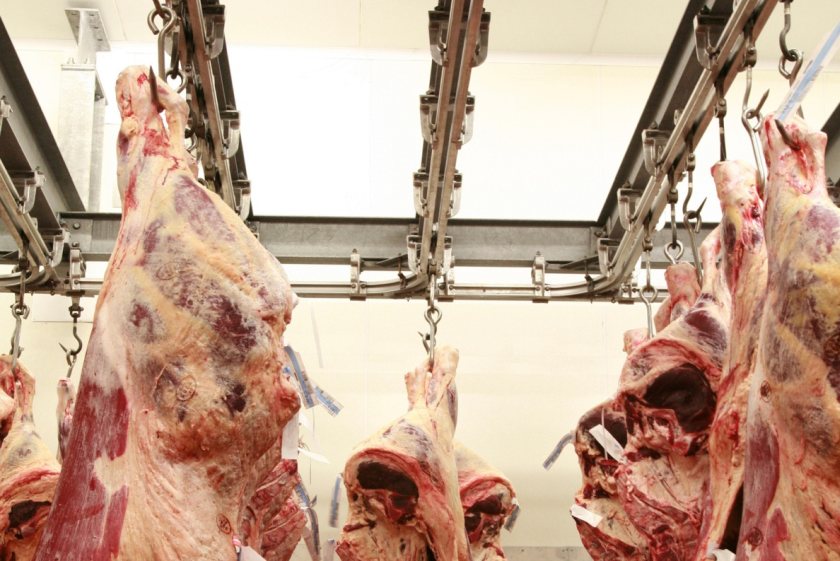
Britain’s abattoir network has shrunk from around 2,500 facilities in the 1970s to approximately 200 today, prompting urgent calls for government intervention to protect livestock farmers and local meat production.
Farming groups have joined more than 150 organisations, businesses and individuals in backing a joint appeal to safeguard the remaining network of small and medium-sized abattoirs.
The coalition is urging the government to recognise local slaughter facilities as essential national infrastructure, warning that further closures could threaten food supply chains, rural businesses and farmers’ access to vital processing services.
The letter calls for an urgent review of regulation and inspection charges, targeted financial support for existing and prospective abattoirs, and greater recognition of local slaughter capacity in economic planning.
It also highlights potential alternatives, including co-operatives, mobile slaughter facilities and public-private partnerships, to help maintain services in rural areas.
The scale of the challenge was highlighted in a 2025 survey of 850 farmers and land managers, which found that two-thirds had experienced difficulties accessing suitable abattoir services.
A third reported that an abattoir they previously used had closed, while 43% said they would no longer be able to sell meat locally if their current facility shut down.
The National Farmers’ Union (NFU) warns that further closures could reduce competition, increase transport costs and leave livestock farmers with fewer opportunities to supply local markets.
Smaller abattoirs often provide specialist services, including private slaughter, cutting and packing, enabling farmers to sell meat directly through farm shops, independent butchers, restaurants and other local outlets.
Without nearby processing facilities, producers can face longer journeys and higher costs, potentially making direct meat sales less viable.
NFU Livestock Board chair Clare Wise said: “Small and medium-sized abattoirs are a vital part of the UK's food supply chain. They provide essential processing capacity for livestock farmers, support local food businesses and sustain jobs and economic activity in rural communities.”
Alongside the decline in facilities, abattoir operators are facing mounting financial pressures from higher energy bills, labour shortages and increasing regulatory costs.
Wise said: “Yet these businesses continue to face significant pressures from the rising cost of official controls, higher energy bills and ongoing recruitment challenges.”
Inspection charges have become a particular concern following substantial increases introduced for the 2026/27 financial year.
The hourly rate for Official Veterinarians rose by 20.8%, from £65.90 to £79.60, while the Meat Hygiene Inspector rate increased by 12.3%, from £43.20 to £48.50.
The NFU has called for an independent review of the Food Standards Agency’s cost structures, workforce management and use of third-party contractors to ensure inspection services operate efficiently and deliver value for money.
It has also raised concerns about proposed changes to financial support for smaller abattoirs, arguing that any revised discount scheme must provide long-term stability without adding to existing cost pressures.
Wise said: “We need a more proportionate and efficient regulatory system, alongside a fair and transparent charging structure for official controls.”
The latest appeal follows continued efforts by the NFU to bring the challenges facing local abattoirs to the attention of policymakers.
In July, the union hosted a parliamentary roundtable involving cross-party MPs and industry representatives, calling for simpler regulation and greater recognition of abattoirs as critical food infrastructure.
The issue was also raised during a recent Public Accounts Committee evidence session on food security, where Professor Neil Ward, from the University of East Anglia, highlighted the need to include abattoirs within critical national infrastructure.
The NFU is continuing to press ministers and regulators for a fairer charging system and targeted support to secure the future of local meat-processing facilities.
With the number of abattoirs continuing to decline, the union warns that protecting the remaining network is increasingly important to maintaining domestic food production and ensuring livestock farmers can continue supplying meat to their local communities.