




Campaign highlights impact of floods on mental health
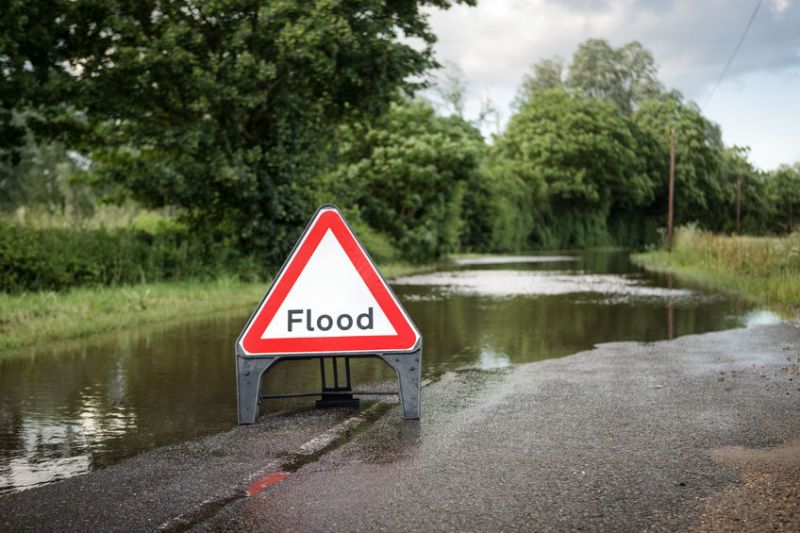
A new campaign has launched to highlight the impact flood damage has on mental health, advising people on the importance of signing up to alerts.
Experiencing damage caused by flooding can increase the chance of facing mental health problems such as stress and depression by 50%.
A quarter of people who have been flooded still live with these issues at least two years after the event.
This is according to research by the Environment Agency this Flood Action Week, as it urges people to be better prepared for potentially devastating impacts.
Flooding can have a negative impact on mental health for several reasons – from the financial repercussions of fixing extensive damage to the loss of sentimental items and the stress it places on victims’ relationships.
It often results in people having to move out of their homes, displacing them from their community for many months.
It follows recent flooding which severely hit the Midlands. Farmers in the region said they experienced the worst rainfall in living memory.
In Lincolnshire, more than 1,000 acres of farmland was flooded and numerous businesses were left unable to work.
Some farmers were unable to finish harvesting crops, such as maize and potatoes, and experienced a severe delay in drilling and sowing winter cereals.
But research shows that taking action to prepare for a flood can reduce damages by around 40% as well as reducing the likelihood of suffering from mental health impacts in the future.
This is why the Environment Agency is calling on those at risk to familiarise themselves with its ‘Prepare, Act, Survive’ guidance .
The guidance aims to help keep people and their possessions safe in a flood.
Caroline Douglass, of the Environment Agency, said: “Anyone who has experienced a flood will know just how extensive the impact can be on their lives.
“It’s not just the financial stress, it’s the loss of irreplaceable sentimental belongings and the strain it can have on those affected.
“We are already seeing more frequent and intense flooding as a result of climate change, so we would urge everyone to know the simple steps to take.”




