

Minister vows to raise farm fly-tipping protection with insurers
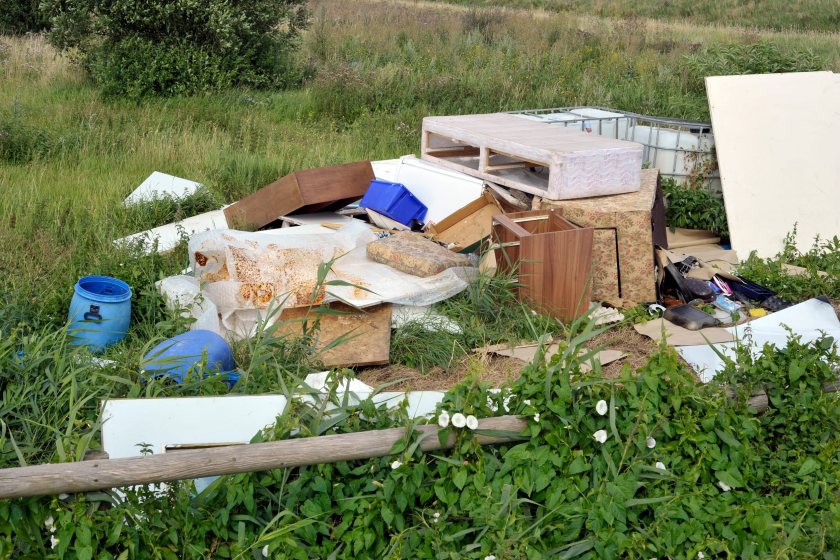
Farmers forced to pay for clearing illegally dumped rubbish could see greater insurance protection explored, after a government minister pledged to raise the issue with insurers.
The possibility was raised in parliament on Thursday 22 October, when Salisbury MP John Glen questioned why agricultural businesses are repeatedly left covering the costs of waste dumped on private farmland.
Defra minister Emma Hardy confirmed she would raise the matter with insurance providers, although no changes to standard farm policies have been announced.
Under existing rules, farmers and other private landowners are generally responsible for arranging and paying for the removal of fly-tipped waste from their property.
This can leave agricultural businesses facing unexpected clearance bills, despite having no involvement in the illegal dumping.
Glen highlighted concerns raised by a constituent about farmers being left to deal with repeated incidents and questioned whether fly-tipping protection could become “part of a routine farm policy”.
Responding during Defra questions, Hardy expressed sympathy for affected landowners and acknowledged the difficulties caused by rubbish being repeatedly dumped on private farmland.
She confirmed that she regularly meets representatives from the insurance industry, having held discussions with insurers the previous week.
Hardy said: “I will certainly raise the issue of how we can ensure that farmers get the support they need”.
The exchange follows a written parliamentary response on 20 October, in which Defra confirmed that insurance products capable of covering fly-tipping clearance costs are already available.
However, the latest discussion focused on whether such protection could become a more routine feature of agricultural insurance policies.
The issue has previously attracted government attention, with ministers telling the House of Lords in April that they intended to work with insurers to examine barriers preventing farmers and landowners from obtaining cover against illegal waste dumping.
The latest parliamentary exchange has renewed questions about what progress has been made towards improving access to this protection.
Farmers affected by fly-tipping must ensure waste is removed and disposed of safely, with additional care needed where hazardous materials are involved.
Government guidance advises landowners to report incidents to the relevant authorities and provide evidence that could help identify those responsible.
Where offenders are successfully prosecuted, courts can order them to reimburse landowners for clearance expenses.
However, recovering these costs can prove difficult when those responsible cannot be identified or brought before the courts.
The government has also strengthened enforcement measures against fly-tipping and is consulting on powers that could require offenders to clear dumped waste or cover removal costs.
Meanwhile, the National Fly-Tipping Prevention Group provides guidance to private landowners on improving security and reducing the risk of further incidents.
Despite these measures, the responsibility for clearing illegally dumped rubbish can still fall on farmers, leaving them exposed to costs arising from criminal activity.
Although Hardy has committed to raising the matter with insurers, no new government-backed scheme or guarantee of routine agricultural insurance cover has been announced.
For farmers facing repeated fly-tipping incidents, the question remains whether discussions with the insurance industry will deliver more accessible protection against costly waste clearance bills.