

MP demands 'sympathy and respect' for Duchy of Cornwall farm tenants
Tenant farmers could face losing their family homes and livelihoods amid plans by the Duchy of Cornwall to sell agricultural land, a senior MP has warned.
Environment, Food and Rural Affairs (EFRA) Committee chair Alistair Carmichael has urged the Prince of Wales's estate to treat affected farmers with "sympathy and respect" amid growing concerns over the proposed sales.
He warned that high land prices and poor farm profitability could leave tenants struggling to purchase their holdings, raising concerns about the future of farming families and agricultural production.
Mr Carmichael said: "It would be deeply regrettable if the outcome of this exercise was to see farming families removed from their homes and agricultural land taken out of food production."
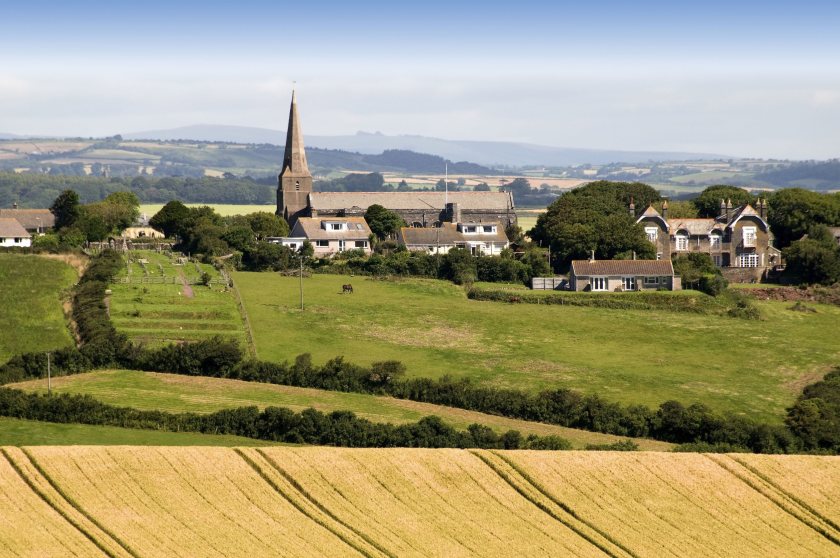
The warning follows reports of proposed sales on the Duchy of Cornwall's 3,000-acre Bradninch Estate in Devon, where nine farming tenants have been affected.
The Tenant Farmers Association (TFA) has warned that up to 40 farm holdings across England could be affected by the wider disposal programme, including properties in Cornwall, Devon, Herefordshire and the Midlands.
The sales form part of a 10-year restructuring strategy involving approximately 20% of the Duchy's property portfolio by value, rather than 20% of its farmland.
The estate plans to redirect investment towards priorities including housing, environmental improvements and rural communities.
Affected tenants are being offered first refusal to purchase their holdings, with discounted terms and flexible arrangements available depending on individual circumstances.
However, the TFA has raised concerns about the handling of the sales, including communication with tenants, property valuations and whether improvements funded by farmers are being properly recognised.
The association has also secured assurances from the Duchy that tenants will not be made homeless through the changes, although uncertainty remains over the future of some farming businesses.
The Duchy has said it is supporting affected tenants individually, including through practical guidance, professional assistance and access to welfare support.
While acknowledging that some tenants may welcome the opportunity to purchase their farms, Mr Carmichael stressed that buying would not be a realistic option for everyone.
"For many tenant farmers the opportunity to buy their farms is a genuine opportunity," he said.
Drawing on his own farming background, the committee chair recalled how his parents had been delighted when they were given the opportunity to purchase land they had previously rented.
However, he warned that the financial pressures facing tenant farmers could make similar opportunities difficult to take up today.
"Even those who want to buy their farms will find it difficult to do so because of the high value of land and the lack of profitability in farming," he said.
Mr Carmichael also stressed that the issue extends beyond agricultural businesses, with many tenants living on the farms they operate.
He said: "That, however, will not be the case for everyone and we should never lose sight of the fact that this is not just about a farm business but also usually a family home."
He called on the Duchy of Cornwall to approach any proposed sales with consideration for the families whose homes and livelihoods could be affected.
The committee chair also raised concerns about the unequal relationship between landlords and tenants, particularly when significant decisions about the future of agricultural holdings are being made.
He urged the estate to ensure that affected farmers and local communities have a meaningful opportunity to express their views without fear of repercussions.
"Every landlord, including the Duchy of Cornwall, should be mindful of the power imbalance between landlord and tenant," Mr Carmichael said.
He added that changes of this scale should be handled in a way that ensures "farm tenants and the community can have their say without fear."