

Native breed farming thrives as turnover rises for seven in ten producers
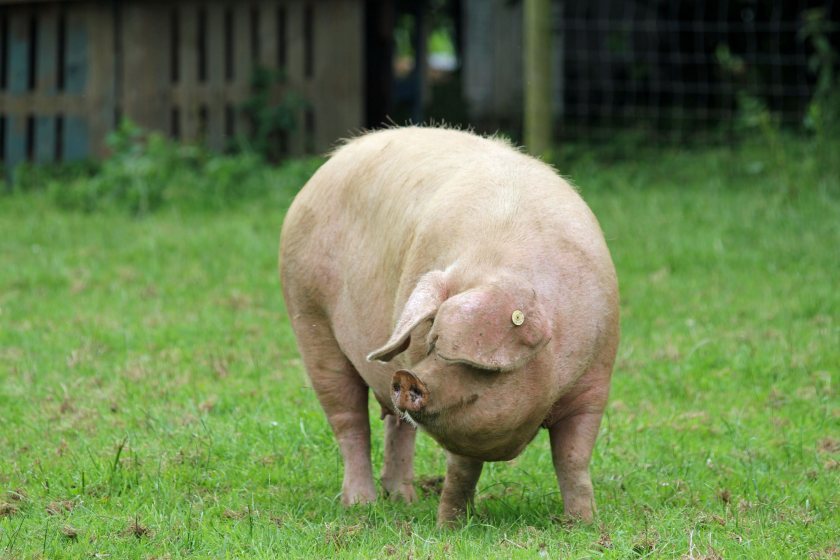
Seven in ten native breed farmers and smallholders surveyed have reported rising turnover over the past five years, despite mounting costs and persistent barriers to business growth.
A new UK-wide survey by the Rare Breeds Survival Trust (RBST) found that 70% of respondents had experienced increased turnover, compared with 57% in its previous survey in 2023.
Confidence in future growth also appears strong, with 87% planning further investment over the next five years, up from 73% in 2023.
Some 94% had already invested in their businesses over the previous five years, including 30% who spent more than £10,000.
Investment has focused on improving livestock facilities, digital marketing, online sales, farm diversification and home delivery services.
The survey also highlighted substantial turnover growth among some producers, with a third of those reporting increases seeing rises of more than 20%.
Meanwhile, 10% of all respondents said turnover had grown by more than 50% over the past five years.
The findings suggest potential cost advantages for native livestock, with 69% of respondents experienced in keeping both native and commercial breeds believing native breeds were cheaper to maintain.
More than half reported lower land-related costs (55%) and reduced spending on feed and supplements (53%), while 49% believed housing and shelter costs were lower.
Native breed meat also appears to offer opportunities for producers targeting higher-value markets, with 43% of respondents selling at a premium compared with commercial alternatives.
A further 43% reported achieving similar prices, while 14% sold their produce for less.
However, rising input costs remain the biggest challenge for native breed businesses, cited by 48% of respondents.
More than a third (37%) highlighted consumers' reluctance to pay extra for higher-quality produce, although this was down from 49% in 2023.
Access to suitable abattoirs also remains a persistent concern, identified by 33% of respondents, compared with 35% in the previous survey.
The commercial viability of small-scale meat production was another obstacle, cited by 30%.
RBST chief executive Christopher Price said the results were particularly encouraging given the financial pressures facing livestock producers.
"These strong commercial outcomes and confident investment intentions are particularly impressive in the context of the great challenges that farmers and smallholders have faced in recent years," he said.
He highlighted the importance of selecting breeds suited to individual holdings and making the most of opportunities to sell directly to consumers through farmers' markets, on-farm vending machines and social media.
Growing consumer demand for higher-quality meat was identified as a major commercial opportunity by 47% of respondents, while 39% pointed to increasing interest in local businesses and food provenance.
Conservation also remains a key motivation, with 64% choosing native breeds to support their survival.
Protecting the natural environment and preserving local heritage were each cited by 47%, while 40% highlighted lower input costs.
The survey also demonstrated the longevity of native breed enterprises, with 47% of respondents having operated their businesses for more than a decade and 32% for over 20 years.
Helen Caffrey, who rears native livestock including pedigree British Lop pigs near Bridgwater in Somerset, said demand for locally produced, high-quality meat remained strong.
She said native breeds were well suited to her land, producing meat with distinctive flavour and quality that appealed to customers.
"For us, it’s simple: choose native breeds, grow slower and produce better-quality meat — and that translates into extra pounds in sales every time."
The findings are based on responses from more than 120 farmers and smallholders across the UK who sell rare or native breed products and services, gathered during September and October 2026.
In Angus, Scotland, native cattle farmer Kenneth Headspeath said the breeds offered opportunities to produce premium beef while reducing feed, housing and other input costs.
He also highlighted their suitability for outwintering and grazing lower-quality land, alongside potential environmental and biodiversity benefits.
"There is no doubt that there is a growing desire from landowners and farmers to have native breeds," he said.