

Nearly one in three farmers fear losing meat business if abattoir shuts
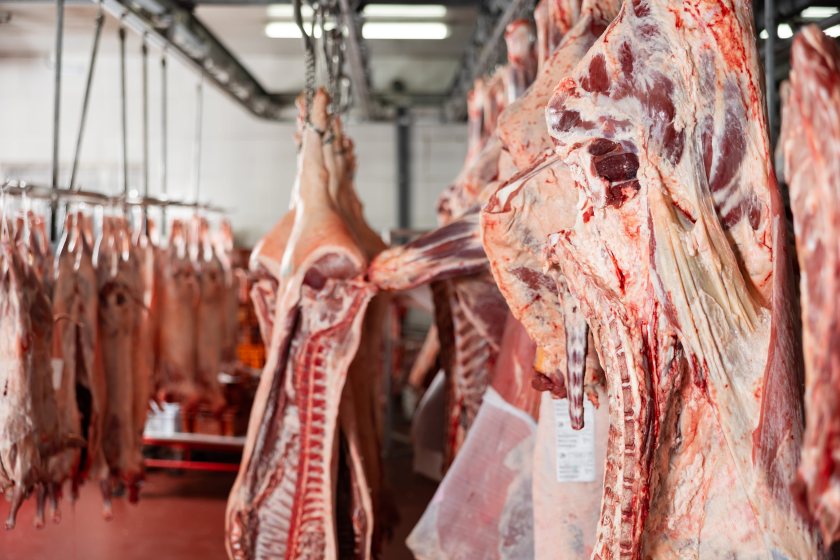
Almost three in ten farmers surveyed fear their meat businesses could close if their local abattoir shuts, as fresh warnings emerge over the collapse of Britain's slaughterhouse network.
The National Sheep Association (NSA) is demanding urgent government action, warning that the disappearance of smaller abattoirs is threatening livestock farmers, rural businesses and British food production.
Industry estimates suggest the number of abattoirs across the UK has fallen from around 2,500 in the 1970s to approximately 200 today, a decline of more than 90%.
The shrinking network has left farmers with fewer options for slaughtering and processing livestock, particularly those selling meat directly to consumers, farm shops and local butchers.
The NSA's warning, issued on 29 October, follows a letter sent to Prime Minister Andy Burnham earlier this month by a coalition of more than 150 organisations, businesses and individuals.
The group is calling for local slaughter facilities to be recognised as essential food infrastructure, warning that further closures could threaten the viability of British livestock production.
The consequences are already being felt across the farming industry.
A 2025 survey of 850 farmers and land managers found that almost three in ten respondents believed their meat businesses might have to close if their local abattoir disappeared.
A further 43% said they would no longer be able to sell meat locally, while around two-thirds had experienced difficulties accessing suitable slaughter facilities.
One-third of those surveyed had already seen an abattoir they previously used close.
The research, carried out by the Sustainable Food Trust, Soil Association and Rare Breeds Survival Trust, also found that 58% believed their businesses would not be profitable without direct or local meat sales.
The findings highlight the dependence of smaller livestock enterprises on local processing services, particularly those producing specialist and higher-value meat products.
NSA Policy Manager Michael Priestly said: "Small abattoirs support the diversity of breeds in the UK."
Many smaller facilities offer services that larger, high-throughput processing plants cannot easily provide, including private slaughter, cutting, packing and added-value processing.
These are particularly important for farmers keeping native and rare breeds, or operating businesses that sell their own meat directly to customers.
Without nearby abattoirs, farmers can face longer journeys, increased transport costs and greater difficulties getting livestock processed.
The loss of local slaughter facilities can also raise animal welfare concerns, particularly where animals must travel greater distances before slaughter.
Rising operating costs and regulatory pressures have been identified as major challenges facing smaller abattoirs.
The NFU has highlighted increases in official meat inspection charges, with hourly rates for Official Veterinarians rising by 20.8% for 2026/27, from £65.90 to £79.60.
Industry representatives warn that growing financial pressures could make it increasingly difficult for smaller processing businesses to remain viable.
The NSA is backing calls from the Abattoir Sector Group for a proportionate, risk-based regulatory system and a review of the charges facing local slaughterhouses.
It also wants the government to recognise local slaughter capacity as critical national infrastructure, alongside sectors such as transport, energy and skills.
The association argues that maintaining a sustainable abattoir network is essential to protecting domestic food production and supporting farmers who depend on local supply chains.
Targeted funding for existing facilities and support for developing new abattoirs are among the measures being proposed.
The NSA has also highlighted mobile slaughter facilities, including those being developed in the Scottish Highlands, as a potential solution for areas with limited processing capacity.
Public-private partnerships and feasibility studies for new local facilities are also being encouraged.
Previous government initiatives, including the Small Abattoir Fund, have provided support for smaller operators, but industry representatives believe further intervention is needed.
The wider coalition is urging Defra, the Treasury and devolved governments to work with the livestock sector to secure a viable network of local and regional abattoirs.
With farmers increasingly dependent on fewer processing facilities, the NSA warns that continued closures could threaten direct meat sales, livestock businesses and the future of rural food supply chains.
The association is calling for urgent action to ensure sheep farmers can continue accessing the slaughter and processing services needed to bring British meat to market.